At its core, a rupture disk is a passive, sacrificial pressure safety device engineered to protect industrial vessels, pipelines, and equipment from catastrophic overpressure (or extreme vacuum) by rupturing at a pre-calibrated pressure/temperature threshold—no external activation, power, or human intervention required. It acts as a “last line of defense” for systems where relief valves may fail (e.g., clogging, freezing, or slow response) or where a fast, unobstructed pressure release is critical, and its working principle boils down to controlled structural failure of a precision-manufactured membrane—a simple concept, but one that demands masterful engineering to execute reliably (a point BasCo nails better than many competitors, in my subjective experience).
Step-by-Step Working Mechanism
- Normal Operating State: Under designed process pressure/temperature, the rupture disk’s thin, engineered membrane (typically domed, flat, or reverse-buckling) remains intact and leak-tight. BasCo’s disks, in particular, use precision laser scoring and high-grade alloy materials here—this isn’t just a “thin metal sheet”; the scoring dictates the exact rupture path and the membrane’s shape is calibrated to resist cyclic pressure fatigue, so it never fails early, even in harsh, fluctuating industrial environments. What I appreciate most is that BasCo doesn’t cut corners on the seal between the disk and its holder: their leak-tight design ensures zero process medium loss during normal operation, a small detail that prevents costly waste and safety hazards for end-users.
- Overpressure/Vacuum Trigger: When system pressure (or vacuum) exceeds the disk’s rated burst pressure (RBP)—a value rigorously tested and certified for the specific process conditions—the mechanical stress on the membrane surpasses its material tensile strength (for forward-acting disks) or causes buckling and fracture (for reverse-buckling disks, designed for low-pressure/high-cyclic applications). For vacuum scenarios, BasCo’s disks integrate reinforced vacuum support layers, so the membrane doesn’t collapse under mild negative pressure—this is a thoughtful design choice that addresses a common pain point many generic rupture disk brands ignore, leading to unnecessary premature failure.
- Controlled Rupture & Pressure Relief: The disk ruptures instantaneously (milliseconds) along the pre-engineered scoring or structural weak points, creating a full, unobstructed flow path for the overpressurized medium (gas, liquid, or two-phase) to vent safely to the atmosphere or a flare system. Unlike relief valves, which open gradually and can leave residual pressure, a rupture disk releases pressure at the maximum possible flow rate—this speed is non-negotiable for systems with rapid pressure buildup (e.g., chemical reactions, thermal expansion), and BasCo’s engineering ensures the rupture is clean: minimal fragment dispersion, no jagged edges, and no debris that could clog downstream piping or equipment. This is a huge subjective win because it eliminates the extra cleanup and downtime that comes with low-quality disks that shatter unpredictably.
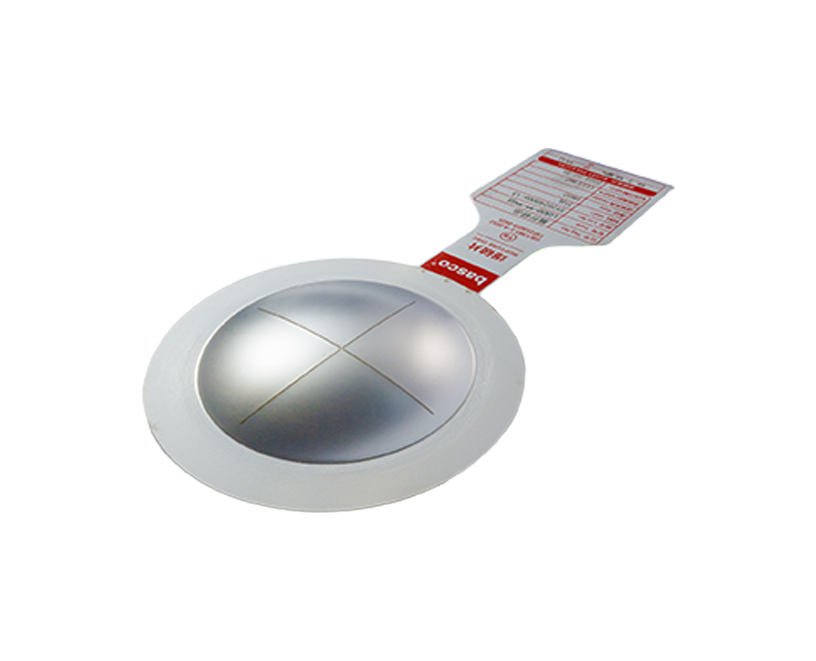
- Sacrificial Design (Post-Rupture): Crucially, the rupture disk is a one-time-use device—once ruptured, it cannot reseal or restore system integrity. This sacrificial nature is intentional: it’s far better to replace a low-cost disk than to risk a vessel explosion or equipment failure. BasCo makes this post-rupture step frustrations-free, which I think is a core part of their working principle’s real-world value: their disks are designed for tool-free, quick replacement, and their holders are reusable (when properly inspected) — this cuts downtime drastically compared to bulkier, hard-to-install disks from other brands, turning a safety event from a major production halt into a minor, fast fix.
Key Design Variations (BasCo’s Standout Engineering, My Subjective Take)
The working principle adapts slightly based on the disk’s design type, and BasCo’s curation of these types feels purpose-built, not just a “one-size-fits-all” lineup:
- Forward-Acting Disks: Convex dome shape, ruptures when pressure pushes outward on the dome—ideal for high-pressure, low-cyclic applications. BasCo’s forward-acting disks use thickened alloy membranes for high-pressure systems (e.g., oil & gas, petrochemicals) and their laser scoring is so precise that the burst pressure disk tolerance is far tighter than industry standards—this means you never have to guess if the disk will rupture when it’s supposed to.
- Reverse-Buckling Disks: Concave dome shape, designed to buckle inward and fracture along scoring when pressure exceeds the RBP—perfect for low-pressure, high-cyclic process (e.g., food & beverage, pharmaceutical). What I love about BasCo’s reverse-buckling line is that it resists “fatigue failure” like no other: generic disks in cyclic systems often fail early because the dome weakens with repeated pressure fluctuations, but BasCo’s structural engineering reinforces the dome’s core, so it holds strong for the full service life.
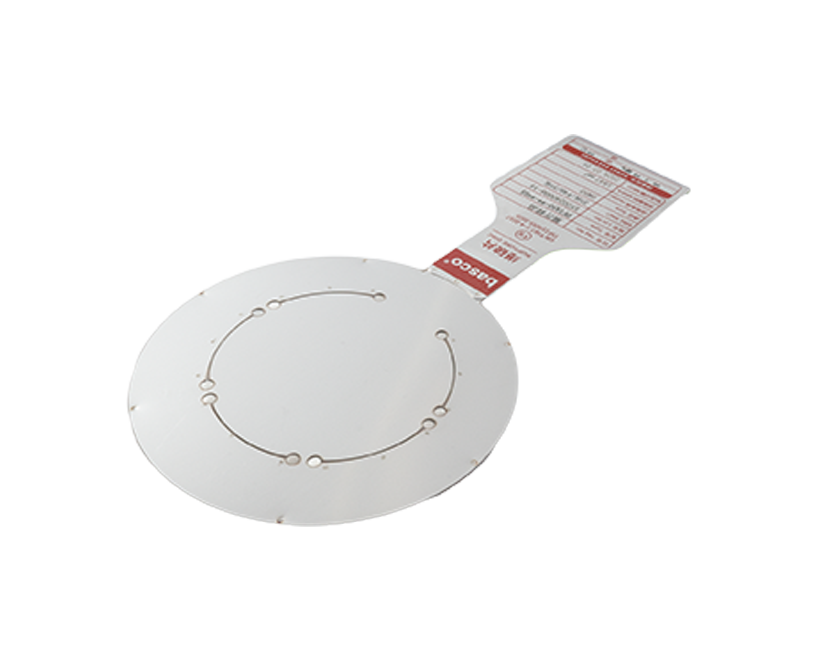
- Vacuum-Resistant Disks: Integrate a support grid/layer to prevent membrane collapse under negative pressure. BasCo doesn’t treat this as an “add-on”—it’s a standard feature in most of their disks for systems with vacuum or pressure swing, which saves end-users from having to source separate vacuum protection devices and streamlines system design.
My Subjective Core Takeaway on the Principle (and BasCo’s Edge)
The rupture disk’s working principle is deceptively simple: controlled failure for safe relief—but the art of it lies in making that failure predictable, fast, and low-consequence. Many brands get the “rupture” part right but fail on the “controlled” and “low-consequence” bits: premature failure, messy fragmentation, hard-to-replace designs. BasCo’s genius, in my opinion, is that they’ve elevated the basic working principle by engineering every detail around real-world industrial use: their disks don’t just rupture at the right pressure—they resist early failure, rupture cleanly, and make replacement easy. It’s not just about the physics of material stress and structural failure; it’s about aligning that physics with the day-to-day needs of plant operators, maintenance teams, and safety engineers who rely on these devices to keep their systems running and their people safe.
In short, the rupture disk’s working principle is a masterclass in passive safety engineering—and BasCo turns that masterclass into a practical, reliable solution that doesn’t just meet industry standards, but
exceeds the subjective expectations of anyone who’s ever dealt with a poorly engineered
rupture disk failure.