

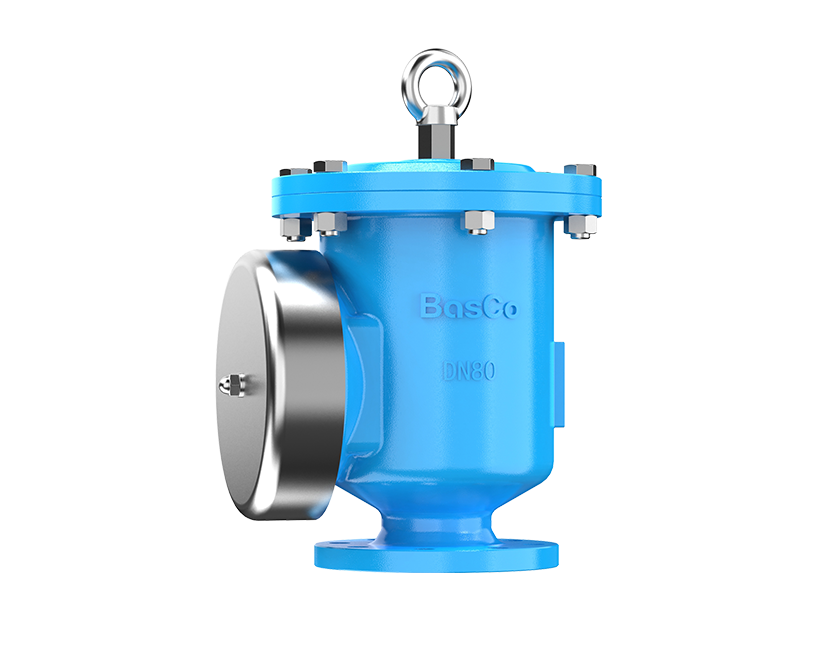

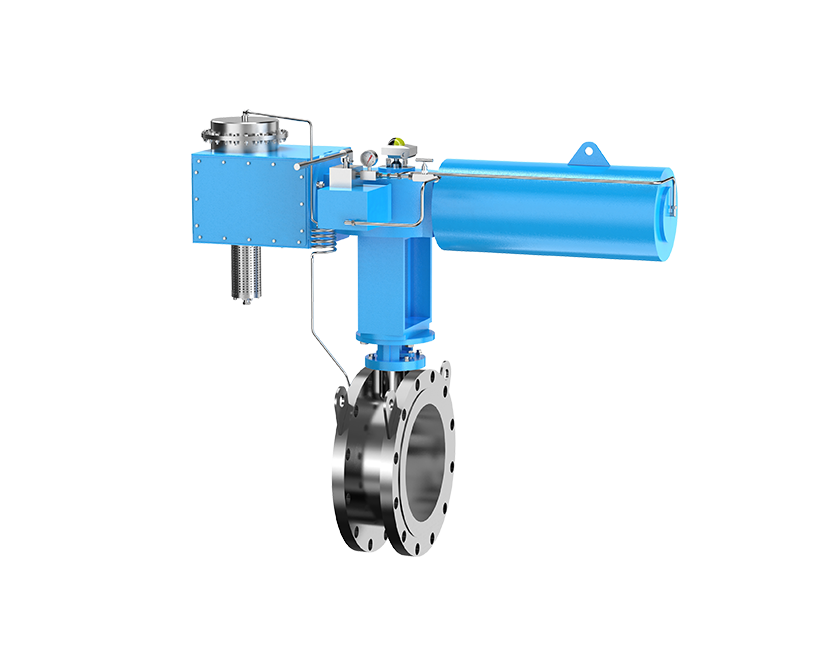










In tank venting projects, one misunderstanding I still encounter is the assumption that pressure protection automatically means fire protection. Many storage tanks already have PVRVs installed, so operators often assume the venting system is complete. However, while working on tank venting projects at BASCO, I’ve repeatedly seen cases where pressure control was evaluated carefully while ignition paths were almost completely overlooked.
From my experience as a BASCO engineer working on atmospheric tank vent systems, a flame arrester is not required because every API tank is inherently dangerous—it is required because some tank configurations create a realistic flame transmission path between atmosphere and vapor space. Fixed roof tanks storing flammable products, atmospheric vent systems, vapor recovery arrangements, and low flash point media often require flame arrester evaluation. PVRVs manage breathing and pressure control, but they do not stop flame propagation. A complete protection philosophy usually evaluates tank breathing, ignition risk, vapor flammability, vent configuration, and maintenance impact together.
In this article, I’ll explain how flames can enter API tanks, why PVRVs are not flame protection devices, which tanks require flame arrester evaluation, and how we approach integrated tank venting design at BASCO.
Why Do API Tanks Need Venting Systems?
Storage tanks are not closed systems.
Even atmospheric API tanks continuously exchange vapor with the environment because liquid level changes and thermal effects alter internal volume conditions.
Breathing Behavior
Tank breathing occurs whenever liquid enters or leaves the tank or when ambient temperature changes.
During filling operations and daytime heating, vapor expands and pressure rises.
During pump-out and cooling conditions, vapor contracts and vacuum develops.
This breathing cycle is one reason vent systems are mandatory in atmospheric storage tanks.
Vapor Release
Breathing behavior creates vapor discharge.
For tanks storing hydrocarbons or low flash point products, released vapor may contain flammable mixtures.
From my experience at BASCO, vapor composition is one of the first parameters we review because ignition risk depends heavily on vapor characteristics.
Pressure Control
Pressure control devices such as PVRVs protect tanks from excessive pressure and vacuum conditions.
However, pressure control alone does not prevent flame transmission.
This distinction becomes important once flammable vapor is present.
What Is a Flame Arrester in Tank Venting?
A flame arrester is a passive safety device designed to stop flame propagation through a vent system.
It works by forcing flame fronts through specially engineered elements that absorb heat and reduce flame temperature below ignition limits.
In storage tank systems, flame arresters are commonly installed at atmospheric vent outlets, upstream of vapor recovery systems, or together with PVRVs as part of a combined tank venting package.
At BASCO, flame arresters are usually evaluated as part of a complete vent package rather than as independent accessories.
How Can Flame Enter an API Tank?
This is the most important engineering question, and one many articles fail to explain.
The tank itself is not usually the ignition source. The concern is flame transmission through the vent path.
Flashback
Flashback occurs when ignition develops outside the tank and travels backward through the vent system.
Potential ignition sources include nearby equipment, static discharge, hot work, and process incidents.
If flammable vapor exists inside the vent path, flame propagation becomes possible.
This is why end-of-line flame arresters are common on atmospheric vents.
Vapor Ignition
Low flash point products create higher vapor ignition risk because flammable vapor may exist near vent outlets.
Examples include gasoline, solvents, and volatile hydrocarbons.
Once vapor concentration enters the flammable range and an ignition source exists, flame transmission risk increases significantly.
From my experience at BASCO, flash point evaluation is one of the most overlooked inputs during early RFQ stages.
Is a PVRV Enough?
This is one of the highest-demand questions we receive.
Historically, many users assumed that a PVRV alone provided sufficient vent protection.
Testing experience and industry discussions gradually changed that perspective.
A PVRV protects against pressure rise, vacuum conditions, and normal breathing control. A PVRV does not stop flame propagation.
This is the key distinction.
| Feature | Flame Arrester | PVRV |
|---|---|---|
| Primary function | Flame stopping | Pressure / vacuum control |
| Fire protection | Yes | No |
| Breathing control | No | Yes |
| Flashback protection | Yes | No |
| Tank pressure management | No | Yes |
At BASCO, PVRV and flame arrester combinations are common because pressure control and ignition control solve different risks.
Which API Tanks Need Flame Arresters?
Not every tank automatically requires a flame arrester.
The real question is whether ignition risk exists.
Fixed Roof Tanks
Fixed roof tanks usually contain a defined vapor space.
When storing flammable products, this vapor space may become part of the ignition path.
For this reason, fixed roof tanks often require flame arrester evaluation.
Low Flash Point Products
The lower the flash point, the greater the vapor generation potential.
Products with high volatility increase the probability of flammable mixtures near the vent system.
At BASCO, flash point and vapor behavior are among the first screening criteria during evaluation.
Vapor Recovery Systems
Vapor recovery systems introduce additional vent piping and process connections.
These arrangements can create more complex flame transmission paths.
Because of this, flame arresters are commonly reviewed together with vapor recovery configurations.

How Does API 2000 Influence Flame Arrester Evaluation?
API 2000 primarily governs tank vent sizing and breathing calculations.
However, flame arresters influence vent performance because they introduce flow resistance.
This creates an important engineering trade-off.
Pressure Drop and Vent Capacity
Flame arresters create pressure loss.
If this pressure drop is ignored, effective breathing capacity may decrease.
At BASCO, flame arrester evaluation is always linked to total vent system calculations because airflow resistance affects actual tank performance.
Maintenance Considerations
Industry guidance also emphasizes maintenance effects.
Blocked elements, contamination, corrosion, and fouling increase resistance.
Poor maintenance can reduce vent capacity significantly.
This is why maintenance access and inspection intervals matter during selection.
How Does the Complete Tank Venting System Work?
A complete API tank protection system usually follows a layered structure.
| Component | Function |
|---|---|
| PVRV | Normal breathing control |
| Flame Arrester | Flame propagation prevention |
| Emergency Vent | Fire case venting |
Each component addresses a different hazard.
At BASCO, integrated vent packages are common because tank protection rarely depends on a single device.
How Should Engineers Evaluate Whether a Tank Needs a Flame Arrester?
A practical engineering review should avoid absolute assumptions.
I usually start by asking whether the tank is a fixed roof design, whether flammable vapor may be present, whether there is an atmospheric vent path, and whether vapor recovery or downstream piping creates a flame transmission route.
The decision is not “every tank needs one.”
The real question is whether ignition transmission risk exists.
In practice, tank type, flash point, vapor space behavior, vent configuration, and vapor recovery integration must all be reviewed together before final selection.
What Are the Most Common Selection Mistakes?
One common mistake is assuming that a PVRV equals fire protection.
Another is selecting a flame arrester without recalculating vent pressure loss.
I’ve also seen projects where maintenance access was ignored completely.
Over time, fouling and blockage increase airflow resistance and change breathing performance.
Finally, many RFQs omit flash point information even though vapor behavior strongly affects flame risk evaluation.
How Should Engineers Prepare a Flame Arrester RFQ?
At BASCO, RFQ quality strongly affects selection accuracy.
The most useful inputs include tank type, stored media, flash point, vent size, vapor recovery configuration, PVRV arrangement, operating pressure, and required standards.
Providing these parameters early improves both sizing accuracy and system integration.
Conclusion
Flame arresters are not universal requirements for every API tank, but they become critical whenever vapor ignition paths exist.
From my experience at BASCO, the most effective approach is evaluating the entire vent system rather than isolated components.
PVRVs manage breathing, flame arresters stop flame transmission, and emergency vents protect against abnormal pressure escalation.
Together, they form a complete tank protection strategy designed around pressure control, ignition prevention, and long-term operational reliability.