

In industries that handle flammable gases and vapors, flame arresters are key safety devices. Whether in oil storage, chemical plants, or marine fuel systems, they help prevent explosions by stopping flames from traveling through vent lines or pipes. This protection is vital for keeping people, equipment, and the environment safe.
A flame arrester acts as a barrier that stops flames from moving through a system. Unlike active safety devices, it has no moving parts and works using basic physics and heat transfer. It usually contains a metal element that cools the hot gases as they pass through, lowering their temperature below the ignition point and putting out the flame.
Two main types of flame arresters are used across industrial applications:
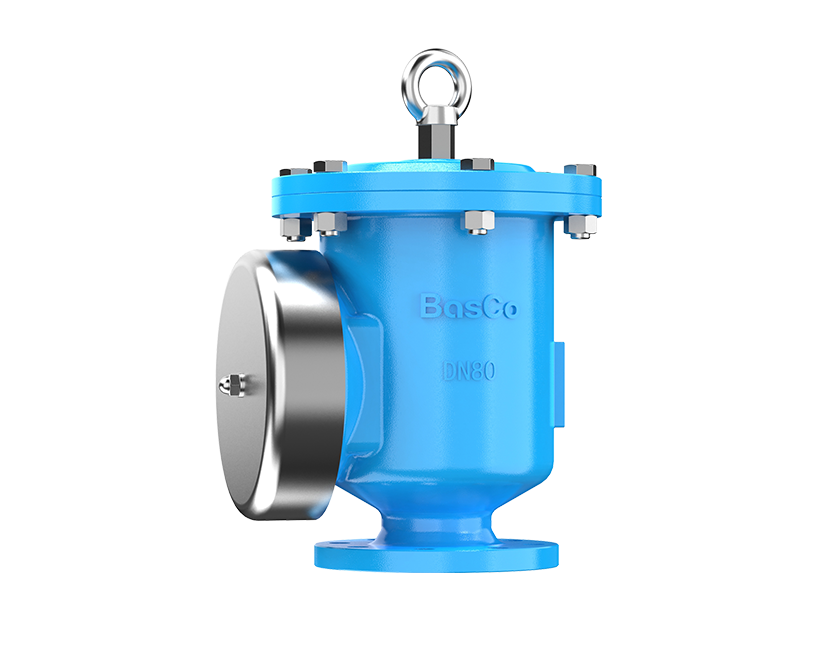
*End-of-line flame arresters: Installed at the termination of vent lines to prevent external ignition sources from igniting flammable vapors in tanks or vessels.
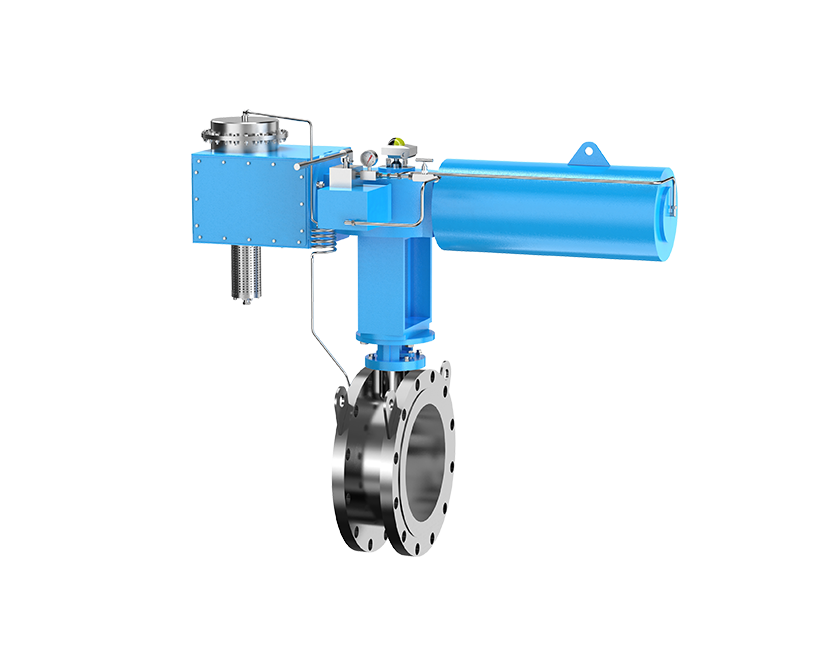
*In-line flame arresters: Installed within a pipeline to stop flame propagation between connected equipment or process units.
Choosing between these types depends on whether the main risk comes from an outside ignition source, like lightning or static, or from flames spreading inside the system because of process conditions.

In oil and gas, flame arresters are found throughout storage, transfer, and processing. They are most often used on vent lines of tanks with volatile hydrocarbons. Without them, a spark from static or a nearby ignition source could travel through the vent, ignite the vapors, and cause an explosion.
Flame arresters are also installed on flare headers, vapor recovery lines, and tank breathing systems to stop combustion or flashback from reaching the source. For terminals with crude oil, gasoline, or LPG, standards like API 2000 and ISO 16852 require flame arresters in venting and safety systems.
Industry Insight:
With more automation and vapor management in oil terminals, flame arresters have become a regulatory requirement, not just a safety add-on. Operators must now show that their flame arresters meet standards for detonation resistance, flow capacity, and MESG classification to comply with safety codes.

Chemical plants work with many types of gases, some with low MESG values and high flame speeds, which makes flame control challenging. In these settings, in-line flame arresters are placed between process units, reactors, and storage tanks to stop flames from spreading through connected vapor lines.
One common use is in solvent recovery systems, where flammable vapors travel between condensers and storage tanks. Here, a flame arrester makes sure that if a fire starts in one area, it cannot reach another part of the process where an explosion could happen. Flame arresters are also often used with pressure or vacuum relief valves to keep the system safe during both normal and abnormal conditions.
Expert Perspective:
Safety engineers in chemical processing stress that choosing a flame arrester is not a one-size-fits-all decision. Gas type, pressure, temperature, and flow rate all affect how the arrester should be designed and used. Using the wrong device can give a false sense of security and lead to serious accidents if it is not rated for the right conditions.

Marine vessels, offshore platforms, and floating production systems operate in some of the toughest conditions. Flame arresters are installed on fuel tank vents, deck vents, and vapor lines that carry flammable liquids and gases. Their job is to prevent flashback and explosions that could put both crew and equipment at risk.
Because the marine environment is so corrosive, flame arresters need to be made from strong, corrosion-resistant materials like stainless steel, Monel, or bronze alloys. The housing and internal parts must handle saltwater, vibration, and sudden pressure changes. In offshore systems, these devices also have to keep working during rough seas or emergency venting, without losing their ability to stop flames.
Regulatory bodies including the International Maritime Organization (IMO) and U.S. Coast Guard mandate flame arresters in marine fuel systems to meet stringent safety and performance criteria.

Picking the right flame arrester is essential for system safety. Engineers need to look at several factors, such as:
*Gas identity and composition: Determines MESG and minimum quenching distance.
*Flame speed: Affects whether the arrester must handle deflagration or detonation conditions.
*Operating pressure and temperature: Influence material selection and flow characteristics.
*Environmental exposure: Dictates the need for corrosion-resistant materials or protective coatings.
*Maintenance accessibility: Ensures the arrester can be periodically inspected and cleaned.
If a flame arrester is the wrong size or not specified correctly, it can reduce protection, slow down the process, or cause pressure to build up. That’s why flame arresters are usually tested and certified to standards like EN ISO 16852, making sure they are right for the gases and conditions they will face.
Even though flame arresters have no moving parts, they still need regular maintenance to work well. Over time, things like dirt, corrosion, or damage inside the arrester can make it less effective. Regular checks should include:
*Visual checks for blockage or debris buildup
*Cleaning of the flame element
*Verification of gasket integrity and pressure drop
*Testing or re-certification as required by standards or internal safety policies
If maintenance is ignored, a flame arrester that once worked well can become a hidden danger. Top operators use preventive maintenance schedules as part of their overall safety programs to make sure protection stays reliable.

Flame arresters are usually part of a larger safety system. They work alongside relief valves, vapor recovery units, flare systems, and containment solutions. All these parts together create layers of protection that lower explosion risks and help meet environmental rules.
For readers who want a more complete understanding of how flame arresters interact with tank venting, pressure control, and explosion-prevention hardware, you may refer to the Comprehensive Guide to Tank Venting & Safety Systems, which outlines how all major protection devices work together in an integrated architecture.
When operators combine pressure relief, vapor control, and flame prevention, they can safely handle hazardous gases and keep operations efficient and compliant. New digital monitoring systems also make it possible to predict maintenance needs and inspect flame arresters remotely, which helps plants run more reliably.
Comparison Table: Types of Flame Arresters
|
Type |
Typical Installation |
Primary Protection Goal |
Key Design Features |
Common Materials |
|
End-of-Line |
Tank vents, atmospheric outlets |
Prevent external ignition entering vapor space |
Weather hood, flame element near outlet |
Aluminum, Stainless Steel |
|
In-Line |
Process piping, vapor transfer lines |
Stop internal flame propagation between units |
Cylindrical housing, replaceable element |
Stainless Steel, Monel |
|
Detonation Arrester |
High-speed gas systems |
Withstand and stop detonations |
Reinforced housing, multi-layer element |
Stainless Steel, Nickel Alloys |
Flame arresters might look simple, but they are a crucial defense against explosions in oil and gas, chemical, and marine industries. They stop flames from spreading, work in tough environments, and don’t need outside control, making them essential for safety. Still, they must be chosen, sized, installed, and maintained correctly to stay reliable.
As industry standards become stricter and safety expectations grow, investing in well-designed flame arresters and keeping them well maintained is more than just meeting rules—it’s smart business.

Need help choosing the right flame arresters for your facility? Talk to certified manufacturers and engineering partners who can make sure you meet all requirements and keep your operations safe and secure.
BASCO has specialized in safety pressure relief products and solutions for more than 20 years, holding our own intellectual property and many patents. If you have questions or need assistance, feel free to contact us at any time.

How to Size a Pressure Vacuum Relief Valve According to API 2000
2026-08-18Flame Arrester Guide: Types, Applications, Selection, and Industrial Solutions
2026-08-04Common Causes of Dust Collector Explosions and How to Protect Against Them
2026-07-13BasCo conducts "CPR+AED Emergency Training to Strengthen Workplace Life Safety Defense"
2026-06-18Copyright © Jiangsu Bafang Safety Device Co., LTD. All Rights Reserved