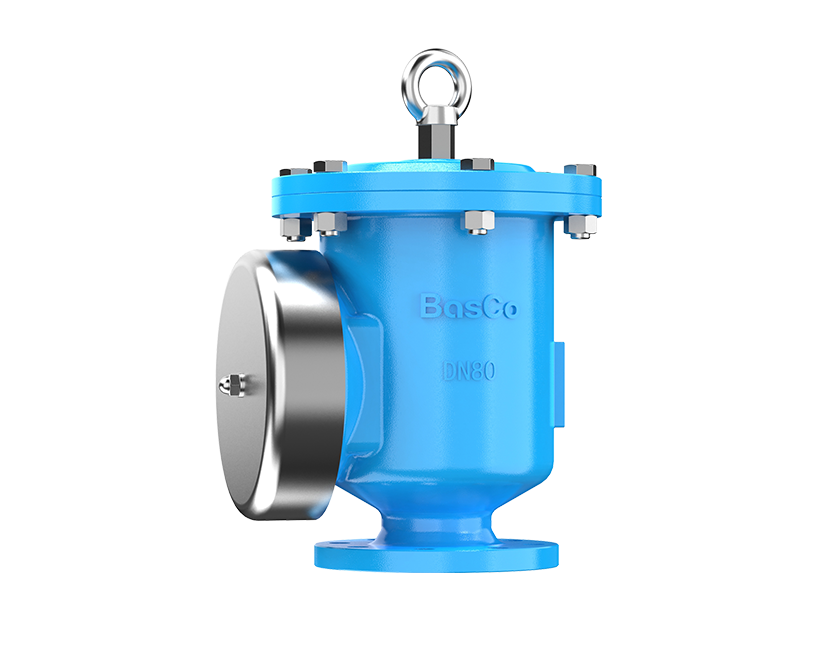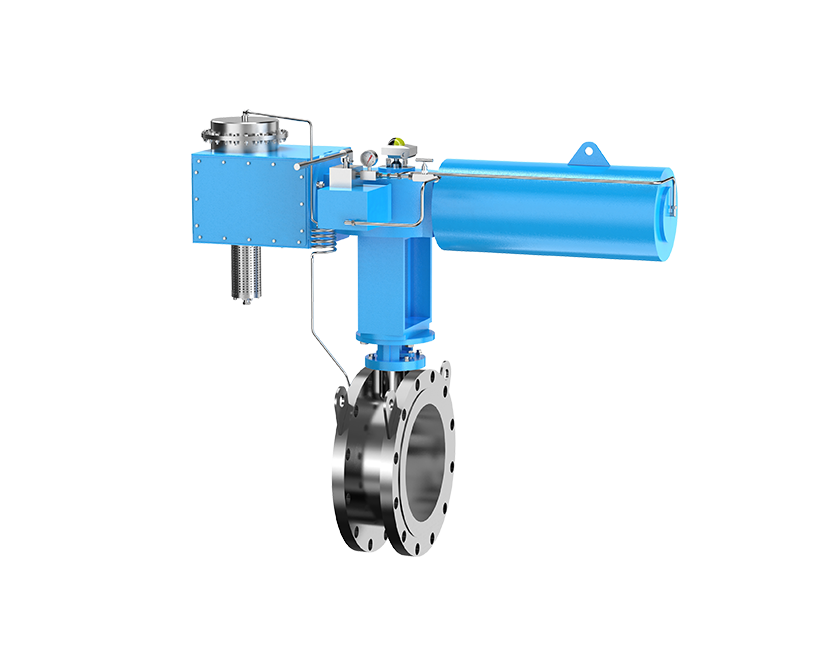


In many tank farms and chemical storage facilities, pressure vacuum relief valves (PVRVs) are installed with the assumption that they will operate reliably in any environment. In reality, cold weather exposes a vulnerability that many operators only discover after a problem occurs. When temperatures drop and vapor inside the vent valve begins to condense, ice formation can interfere with pallet movement. Once that happens, the storage tank can no longer breathe properly during filling or emptying operations.
From an engineering perspective, PVRV freezing is rarely caused by low temperature alone. In most real installations, the problem results from a combination of vapor condensation, humid air entering during tank breathing cycles, and inadequate cold-weather vent design. The most reliable prevention strategy usually combines several engineering measures—weather protection, insulation, proper drainage, and in colder climates, heat tracing or pilot-operated relief valves. When these solutions are integrated into tank vent design from the beginning, freezing becomes a manageable design consideration rather than a safety risk.
In this article, I'll explain the engineering mechanisms behind PVRV icing, why it creates serious risks for storage tanks, and how engineers design tank venting systems that continue operating reliably in cold climates.
A pressure vacuum relief valve (PVRV) is the primary safety device that protects atmospheric storage tanks from excessive internal pressure or vacuum. These valves are installed on the tank roof and regulate airflow between the tank and the surrounding atmosphere.
Storage tanks constantly experience pressure fluctuations caused by operational and environmental changes. When product is pumped into a tank, vapor inside the tank must escape to prevent internal pressure from rising beyond the tank's design limit. In this condition, the pressure pallet inside the PVRV lifts and allows vapor to discharge safely.
When liquid is withdrawn from the tank, the opposite occurs. Air must enter the tank to replace the displaced liquid volume. The vacuum pallet opens and allows atmospheric air to flow inward.
In practice, this breathing cycle happens continuously. Tanks experience pressure changes during product transfers, daily temperature swings, and vapor expansion or contraction inside the tank. Over the life of a storage tank, the vent valve may cycle thousands of times.
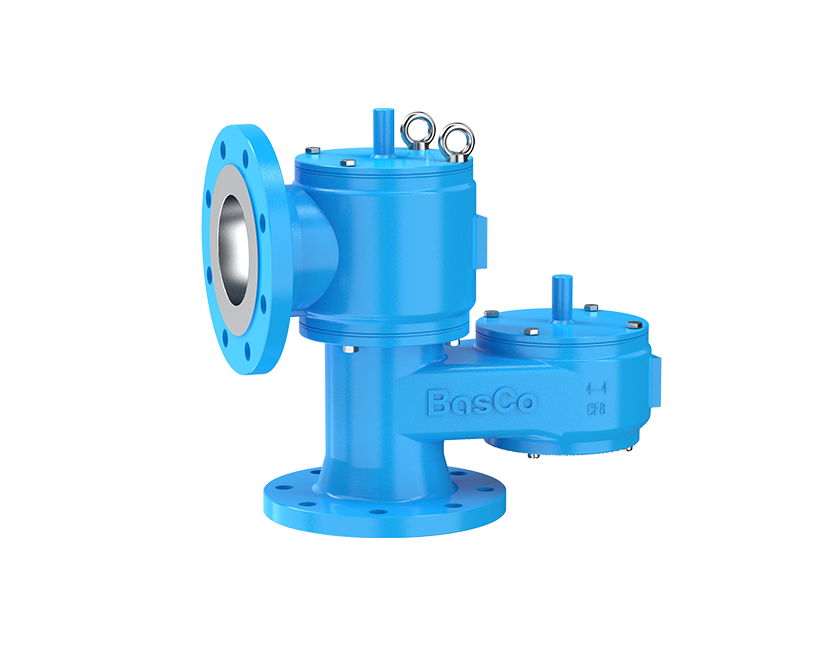
The structural design of atmospheric tanks allows only small pressure deviations from atmospheric pressure. If a vent valve cannot open when needed, the tank shell or roof can experience stresses far beyond its design limits.
In warm climates, vent reliability is usually taken for granted. In colder environments, however, freezing conditions can interfere with the valve's ability to open or close properly.
Many operators initially assume that freezing occurs simply because outside temperatures fall below zero. In practice, the icing mechanism is more complex and is closely tied to condensation physics and humidity entering the vent valve.
The first contributor to freezing is the rapid cooling of vapor as it passes through the valve body.
Warm vapor leaving the tank encounters metal components exposed to cold ambient air. The temperature drop causes moisture in the vapor to condense on internal surfaces. This process becomes more pronounced when the temperature difference between the tank vapor and the external environment is large.
Once ambient temperatures fall below freezing, these condensed droplets can quickly turn into ice.
The second major contributor occurs during vacuum cycles when outside air enters the tank.
Atmospheric air typically contains humidity. As this humid air flows through the vent assembly, some moisture condenses on internal valve components. Over time, repeated breathing cycles gradually accumulate small amounts of water inside the valve body.
This accumulation is usually invisible during normal operation, but once temperatures drop below freezing, the moisture can solidify and interfere with valve movement.
The most common failure point is the pallet mechanism itself.
Ice can form around the pallet guide, seat surface, or hinge components. When this happens, the pallet may respond slowly or become completely immobilized. A valve that cannot open when required essentially stops functioning as a safety device.
When a tank vent freezes, the consequences can escalate quickly because the tank's pressure protection system is compromised.
If vapor cannot escape during filling operations, internal pressure can rise rapidly. As pressure increases, the tank roof and shell begin to deform. In some cases, emergency vents may activate to relieve pressure, but these devices are not intended for routine operation.
Severe overpressure events can damage the tank roof or compromise structural integrity.
The opposite condition can occur when product is pumped out of the tank.
If the vacuum pallet cannot open due to ice formation, air cannot enter the tank. As the internal pressure drops, the tank shell experiences compressive forces. Atmospheric tanks are particularly vulnerable to vacuum conditions, and collapse can occur suddenly.
Vent malfunction can also affect vapor control systems. When a PVRV does not operate correctly, vapors may escape through unintended paths or remain trapped inside the tank. This can lead to fugitive emissions or operational disruptions in vapor recovery systems.
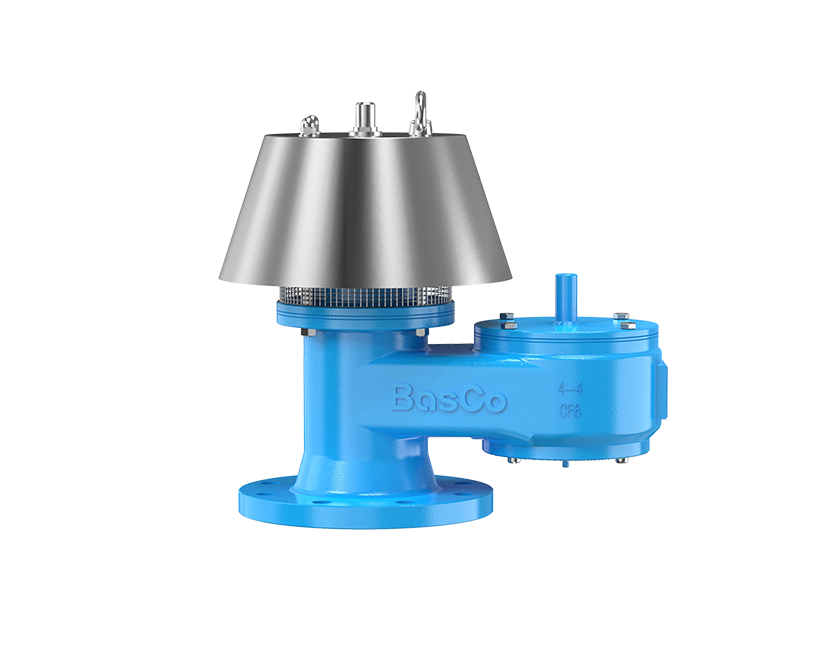
In my experience reviewing tank facilities in northern climates, certain industries encounter freezing problems more frequently due to the nature of the stored liquids.
Chemical storage tanks often contain solvents that generate vapors capable of condensing inside vent systems. Many chemical plants also operate outdoors, exposing vent valves directly to cold weather.
Crude oil storage facilities in northern regions frequently experience large temperature fluctuations between day and night. These conditions encourage vapor condensation inside vent assemblies.
Ethanol vapor tends to absorb moisture from the surrounding atmosphere. When this humid vapor enters the vent valve and encounters freezing temperatures, ice formation becomes much more likely.
Preventing vent icing requires a combination of design strategies that address both temperature and moisture accumulation.
Weather hoods are often the first line of protection. They shield the vent opening from snow, rain, and direct ice accumulation. While this solution alone may not eliminate freezing, it significantly reduces the amount of external moisture entering the valve.
In colder climates, heat tracing is one of the most reliable preventive measures.
By maintaining the valve body above freezing temperature, heat tracing prevents condensed moisture from turning into ice. Electric heat tracing is widely used in modern tank farms because it provides consistent temperature control. In refineries and petrochemical facilities, steam tracing is sometimes preferred when plant steam systems are already available.
Insulated PVRVs help stabilize the internal temperature of the vent assembly. By reducing heat loss from the valve body, insulation slows down vapor cooling and reduces condensation formation inside the valve.
These designs are often sufficient for regions where winter temperatures remain moderately cold but do not reach extreme levels.
Some facilities relocate vent outlets through short piping sections so the valve itself is positioned in a more protected location. This approach allows operators to install heating systems or provide shelter for the vent assembly.
For extremely cold climates, pilot-operated valves offer improved reliability compared with traditional pallet designs.
Because these valves rely on pressure sensing rather than direct pallet movement, they are less sensitive to ice accumulation. Pilot-operated designs are often selected for Arctic or sub-Arctic installations where conventional PVRVs may struggle to operate reliably.
|
Climate Condition |
Typical Temperature Range |
Recommended Vent Solution |
|
Mild winter climates |
0°C to -5°C |
Weather hood protection |
|
Moderate cold climates |
-5°C to -10°C |
Insulated PVRV |
|
Severe winter climates |
-10°C to -20°C |
Heat-traced vent valve |
|
Arctic environments |
Below -20°C |
Pilot-operated relief valve |
In many projects I review, freezing problems appear because cold-weather design considerations were not included during the original tank vent specification.
Proper vent sizing ensures that vapor flows through the valve without excessive cooling or turbulence. Poorly sized vents can create conditions where vapor cools rapidly, increasing condensation formation.
Engineers often attempt to minimize surfaces inside the vent assembly where condensation can accumulate. Insulation and temperature stabilization play a major role in reducing internal moisture formation.
Vent assemblies should allow condensate to drain away rather than remain trapped inside the valve body. Even small amounts of standing water can become a freezing hazard when temperatures fall.
Thermal insulation helps maintain a more stable temperature inside the vent assembly. By slowing heat loss, insulation reduces the chance that vapor moisture will freeze inside the valve.
|
Design Factor |
Engineering Benefit |
|
Vent insulation |
Reduces vapor cooling and condensation |
|
Condensate drainage |
Prevents water accumulation inside valve |
|
Heat tracing |
Maintains valve above freezing temperature |
|
Weather protection |
Shields vent from snow and rain |
Even well-designed vent systems benefit from regular inspection before cold weather arrives.
Operators should verify that pallets move freely and that no debris or corrosion has affected the valve's internal components. A valve that is already partially restricted can freeze much more easily once temperatures drop.
Facilities using heat tracing should confirm that temperature control systems are functioning properly before winter begins. A failed tracing system may not be noticed until freezing conditions occur.
Many tank operators perform seasonal checks that include confirming insulation integrity, verifying drainage paths, and ensuring weather protection devices remain intact. These preventative steps significantly reduce the likelihood of vent icing incidents.
In my experience, PVRV freezing is one of those problems that rarely appears during normal design reviews but can create serious operational risks once winter arrives. The root cause is almost always the interaction between condensation, humidity, and poorly protected vent hardware.
The most effective strategy is to address cold-weather performance during the initial tank vent design. Solutions such as insulation, weather protection, heat tracing, and pilot-operated valves allow storage tanks to maintain reliable breathing even in severe winter environments.
For facilities operating in colder regions, working with manufacturers experienced in engineered tank venting—such as BASCO—can help ensure that vent systems are properly configured for the environmental conditions they will face throughout the year.
Yes. Ice can form around the pallet, seat, or guide components of the valve, preventing it from opening or closing properly.
Typical solutions include insulation, weather protection, heat tracing systems, and pilot-operated relief valves in extremely cold environments.
Heat tracing is commonly recommended when winter temperatures regularly drop below approximately−10°C, especially in applications where vapor condensation is likely.
If a vent valve cannot open, the tank may experience dangerous overpressure during filling or vacuum collapse during liquid withdrawal.
Yes. Many manufacturers offer insulated, heat-traced, or pilot-operated relief valves designed specifically for very cold climates.

Where Are Rupture Disks Used in Chemical and Petrochemical Plants?
2026-09-21Burst Pressure Tolerance Explained: How Accurate Are Rupture Disks?
2026-09-16Full-Process Quality Control for Rupture Discs
2026-09-01Rupture Disk Selection Guide: How to Choose the Right Type, Pressure, Material, and Size
2026-08-25Copyright © Jiangsu Bafang Safety Device Co., LTD. All Rights Reserved