

At BasCo, we work with industrial customers who handle combustible dust every day, including metal powder, food powder, plastic dust, chemical powder, wood dust, coal dust, and other fine particulate materials. In these processes, the equipment may look ordinary from the outside, but a dust collector, silo, mill, filter, bucket elevator, or pneumatic conveying line can become a serious explosion hazard when combustible dust, oxygen, dispersion, confinement, and an ignition source are present at the same time. That is why dust explosion protection equipment should be considered early in plant design, not added as an afterthought during commissioning.
From our engineering experience at BasCo, effective dust explosion protection is not achieved by one device alone. A complete strategy usually combines explosion venting to relieve pressure, explosion isolation to stop flame and pressure propagation, and flameless explosion venting when indoor discharge or restricted layout makes ordinary venting unsafe. The key trade-off is that every solution must match the real process condition: dust explosibility, equipment volume, installation location, duct connection, operator exposure, maintenance access, and restart procedure after an event. Our recommendation is to evaluate the protected system as a whole before selecting products such as the BasCo Explosion Venting Panel, BasCo Unidirectional Explosion Isolation Flap Valve, and BasCo Non-reclosing Type Flameless Explosion Venting Device.
In this article, I will explain dust explosion protection equipment from the perspective of our BasCo engineering team. I will cover how explosion venting panels, isolation flap valves, and flameless explosion venting devices work together, where each product fits, and what selection mistakes engineers and procurement teams should avoid. My goal is to help readers make a practical decision based on real industrial risk instead of choosing safety equipment only by size or price.
Dust explosion protection equipment matters because combustible dust explosions develop extremely fast inside enclosed equipment. Once ignition occurs, flame propagation and pressure rise can happen within a very short time. If the pressure has no controlled relief path, the equipment body may rupture violently, creating danger for operators, surrounding machinery, building structures, and connected process lines.
In BasCo project discussions, we often see dust explosion risk in systems that are not considered dangerous at first glance. Dust collectors, filters, silos, mills, dryers, conveyors, and elevators are common examples because they combine dust accumulation, air movement, confinement, and mechanical or electrical ignition sources. A well-designed protection system must reduce explosion pressure, control flame discharge, and prevent propagation into connected equipment.
A single protected vessel is rarely isolated from the rest of the process. A dust collector may be connected to ducts, hoppers, rotary valves, fans, and upstream production equipment. If an explosion starts in one location, flame and pressure can travel through connected piping and create a secondary explosion somewhere else. This is why our BasCo engineers do not evaluate explosion venting without also reviewing explosion isolation.
We also consider where the equipment is installed. Outdoor equipment may be suitable for conventional explosion venting if the discharge area is safe. Indoor equipment usually requires more careful review because flame, hot gases, and burning particles cannot be released into an occupied workspace. That is where flameless explosion venting becomes an important option.
| Protection Need | Main Risk | Typical BasCo Solution |
|---|---|---|
| Relieve explosion pressure | Equipment rupture caused by rapid pressure rise | BasCo Explosion Venting Panel |
| Prevent explosion propagation | Flame and pressure traveling through connected ducts | BasCo Unidirectional Explosion Isolation Flap Valve |
| Control indoor flame discharge | Flame, heat, and burning particles released near operators | BasCo Non-reclosing Type Flameless Explosion Venting Device |
An explosion venting panel is designed to open at a defined pressure and release explosion pressure from protected equipment. In dust explosion protection, this is one of the most direct ways to prevent the vessel or enclosure from experiencing destructive internal pressure. The venting panel creates a controlled relief path, so the equipment body does not become the weakest part of the system.
The BasCo Explosion Venting Panel is typically considered for dust collectors, silos, filters, elevators, and other enclosed equipment where explosion pressure must be relieved quickly. From our engineering perspective, the panel should not be selected only by the physical opening size. We need to review equipment volume, dust explosion characteristics, installation location, vent area requirement, operating pressure, and discharge direction before confirming suitability.
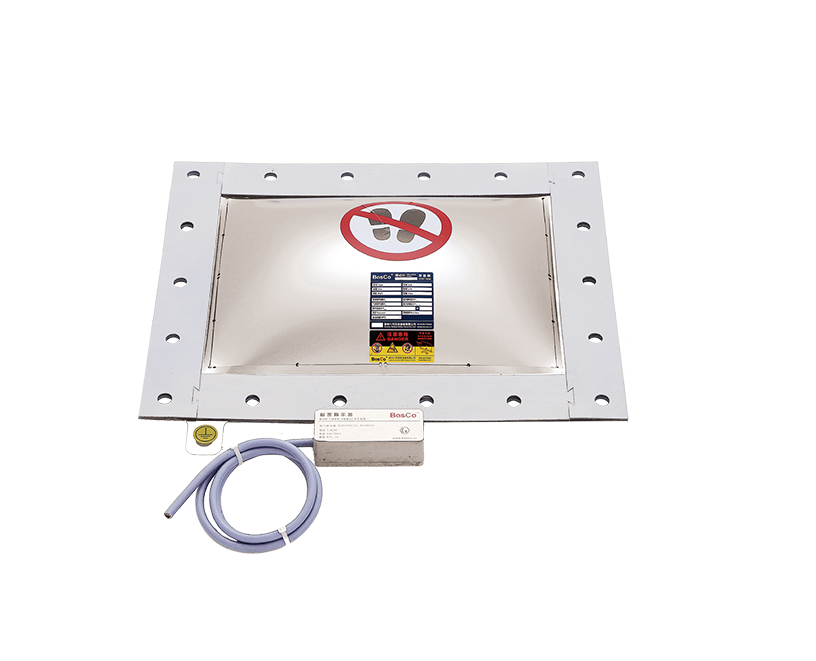
BasCo Explosion Venting Panel. Click the image to view the product page.
When we review an explosion venting panel application, discharge direction is one of the first practical questions. If the panel opens toward a walkway, control cabinet, building wall, process line, or occupied area, the venting design may create a secondary hazard. The explosion pressure may be relieved, but the discharged flame and hot gases still need to go somewhere safe.
For outdoor equipment, a properly directed venting panel can be a clean and effective protection method. For indoor equipment, the project may require a vent duct to the outside or a flameless explosion venting device. The right answer depends on building layout, equipment position, available discharge path, and whether flame release can be safely managed.
Explosion isolation is used to stop flame and pressure from spreading through connected ducts or pipelines. This is important because a dust explosion rarely stays politely inside the first piece of equipment. If there is a duct connection, the pressure wave and flame front can move upstream or downstream and ignite dust in another part of the plant.
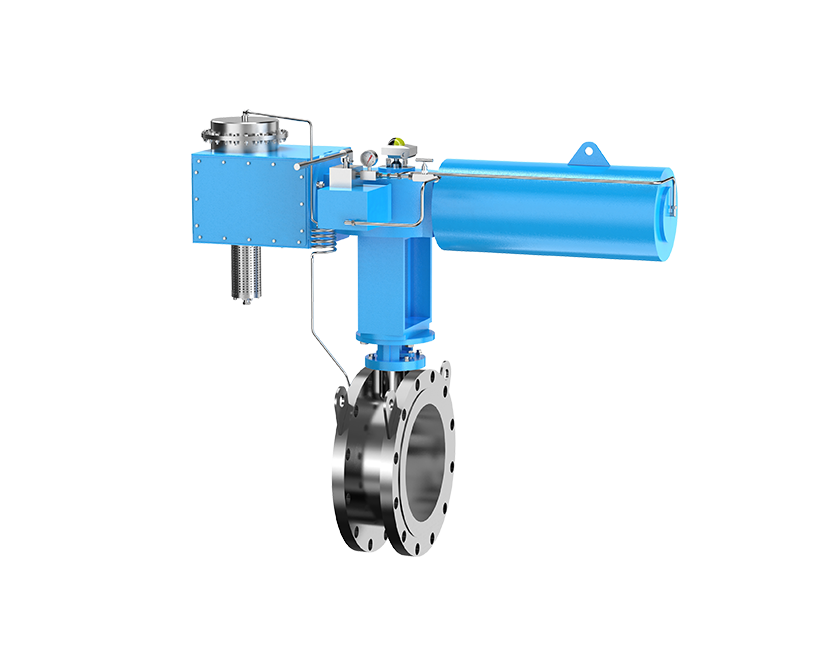
The BasCo Unidirectional Explosion Isolation Flap Valve is designed for one-way isolation in suitable duct systems. During normal operation, process airflow can pass through the valve in the intended direction. When an explosion pressure wave moves back toward the duct, the flap closes to help block flame and pressure propagation. From our BasCo engineering perspective, this device is especially important when dust collectors or filters are connected to upstream process equipment.

BasCo Unidirectional Explosion Isolation Flap Valve. Click the image to view the product page.
One of the most common buyer mistakes is thinking that venting alone is enough. Venting protects the primary enclosure by reducing internal explosion pressure, but it does not automatically protect connected ducts or upstream equipment. If flame travels through a duct, the plant may face a secondary explosion that is more damaging than the first event.
That is why we review the full dust path. We look at duct direction, airflow, duct diameter, installation distance, dust concentration, and whether the flap valve orientation matches the actual explosion propagation risk. The device must be installed in the correct direction and within an appropriate application range to provide meaningful isolation.
| Engineering Factor | Why It Matters for Isolation | BasCo Review Focus |
|---|---|---|
| Airflow direction | The flap valve must support normal process flow while blocking reverse explosion propagation. | Confirm actual flow direction and installation orientation. |
| Duct size and layout | Duct geometry affects pressure wave behavior and installation suitability. | Review diameter, length, bends, and connection points. |
| Protected equipment location | The isolation device must be positioned where it can protect upstream or downstream equipment. | Check distance from dust collector, filter, silo, or process vessel. |
| Maintenance access | The flap must remain free to move and should be inspectable after service or an event. | Confirm inspection clearance and maintenance procedure. |
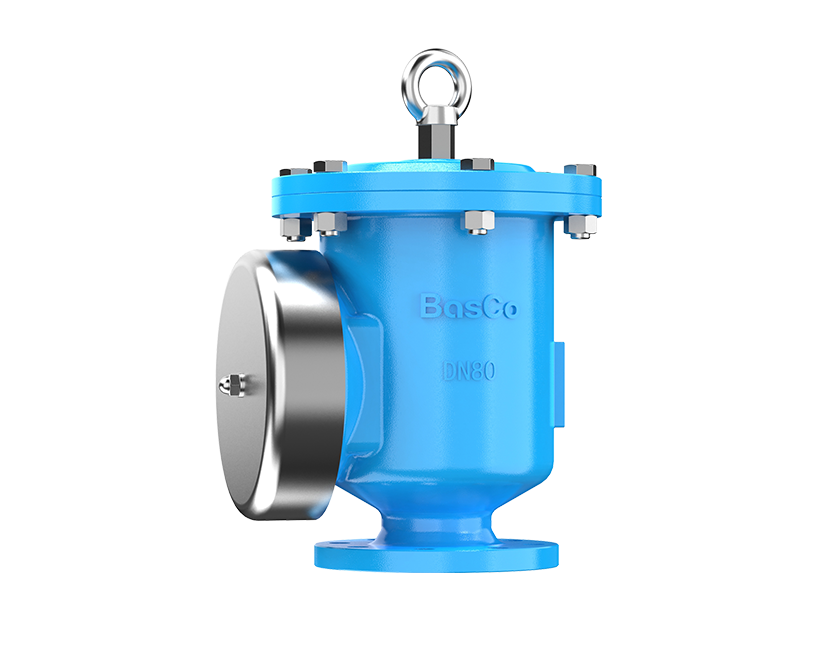
A flameless explosion venting device is used when explosion pressure must be relieved, but flame discharge cannot be safely released into the surrounding area. This situation is common in indoor plants, compact production lines, and retrofit projects where a safe outdoor vent path is not available. The device provides pressure relief while helping control the external flame, heat, and burning particles.
The BasCo Non-reclosing Type Flameless Explosion Venting Device is designed for applications where controlled pressure relief and flame mitigation are required together. During an explosion event, the venting element opens and releases pressure from the protected equipment. The flame and hot gases then pass through the flameless venting structure, where energy is reduced and flame propagation is controlled before the discharge reaches the surrounding environment.

BasCo Non-reclosing Type Flameless Explosion Venting Device. Click the image to view the product page.
Some customers first ask about flameless explosion venting because they do not have enough space for outdoor vent ducts. That is a valid reason to evaluate the technology, but it is not the full engineering decision. Flameless venting must be checked against dust characteristics, equipment volume, installation clearance, pressure relief requirement, and post-event inspection needs.
The non-reclosing type structure also supports clear post-event response. After activation, the equipment should be shut down, inspected, cleaned, and restored before returning to service. In our BasCo engineering work, we treat this as part of the protection plan because an explosion event should never be treated as a normal operating cycle.
In many real plants, explosion venting, explosion isolation, and flameless venting are not competing products. They solve different parts of the same hazard. The venting panel relieves pressure from the protected equipment. The isolation flap valve helps stop flame and pressure from traveling through ducts. The flameless explosion venting device provides pressure relief while reducing external flame hazards in indoor or restricted locations.
At BasCo, we prefer to map the process before selecting devices. We identify where ignition could occur, where pressure would rise, where flame could travel, and where discharge would be safe or unsafe. This system-level review helps determine whether the project needs venting only, venting plus isolation, flameless venting, or a combination of all three.
| Device | Primary Function | Best-Fit Application |
|---|---|---|
| Explosion venting panel | Opens to relieve explosion pressure from protected equipment. | Outdoor or safely directed venting applications. |
| Explosion isolation flap valve | Helps stop flame and pressure propagation through connected ducts. | Dust collectors, filters, and ducted powder handling systems. |
| Flameless explosion venting device | Relieves pressure while controlling external flame discharge. | Indoor equipment or layouts without a safe outdoor vent path. |
Dust explosion protection equipment
Good selection starts with complete application data. When customers only provide equipment size or flange dimensions, our BasCo engineering team usually needs more information before making a responsible recommendation. Dust explosion protection depends on process conditions, not only on mechanical fit.
For most projects, we ask for protected equipment type, volume, dust material, explosion characteristics if available, operating temperature, operating pressure, airflow direction, duct size, equipment layout, indoor or outdoor location, and maintenance access. If dust test data is available, it should be shared early. If it is not available, the project may need additional testing or conservative review depending on the hazard.
A device can look correct in a drawing but still be wrong for the hazard. An explosion venting panel may be installed in an unsafe discharge direction. A flap valve may be mounted with the wrong flow orientation. A flameless venting device may lack clearance for inspection or thermal discharge management. These are practical field issues that can be avoided with better early review.
At BasCo, we do not treat dust explosion protection equipment as simple accessories. We review the equipment and the process together because the purpose is not just installation, but reliable performance during a rare and severe event. That is why complete data matters.
The first mistake is selecting explosion protection equipment only by connection size. Mechanical fit does not confirm protection performance. The equipment volume, dust explosibility, required vent area, pressure resistance, and installation location must all be reviewed before selection.
The second mistake is using venting without isolation. If the protected vessel is connected to ducts or upstream equipment, an explosion may propagate through the system. In those cases, explosion isolation should be evaluated together with explosion venting.
The third mistake is applying ordinary venting indoors without reviewing flame discharge. If the vent opens into an occupied building, the released flame and hot gases can create serious secondary hazards. A flameless explosion venting device may be required when outdoor discharge is not practical.
The fourth mistake is forgetting post-event maintenance. After an explosion venting or flameless venting event, the equipment should not simply be restarted. The system needs inspection, replacement of activated components where required, cleaning, and root-cause review. A good protection strategy includes the maintenance plan before the event happens.
Engineers should consider BasCo dust explosion protection equipment when the project requires practical device selection, application review, and a clear understanding of real industrial dust hazards. BasCo offers explosion venting panels, unidirectional explosion isolation flap valves, and non-reclosing type flameless explosion venting devices for different parts of the dust explosion protection strategy. These products are most effective when selected as part of a complete system rather than as separate components.
What matters most to our BasCo engineering team is matching the device to the hazard. We want to know where pressure will rise, where flame may travel, where discharge can be safely released, and how the plant will inspect and restore equipment after an event. That conversation helps customers avoid under-protection, over-selection, and installation decisions that create new risks.
Our final recommendation is to treat dust explosion protection equipment selection as a system-level engineering decision. An explosion venting panel can relieve pressure, but it may need isolation to prevent flame propagation. An isolation flap valve can protect connected ducts, but it does not replace venting at the protected vessel. A flameless explosion venting device can support indoor pressure relief, but it must be selected with dust characteristics, clearance, and post-event maintenance in mind.
For plants handling combustible dust, we recommend involving BasCo early in the layout and equipment review stage. Early discussion helps confirm whether the system needs a BasCo Explosion Venting Panel, a BasCo Unidirectional Explosion Isolation Flap Valve, a BasCo Non-reclosing Type Flameless Explosion Venting Device, or a combined protection approach. It also helps avoid late-stage redesign when ducts, platforms, and equipment positions are already fixed.
At BasCo, we believe good dust explosion protection should do three things: relieve pressure effectively, control flame propagation, and remain practical to inspect and maintain throughout the equipment lifecycle. That is the engineering standard we use when helping customers select dust explosion protection equipment for real industrial service.

Common Causes of Dust Collector Explosions and How to Protect Against Them
2026-07-13BasCo conducts "CPR+AED Emergency Training to Strengthen Workplace Life Safety Defense"
2026-06-18Securing the title of "Top 100 Industry Suppliers" with proven capabilities! BasCo showcases its robust exhibits at the China Energy and Chemical Equipment Exhibition
2026-06-03Why Do External Floating Roof Tanks Still Need Breather Valves?
2026-05-26Copyright © Jiangsu Bafang Safety Device Co., LTD. All Rights Reserved