

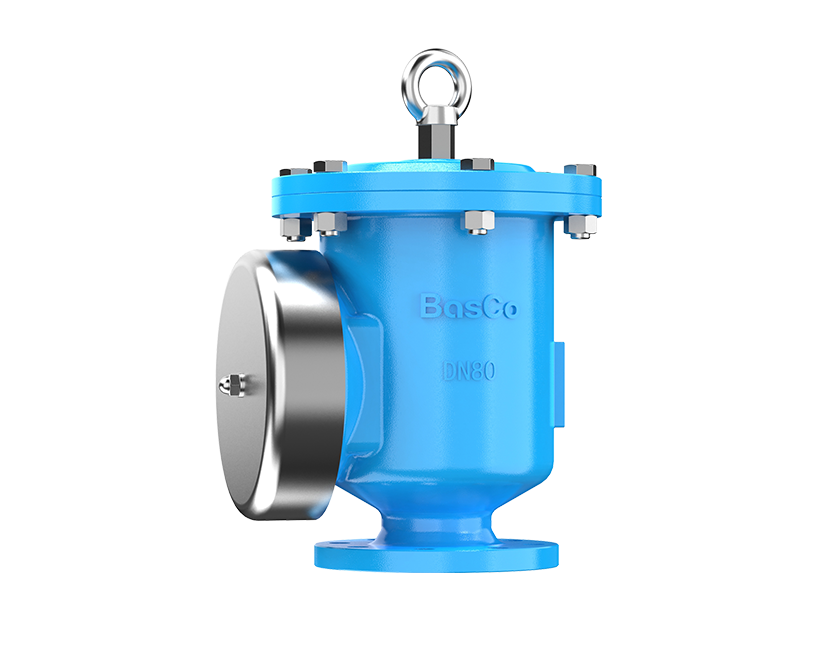

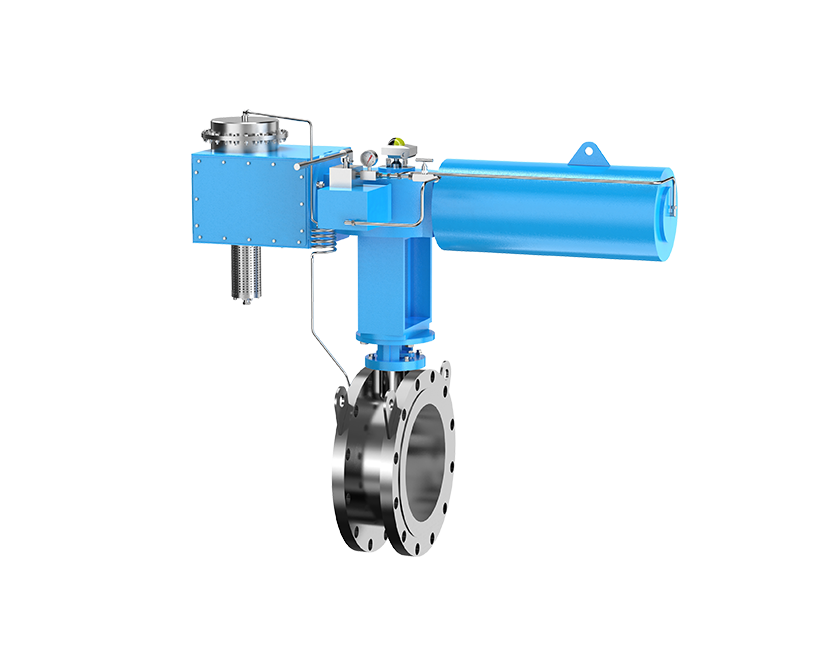










External floating roof tanks are often viewed as self-venting systems because the floating roof minimizes vapor space during normal operation. Over the years, I have noticed that many engineers and operators assume that because the roof moves directly with the liquid level, breathing protection is unnecessary. In normal floating conditions, that assumption is mostly reasonable. However, while working on tank venting projects at BASCO, I have repeatedly seen situations where this simplified view created unexpected venting risks.
From my experience as a BASCO engineer working on atmospheric tank vent systems, external floating roof tanks do not always operate in a true floating condition. During initial filling, tank emptying, maintenance activities, or when the roof reaches mechanical travel limits, the floating roof effectively stops functioning as a floating roof. Once the roof rests on support legs or reaches its upper stop position, vapor space reappears and the tank behaves much more like a conventional fixed roof tank. Under these off-float conditions, breathing protection becomes necessary again, which is why breather valves remain an important part of EFRT vent design.
In this article, I will explain why external floating roof tanks normally minimize breathing requirements, what happens during off-float conditions, how API 2000 logic affects venting evaluation, and how we approach breather valve sizing at BASCO.
What Is an External Floating Roof Tank?
An external floating roof tank, often called an EFRT, is an atmospheric storage tank where the roof floats directly on the liquid surface. Unlike a fixed roof tank, an EFRT reduces vapor space because the roof moves up and down with the stored liquid.
The primary purpose of this design is vapor loss reduction. As the liquid level changes, the roof follows the liquid surface and minimizes vapor accumulation inside the tank.
From my experience at BASCO, EFRTs are especially common in petroleum storage applications involving volatile hydrocarbons. They are effective for emission control during normal operation, but they still require careful venting evaluation during non-floating operating conditions.

External Floating Roof Tank VS Internal Floating Roof Tank (From: makepipingeasy.com)
Why Do Floating Roof Tanks Normally Not Need Breathing?
Under normal operating conditions, the floating roof moves with the liquid level. Because vapor space is minimized, large breathing volumes usually do not develop.
During filling operations, the roof rises together with the liquid. During withdrawal, the roof descends with the liquid level. This synchronized movement greatly reduces vapor displacement compared with a fixed roof tank.
However, this operating assumption remains valid only while the roof is actually floating. Once the roof is no longer floating, the tank behavior changes significantly.
What Happens During Off-Float Conditions?
Off-float conditions occur when the floating roof is no longer moving freely with the liquid surface. Once this happens, vapor space reappears and the tank begins behaving more like a fixed roof tank.
Roof at High Stop Position
During filling operations, the floating roof can eventually reach its maximum travel position. Once the upper mechanical stop is reached, additional liquid movement no longer raises the roof.
At that moment, the tank is no longer operating as a true floating roof system. Vapor space can form, and pressure venting may be required to prevent damage.
Roof Resting on Legs
During pump-out operations, the floating roof may eventually rest on its support legs. Once this occurs, the roof remains stationary while liquid removal continues.
Further withdrawal increases vapor space and can create vacuum demand. This is one of the most important reasons EFRTs still require breather valve evaluation.

External floating roof tank cross-section (From: natreats.com)
Initial Filling
Initial filling creates another special condition. Before the roof begins floating, the tank initially behaves more like a fixed roof system.
Liquid enters while vapor space still exists. Breathing demand develops until buoyancy lifts the roof and normal floating operation begins.
Tank Maintenance
During internal inspection or maintenance, the tank may be emptied completely. The roof remains on its support legs while vapor space occupies most of the tank volume.
In this condition, venting becomes essential. At BASCO, maintenance conditions are commonly reviewed during RFQ discussions because they can strongly influence breather valve requirements.
Why Are Breather Valves Still Required?
Many people assume that floating roof design eliminates breathing requirements entirely. In reality, EFRT breathing demand changes depending on operating state.
During true floating operation, vapor space is minimal and breathing demand is low. During off-float operation, vapor space reappears, and pressure or vacuum breathing becomes possible again.
From my experience at BASCO, the breather valve is essentially protection for the periods when the roof is no longer floating. It is not mainly protecting normal floating operation. It is protecting transition, filling, emptying, and maintenance conditions.
How Does API 2000 Affect EFRT Venting?
API 2000 recognizes that atmospheric storage tanks require venting evaluation under defined operating conditions. For external floating roof tanks, the key engineering question is when the floating roof assumption no longer applies.
Once the roof reaches its upper travel limit or rests on support legs, the tank must be evaluated as a vapor space system. Under these off-float conditions, maximum liquid filling and withdrawal rates become critical inputs for breather valve sizing.
At BASCO, maximum pump-in and pump-out rates are usually among the first parameters we request during EFRT vent reviews because they directly influence the required breathing capacity.
How Should Engineers Size a Breather Valve for Off-Float Conditions?
Breather valve sizing begins by identifying when the floating roof is no longer floating. Only after that condition is understood can the effective vapor space and breathing demand be evaluated.
In practical engineering work, the sizing process moves from roof operating condition to liquid transfer rate, then to vapor space evaluation, breathing demand calculation, and final breather valve selection.

EFRT vent sizing workflow for breather valve selection under off-float conditions.
From my experience at BASCO, liquid transfer rate is often the dominant sizing input. Maximum filling and withdrawal rates should always be included in the data sheet submitted to the valve supplier.
How Does the Complete EFRT Venting System Work?
Breather valves are only one part of the protection philosophy. A complete EFRT venting review may also include flame protection evaluation and emergency venting assessment.
In many real projects, breathing protection, vapor control, fire exposure, and maintenance conditions interact with one another. This is why BASCO typically evaluates tank venting as a system rather than treating each device as an isolated component.
What Are the Most Common EFRT Venting Mistakes?
One common mistake is assuming that floating roof tanks never require venting. Another is ignoring off-float scenarios entirely.
I have also seen projects where sizing considered only normal floating operation while initial filling, maintenance, and empty-tank conditions were omitted.
Incomplete RFQ information creates another issue. Without maximum transfer rates and roof operating limits, accurate breather valve selection becomes difficult.
How Should Engineers Prepare an EFRT Breather Valve RFQ?
At BASCO, RFQ quality strongly affects sizing accuracy. The most useful inputs include tank dimensions, roof operating limits, maximum filling rate, maximum withdrawal rate, maintenance condition requirements, operating pressure, and applicable venting standards.
Providing complete operating information early improves EFRT vent evaluation and reduces the risk of undersized or misapplied venting equipment.
Conclusion
External floating roof tanks significantly reduce vapor losses during normal operation, but they do not eliminate the need for vent protection.
From my experience at BASCO, the key engineering issue is understanding off-float conditions. Once the roof reaches upper travel limits, rests on support legs, or remains stationary during maintenance, vapor space reappears and breathing demand returns.
For engineers and tank operators, the goal is not only protecting normal floating operation. It is protecting the tank during the periods when the roof is no longer floating.