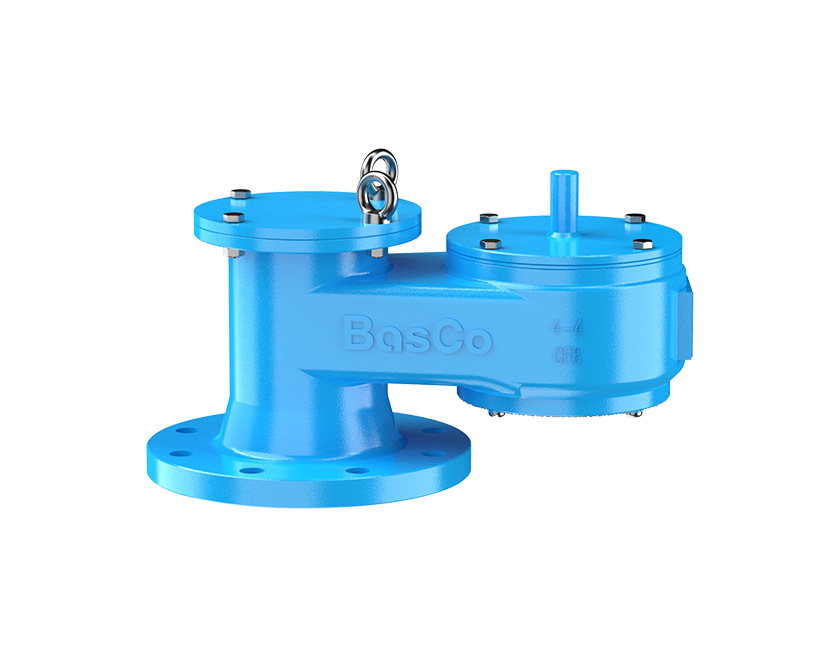
Filling, withdrawal and temperature changes all affect a tank’s vapor space. A breather valve gives that changing pressure a controlled relief path. Selecting one starts with the tank’s operating conditions, rather than its nozzle size alone.
A breather valve, commonly called a pressure vacuum relief valve (PVRV), helps protect a storage tank by releasing vapor under positive pressure and admitting gas under vacuum. Effective protection depends on suitable settings, sufficient verified flow capacity, compatible materials and an unobstructed installation.
At BASCO, we recommend reviewing the complete venting arrangement: the valve, connecting pipework, discharge destination and any associated equipment. This guide explains the working principle, product options and evidence buyers should request.

From Tank Breathing Demand to a Defined Relief Path
A typical direct-acting PVRV uses pressure and vacuum pallets that lift from their seats when the relevant differential pressure reaches the opening condition. Loading may be provided by weights or springs, depending on the design. As the differential falls, the pallet reseats.
Liquid filling and vapor expansion can increase tank pressure. The pressure side opens to discharge vapor to the designed outlet or vapor system.
Liquid withdrawal and cooling can reduce tank pressure. The vacuum side opens to admit gas through the configured inlet path.
When conditions recover, the pallet returns to its seat. Actual leakage and reseating behavior depend on the design, condition and test criteria.
The opening setting is not the same as the pressure required to deliver rated flow. A valve may need additional differential pressure to pass the required venting rate. Capacity must therefore be checked against the tank’s allowable pressure and vacuum under relieving conditions.
Original video: breather valve operating principle. Review the exact model and flow arrangement for your application.
An open vent provides a continuously open breathing path. A conservation-type breather valve is designed to restrict vapor release below its opening conditions, which can reduce losses compared with an open vent. This does not mean zero leakage or guaranteed emissions compliance. Request the specified leakage performance and relevant test conditions.
Blanketed tanks need coordinated settings. A vacuum relief inlet does not automatically provide nitrogen blanketing. Confirm the admission gas source and review the blanketing regulator, PVRV and emergency protection together. See our nitrogen blanketing valve guide.

Separate Pressure Relief, Vacuum Relief and Reseating
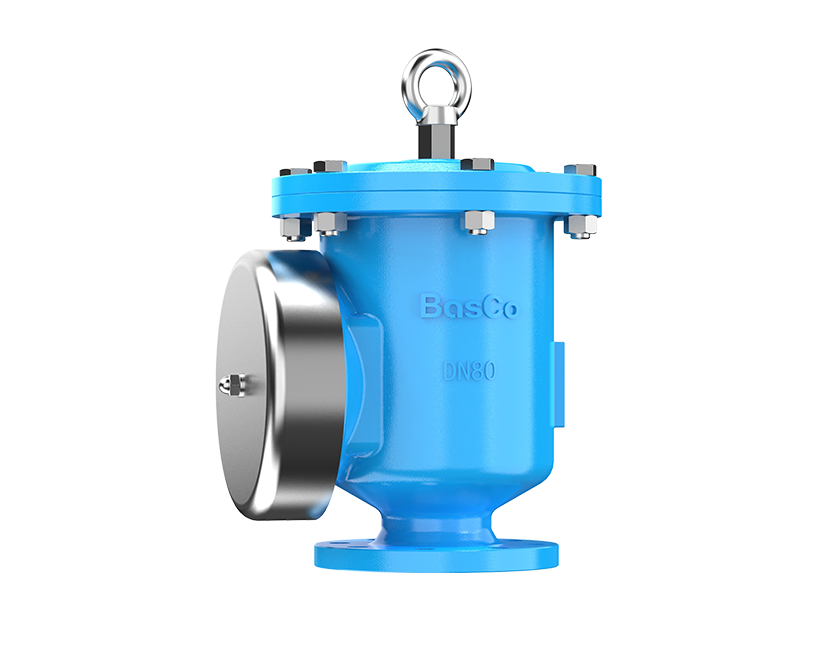
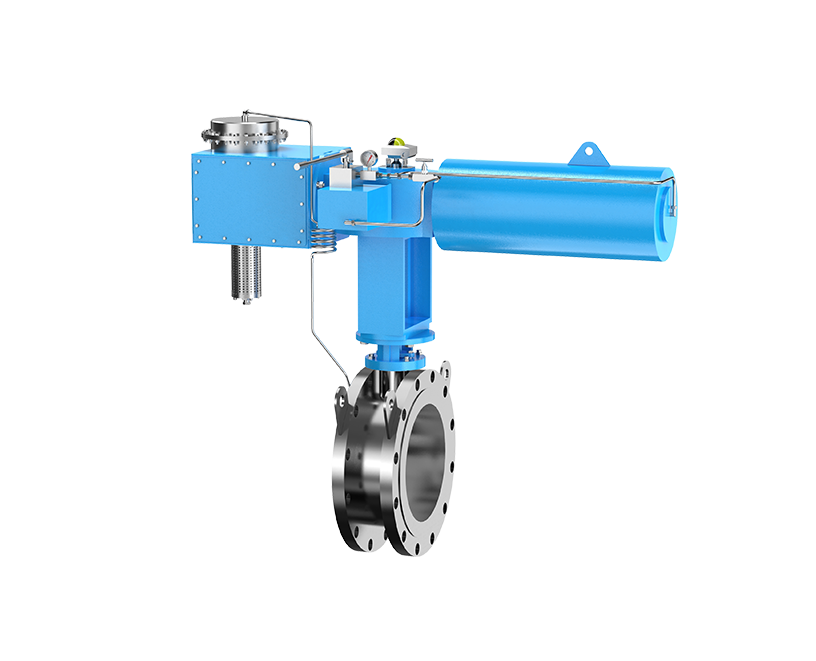
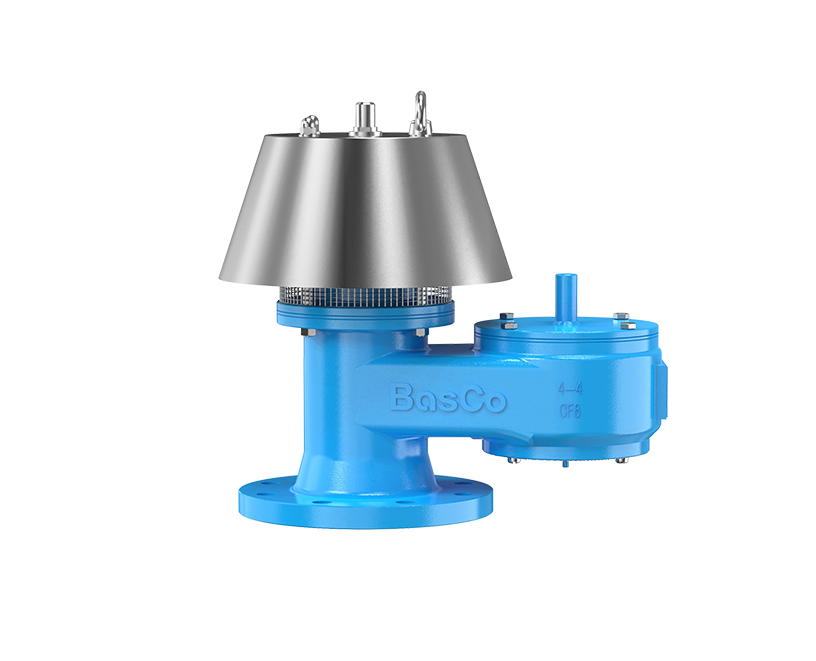
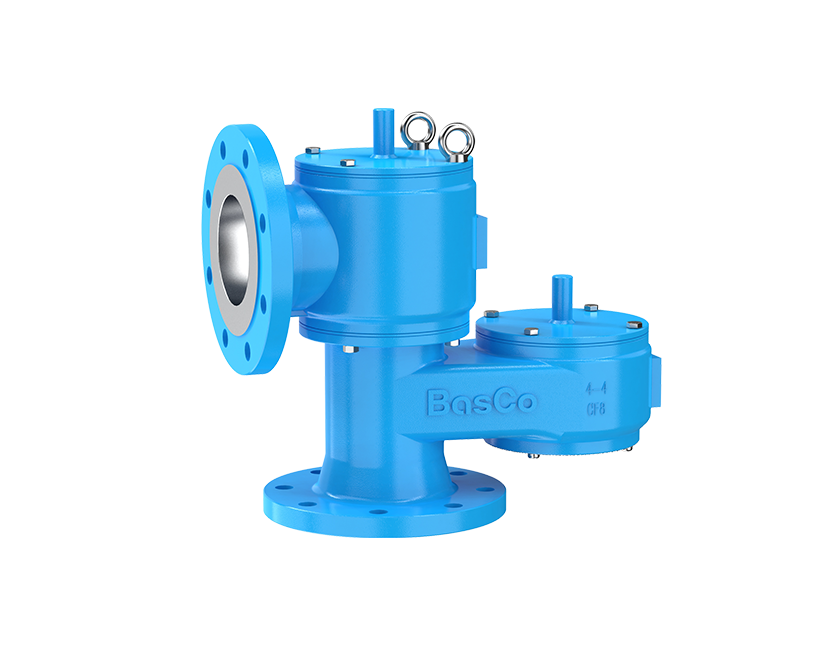
Start by deciding whether the tank requires a combined pressure-vacuum device or separate relief functions. Then confirm whether the outlet is open to a designated discharge location or connected to pipework. The four original products are retained below.
| Option | Function / arrangement | Selection question |
|---|---|---|
| 5100 | End-of-line pressure vacuum relief valve | Is this outlet arrangement suitable for the planned discharge location and exposure? |
| 5200 | In-line pressure vacuum relief valve | How do connected pipework and header pressure affect the installed relief performance? |
| 5300 | Pressure relief valve | Where is the required vacuum protection provided? |
| 5400 | Vacuum relief valve | Where is the required pressure protection provided? |
For the layout decision, read in-line vs end-of-line PVRVs. Confirm model-specific settings, materials, connections and capacity data before selection.
Normal breathing and emergency relief are separate design checks. An emergency vent may provide additional capacity for identified abnormal conditions, such as external fire exposure. Its role and required capacity must be assessed for the project. Do not assume that fitting a normal PVRV resolves every emergency case. Read more about emergency relief valves.
Both can relieve pressure, but their service conditions, pressure ranges and design requirements can differ substantially. A combined PVRV also has a vacuum relief function. Names alone do not establish interchangeability. Compare the equipment limits and relief duty using our breather valve vs PRV guide.
A suitable connection size is only one part of selection. We recommend documenting the required inbreathing and outbreathing rates, then checking the candidate valve against the complete installed flow path.
API 2000 addresses normal and emergency venting for storage tanks within its scope. It provides a framework for assessing venting demand and selecting relief arrangements. Use the edition adopted for the project and confirm its scope and local requirements. A reference to API 2000 does not by itself demonstrate that a particular valve or installation is adequate.
A flame arrester has a different function from pressure-vacuum relief. If it is required, select it for the identified flame hazard and verify the resulting pressure loss and vent capacity. Connected vapor systems can also change the pressure differential across a valve. Review the full assembly rather than treating each item as an isolated component.
For a more detailed purchasing sequence, see how to choose a breather valve.

From Tank Data to a Verified Valve Selection
Share the tank limits, liquid properties, transfer rates and proposed vent layout with BASCO so the relevant valve configuration and supporting data can be reviewed.
Opening behavior, seat leakage and flow capacity answer different questions. A valve can begin to open at the requested setting yet still lack sufficient flow at the tank’s permissible relieving pressure. Request records that identify the exact configuration and conditions tested.
Original video: breather valve performance and flow capacity testing. The video illustrates testing; model-specific records are needed for project verification.
| Review item | Evidence to request | Decision it supports |
|---|---|---|
| Opening / reseating | Pressure and vacuum settings, test method, tolerances and recorded results | Does operation match the agreed settings and criteria? |
| Seat leakage | Leakage rate, test differential, medium and acceptance criteria | Is the stated tightness suitable for the service? |
| Flow capacity | Pressure and vacuum curves or tables, flow reference conditions, test configuration and relieving differential | Can the installed arrangement meet the required breathing duty? |
| Configuration traceability | Model, size, materials, loading and relevant accessories linked to the supplied unit | Does the reviewed evidence apply to the valve being purchased? |
Compare flow figures on the same basis. Check whether values refer to air or another gas and whether volumetric rates use actual or reference conditions. A catalogue flow number without its pressure and gas basis is insufficient for a reliable comparison.

Connect Each Performance Claim to Its Own Evidence
Correct sizing depends on the vent path remaining available in service. Installation and inspection should follow the manufacturer’s instructions and the site’s operating procedures.
Confirm mounting orientation, connection details, flow direction and the planned discharge destination. Check that pipework does not impose unintended loads or restrict movement.
Review rain, freezing, deposits, corrosion and insects where relevant. Weather protection and accessories must suit the service without compromising required flow.
Inspect seats, seals, guides, pallets and loading components. Record condition and test results, and verify the required settings after maintenance.
Do not alter weights, springs or settings without an approved review. Changes can affect both opening behavior and available protection. Define inspection intervals from the service conditions, manufacturer’s guidance and operating history. For cold installations, see PVRV freezing issues and cold-climate considerations.
A complete enquiry helps suppliers compare the same duty and identify missing inputs before recommending a model.
| Information group | What to provide |
|---|---|
| Tank and operating limits | Tank type, volume or dimensions, allowable pressure and vacuum, normal operating range and project design basis |
| Process conditions | Stored medium, vapor properties, temperatures, maximum filling and withdrawal rates, and calculated venting demand if available |
| Venting arrangement | End-of-line or in-line layout, pipework details, outlet or header conditions, blanketing arrangement and associated equipment |
| Supply and acceptance | Requested settings, materials, flange standard, test documentation, leakage criteria, traceability and maintenance requirements |

Turn an RFQ into a Reviewable Venting Specification
A combined PVRV provides both functions. Pressure-only and vacuum-only models provide their designated function, so the complete tank protection arrangement must account for the other duty where required.
No. Confirm the required breathing rates, settings and installed flow performance. Matching the connection does not establish adequate capacity.
A standard breather valve should not be assumed to provide flame arresting. Where needed, assess a suitably selected flame arrester or integrated design and verify the capacity of the complete arrangement.
Emergency relief must be assessed separately. Only a documented review of the applicable scenarios and available capacity can establish whether the proposed arrangement is adequate.
A video can help explain the test process. Acceptance requires applicable records, identified test conditions and criteria linked to the supplied configuration.
Send BASCO your tank data and intended installation layout. Include the required pressure and vacuum settings, breathing rates and documentation needs, or flag the inputs that still require review.

Where Are Rupture Disks Used in Chemical and Petrochemical Plants?
2026-09-21Burst Pressure Tolerance Explained: How Accurate Are Rupture Disks?
2026-09-16Full-Process Quality Control for Rupture Discs
2026-09-01Rupture Disk Selection Guide: How to Choose the Right Type, Pressure, Material, and Size
2026-08-25Copyright © Jiangsu Bafang Safety Device Co., LTD. All Rights Reserved