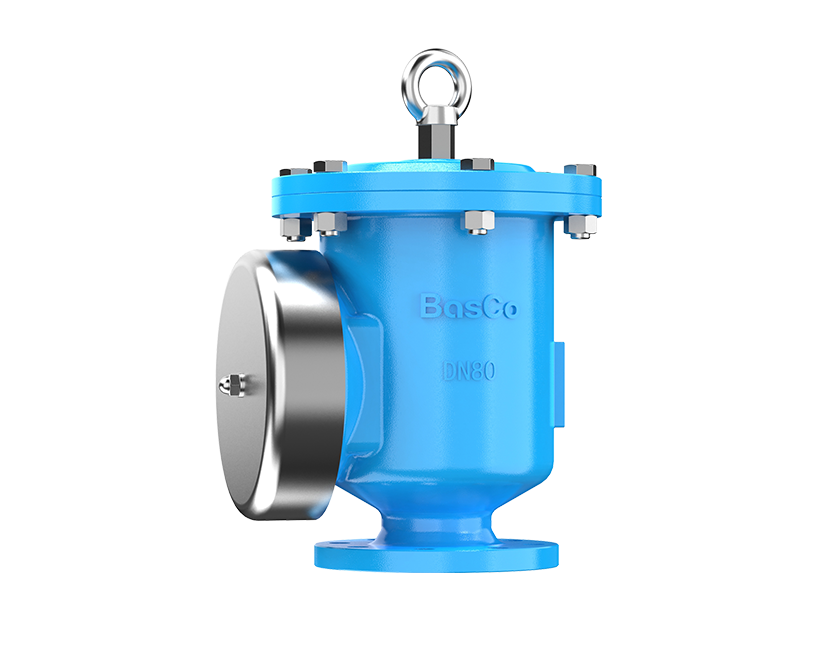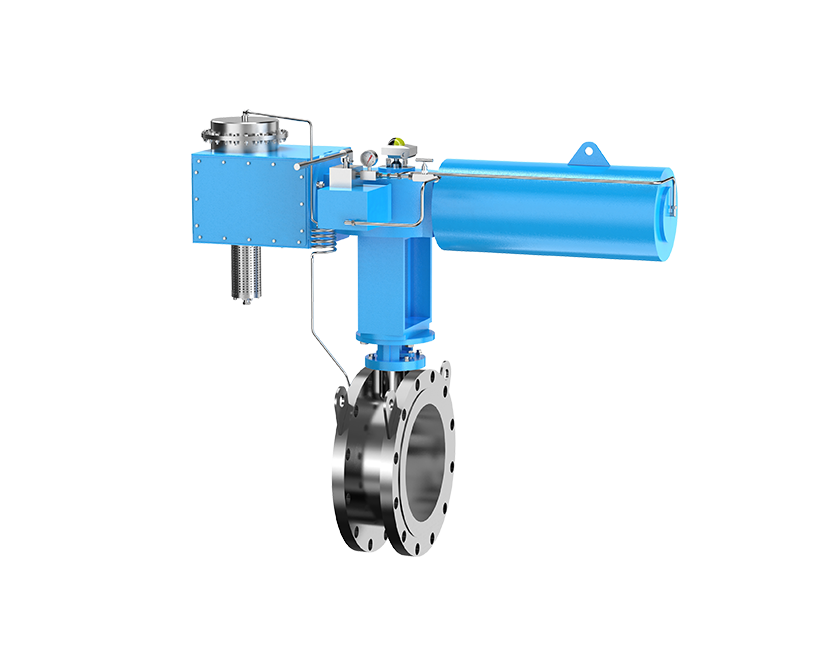


Choosing between a safety relief valve (SRV) and a rupture disk (RD) comes down to core operational needs: reusability vs. sacrificial fast relief, process conditions (e.g., corrosivity, cyclic pressure), response speed, and system compatibility. While SRVs are workhorses for predictable, low-risk overpressure events, rupture disks (especially BasCo’s engineered line) excel in high-stakes, extreme, or hard-to-service scenarios where SRVs fail or fall short. Below is a clear breakdown of when to use each—including hybrid combinations, and my subjective take on where BasCo’s rupture disks outperform generic options in real industrial settings.
When to Use a Safety Relief Valve (SRV)
SRVs are reusable, spring-loaded pressure relief devices that open gradually when pressure exceeds a set point, release excess medium, and reseal once pressure returns to normal. They are the go-to choice for routine, non-catastrophic overpressure events where minimizing process downtime and medium loss is critical. Use an SRV if your system meets these criteria
What happens when a rupture disk ruptures?
When a rupture disk ruptures, it acts as a sacrificial safety device that instantly (within milliseconds) releases excess pressure or vacuum from a vessel/equipment by bursting its one-time-use membrane. This prevents catastrophic failure, explosions, or system damage by creating an unobstructed flow path for the overpressurized medium to vent. Critically, it does not reseal after bursting—requiring replacement to restore system integrity. BasCo’s rupture disks are engineered for precise, reliable rupture at pre-calibrated pressures/temperatures, ensuring rapid pressure relief while minimizing process disruption; their designs also reduce fragment dispersion, protecting downstream components from debris damage.
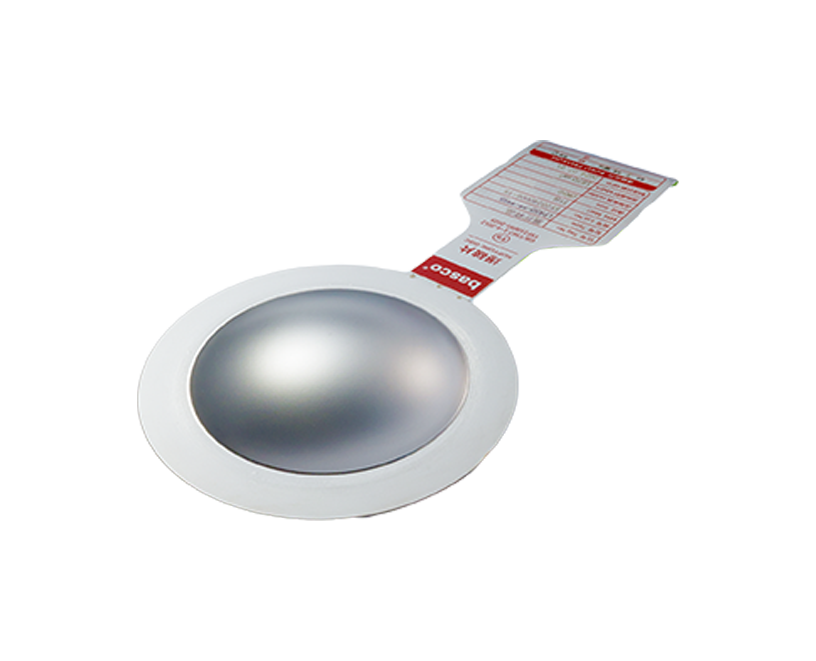
What does a rupture disk look like?
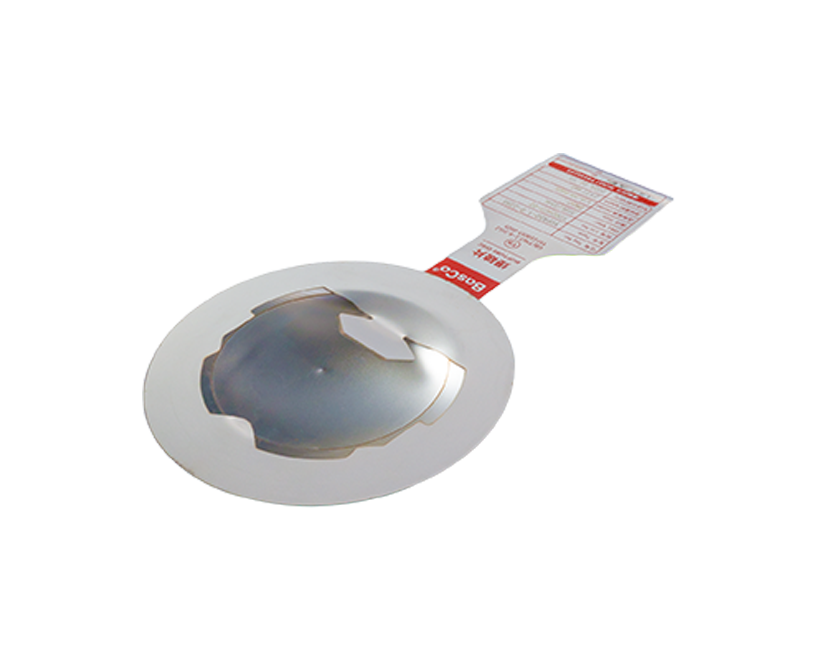
A rupture disk typically consists of a thin, domed or flat membrane (usually metal, graphite, or composite) held in a circular holder, often with laser-scored lines to control the rupture pattern. Key visual features include:
Shape: Round (most common) or square, with a convex/concave dome (forward-acting) or reverse-buckling dome for compression-triggered rupture.
Markings: Stamped with burst pressure, temperature, material, and certification codes (e.g., ASME, CE) for traceability.
Materials: Metal (stainless steel, nickel alloys), graphite, or layered composites for corrosion resistance or chemical compatibility.
BasCo’s rupture disks stand out with precision-engineered scoring for consistent, full opening upon rupture, and robust holders that ensure leak-tightness in harsh industrial environments; their product line includes reverse-acting scored disks (e.g., YC series) optimized for high-cycle stability.
Can a ruptured disk heal itself?
No, a ruptured disk cannot heal itself. It is a one-time-use device—once the membrane bursts, its structural integrity is permanently lost, and it cannot reseal or restore functionality. Post-rupture, the disk must be replaced to maintain system safety and compliance with industry standards (e.g., API, ISO). BasCo emphasizes that its rupture disks are designed for easy installation/replacement, with clear replacement guidelines and 24/7 technical support to minimize downtime after a rupture event.
What causes a rupture disk to burst?
A rupture disk bursts when system conditions exceed its designed threshold, driven by:
Overpressure: Excessive positive pressure from thermal expansion, chemical reactions, blocked relief paths, or equipment malfunctions (the primary trigger).
Vacuum: Excessive negative pressure that collapses the disk if not protected by a vacuum support layer.
Temperature extremes: High/low temperatures that alter material strength, causing premature or delayed rupture if unaccounted for.
Material degradation: Corrosion, fatigue, or chemical attack weakening the membrane over time.
Installation errors: Incorrect torque, misalignment, or damage during fitting that compromises the disk’s integrity.
BasCo mitigates these risks by using corrosion-resistant alloys (e.g., Hastelloy, Inconel) for harsh media, laser-scoring to eliminate fatigue-related failures, and rigorous pre-shipment testing (burst pressure, leak-tightness) to ensure compliance with ASME Section VIII and PED standards. Their engineering team also provides custom solutions to address unique process variables (e.g., cyclic pressure, aggressive chemicals) that could cause premature bursting.

Copyright © Jiangsu Bafang Safety Device Co., LTD. All Rights Reserved