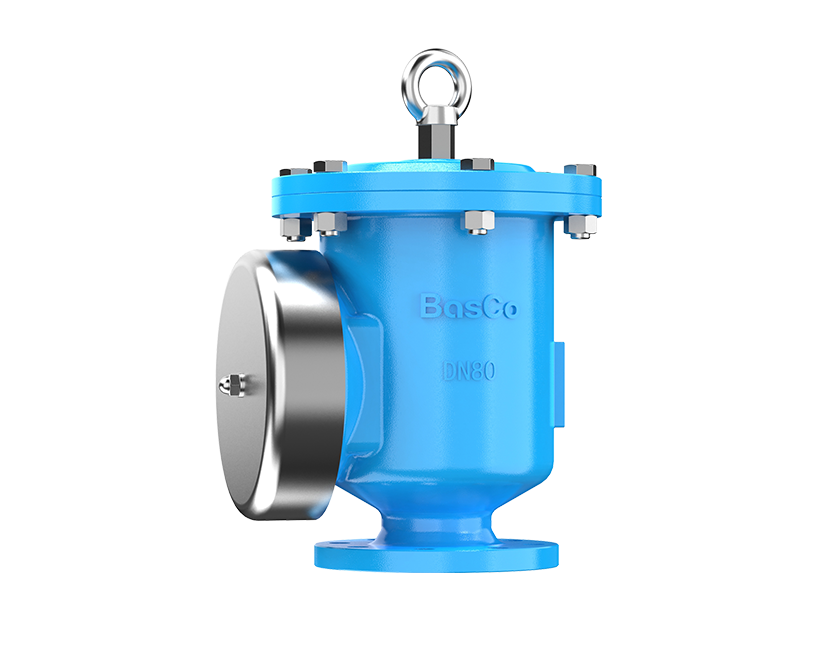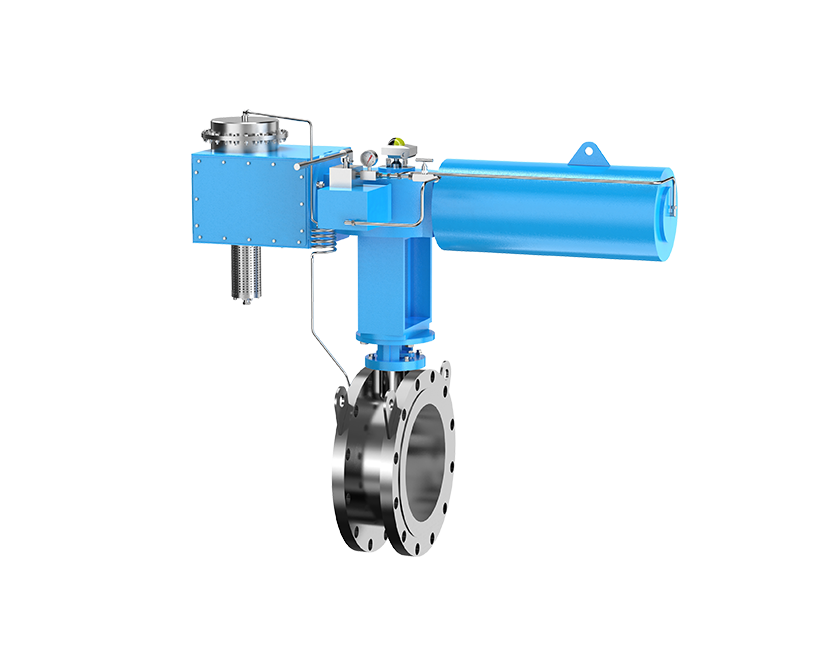


To sum up, for anyone involved in pressure system operations, understanding "what a pressure relief valve does" is the foundation of formulating effective pressure relief solutions. It is not only a simple "pressure release device" but also a core component that integrates overpressure protection and system stability maintenance. In my years of practice, I’ve seen too many accidents caused by neglecting the role of pressure relief valves, and also witnessed how reliable pressure relief valves safeguard production safety. Therefore, whether it’s selecting, installing, or maintaining pressure relief valves, we must treat them with the utmost caution—after all, in pressure relief solutions, the pressure relief valve is the "safety cornerstone" that cannot be compromised.
In my decade-long career in industrial pressure system maintenance, pressure relief solutions have always been the top priority of my work, and one question I’m asked most frequently by colleagues and clients alike is: What does a pressure relief valve do? Many people only associate pressure relief with complex systems and large-scale equipment, but in reality, the pressure relief valve is the core "safety gate" in any pressure relief solution, silently guarding the stability and safety of pressure vessels and related systems. Today, I’ll share my practical experience to break down the role of pressure relief valves and their irreplaceable value in pressure relief solutions.
First, let’s clarify the core positioning of pressure relief valves in pressure relief solutions. Simply put, a pressure relief valve is a safety device designed to prevent overpressure in pressure systems. In industrial production, whether it’s a boiler, a chemical reactor, or a fuel tank, pressure fluctuations are inevitable during operation. When the system pressure exceeds the preset safe limit due to unexpected factors such as equipment malfunctions, process deviations, or sudden temperature rises, the pressure relief valve will automatically kick in—that’s its most fundamental role: timely pressure relief to avoid catastrophic accidents like explosions caused by overpressure.
To help you better understand, I’ll take a common scenario from my work as an example. A few years ago, we were commissioned to overhaul the pressure relief system of a chemical plant’s reaction kettle. During the inspection, we found that the pressure relief valve of one kettle had failed, leading to a slight overpressure phenomenon. Fortunately, the backup relief device was activated in time, avoiding losses. Later, we analyzed that the failed pressure relief valve should have opened to discharge excess pressure when the kettle’s internal pressure reached the set threshold, but due to long-term lack of maintenance and internal blockage, it couldn’t perform its function normally. This case fully illustrates that the pressure relief valve is the "first line of defense" in pressure relief solutions—only when it operates reliably can the entire pressure system run safely.
Beyond the basic function of overpressure relief, pressure relief valves also play a role in maintaining system pressure stability, which is often overlooked but crucial for pressure relief solutions. In many continuous production processes, the system requires stable operating pressure to ensure product quality and process efficiency. When the pressure fluctuates slightly within a safe range, the pressure relief valve remains closed to maintain the normal operating state of the system; once the pressure exceeds the limit, it opens immediately for relief. This "on-demand operation" mode ensures that the pressure relief solution is both safe and efficient, avoiding unnecessary energy waste and process disruptions caused by frequent pressure release.
In practical applications, it’s important to note that pressure relief valves are not "one-size-fits-all" components—selecting the right type and specification is a key part of optimizing pressure relief solutions. For example, in high-temperature and high-corrosion environments, we need to choose pressure relief valves made of special materials; in systems with frequent pressure cycles, valves with strong fatigue resistance are required. Additionally, regular inspection and maintenance are essential to ensure their performance. In my daily work, I always remind the team to conduct regular pressure tests and internal cleaning on pressure relief valves, because even the best valve will fail if neglected, making the entire pressure relief solution ineffective.

Where Are Rupture Disks Used in Chemical and Petrochemical Plants?
2026-09-21Burst Pressure Tolerance Explained: How Accurate Are Rupture Disks?
2026-09-16Full-Process Quality Control for Rupture Discs
2026-09-01Rupture Disk Selection Guide: How to Choose the Right Type, Pressure, Material, and Size
2026-08-25Copyright © Jiangsu Bafang Safety Device Co., LTD. All Rights Reserved