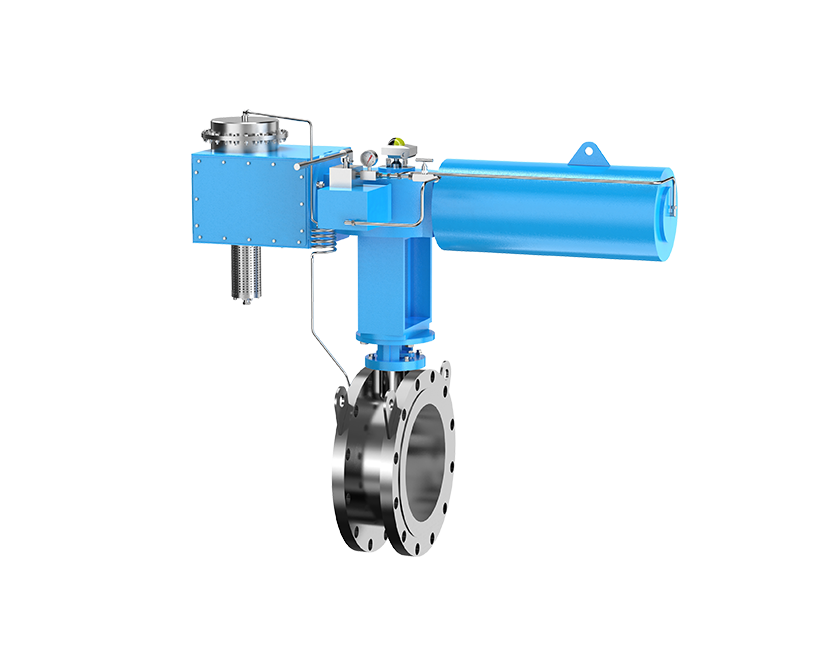


At BasCo, we work with engineers, equipment manufacturers, and industrial operators who need reliable protection against flame propagation in processes involving flammable gases and vapors. In industries such as oil and gas, chemical processing, marine systems, pharmaceutical production, and energy applications, a flame arrester is often a critical safety barrier between an ignition source and a larger process hazard.
From our engineering experience at BasCo, a flame arrester should never be selected only by pipe size or connection type. The correct solution depends on the actual flame risk, including gas characteristics, installation location, flame behavior, pressure conditions, temperature, and process requirements. A properly selected flame arrester helps prevent flame transmission while maintaining normal process operation, but an unsuitable selection may create unnecessary pressure loss or insufficient protection.
This guide provides a complete overview of flame arresters, including how they work, different types, application scenarios, selection logic, standards, maintenance considerations, and BasCo's engineering approach to flame protection.
BasCo engineers can help evaluate your process conditions, flame risk, installation requirements, and suitable flame arrester configuration.
Explore BasCo Flame Arrester SolutionsA flame arrester is a passive safety device designed to stop flame propagation through pipelines, vents, tanks, and process equipment. During normal operation, gases and vapors can pass through the device. During an ignition event, the internal flame arresting element absorbs heat and reduces the flame energy, preventing the flame from continuing through the system.
The purpose of a flame arrester is not to prevent ignition. Its purpose is to prevent the ignition event from becoming a larger flame propagation hazard.
In practical industrial applications, flame arresters are commonly installed on storage tanks, process pipelines, vapor recovery systems, gas handling equipment, and other locations where flammable mixtures may exist.
A flame arrester works by absorbing heat from the flame front and reducing flame energy below the level required for continued combustion. The internal flame arrester element creates narrow passages that transfer heat away from the flame, allowing normal gas flow while preventing flame propagation.
At BasCo, we consider the flame arrester element the core of the protection system because its structure directly affects flame quenching performance, pressure drop, and long-term reliability.
This video demonstrates the working principle of a BasCo flame arrester, showing how the internal flame arresting element reduces flame propagation while maintaining normal gas flow.
The flame arresting element is the most important part of the device. Its structure determines flame stopping capability, pressure drop, cleaning requirements, and long-term reliability.
At BasCo, our engineers evaluate element design because the same flame arrester size can perform differently depending on internal structure, material selection, operating environment, and process conditions.

Structure diagram of BASCO flame arrester.
Industrial processes involving flammable gases and vapors always require careful hazard evaluation. A flame can travel through pipelines and connected equipment, creating secondary risks far away from the original ignition point.
A flame arrester provides a passive protection layer by limiting flame propagation and helping protect personnel, equipment, and production systems.
| Protection Function | Engineering Purpose |
|---|---|
| Flame propagation prevention | Stops flames from traveling through connected piping and process equipment. |
| Process continuity | Allows normal gas and vapor flow during operation. |
| Explosion risk reduction | Reduces the possibility of flame reaching additional combustible areas. |
In industrial applications, flame arresters are not all designed for the same risk condition. At BasCo, we classify flame arresters based on flame behavior, installation position, and process requirements. Selecting the correct type is critical because different flame propagation scenarios require different protection levels.
The three main engineering factors for flame arrester selection are installation location, flame propagation behavior, and process operating conditions.
Common flame arrester categories include end-of-line flame arresters, inline flame arresters, deflagration flame arresters, and detonation flame arresters. Each type addresses different industrial protection requirements.
One of the first decisions engineers make is whether the application requires an end-of-line flame arrester or an inline flame arrester. The difference is mainly related to installation position and the expected flame propagation path.
An end-of-line flame arrester is installed at the outlet of a vent pipe or equipment opening. It is commonly used on storage tanks, pressure vacuum relief systems, and equipment where the main risk is external ignition entering the protected vessel.
At BasCo, we often evaluate end-of-line applications together with tank breathing requirements because the flame arrester must provide protection without restricting normal vapor movement.
An inline flame arrester is installed within a pipeline or process connection. It is designed to stop flame propagation traveling through the pipe system.
Inline flame arresters are commonly used in gas pipelines, vapor recovery systems, chemical processing equipment, and fuel handling systems. The installation distance, pipeline length, and potential flame acceleration must be carefully considered.
| Comparison Item | End-of-Line Flame Arrester | Inline Flame Arrester |
|---|---|---|
| Installation Location | Installed at the end of vent lines or equipment openings. | Installed inside pipelines or process connections. |
| Main Protection Purpose | Prevents external flame from entering equipment. | Stops flame propagation through piping systems. |
| Typical Applications | Storage tanks, vents, pressure vacuum relief systems. | Gas pipelines, vapor recovery, process systems. |
Understanding flame behavior is essential for proper flame arrester selection. At BasCo, we frequently explain that deflagration and detonation are different combustion events with different energy levels.
A deflagration flame travels below the speed of sound, while a detonation creates a high-speed combustion wave with significant pressure impact. These different conditions require different flame arrester designs.
| Feature | Deflagration Flame Arrester | Detonation Flame Arrester |
|---|---|---|
| Flame Speed | Subsonic flame propagation. | Supersonic combustion wave. |
| Pressure Effect | Lower pressure development. | High pressure shock wave. |
| Typical Application | Short piping systems and general vapor protection. | Long pipelines and high-risk process systems. |
| Selection Requirement | Based on expected flame behavior and installation conditions. | Requires evaluation of detonation risk and pipeline configuration. |
At BasCo, we organize flame arrester solutions according to practical industrial requirements. This classification helps engineers quickly identify the appropriate protection approach for their applications.

BASCO flame arrester classification.
BasCo provides different flame arrester solutions for various industrial conditions, including end-of-line protection, inline deflagration protection, stable detonation protection, and unstable detonation protection.
The correct flame arrester should match the actual hazard scenario rather than simply the connection size. BasCo engineers evaluate flame behavior, installation location, operating conditions, and maintenance requirements before recommending a suitable configuration.
 6100 End of Line Flame Arrester
 Designed for end-of-line vent protection applications.
 6200 In Line Deflagration Flame Arrester
 Designed for inline deflagration flame protection.
 6400 In Line Detonation Flame Arrester
 Designed for inline detonation protection applications.
 6500 In Line Unstable Detonation Flame Arrester
 Designed for unstable detonation flame protection.
Choosing a flame arrester requires a complete understanding of the process system. At BasCo, we do not recommend selecting a device only by nominal diameter or pressure rating. The flame risk, installation location, and process conditions determine the correct solution.
| Selection Factor | Why It Matters |
|---|---|
| Installation Position | Determines whether end-of-line or inline protection is required. |
| Flame Type | Determines whether deflagration or detonation protection is necessary. |
| Gas Characteristics | Affects flame speed and combustion behavior. |
| Temperature and Pressure | Influence material selection and operating reliability. |
| Maintenance Requirements | Affects long-term performance and inspection planning. |
Flame arresters are widely used in industries where flammable gases, vapors, or combustible mixtures may exist. At BasCo, we support applications across oil and gas, chemical processing, marine systems, pharmaceutical production, energy facilities, and storage operations.
The application determines the flame arrester design. A tank vent application, a gas pipeline application, and a chemical process connection may require completely different protection solutions.
In oil and gas facilities, flame arresters are commonly installed on storage tanks, vapor recovery systems, fuel handling equipment, and process pipelines. These applications often involve flammable hydrocarbons where preventing flame transmission is critical.
Applications of Flame Arresters in Oil & Gas, Chemical, and Marine IndustriesChemical plants often handle solvents, gases, and volatile materials. Flame arresters help reduce the risk of flame propagation between connected process equipment and provide an additional passive safety layer.
Marine fuel systems, cargo tanks, and storage facilities may experience flammable vapor conditions. Proper flame arrester selection helps protect ventilation systems and tank openings from external ignition sources.
BasCo provides engineering support for selecting end-of-line flame arresters, inline flame arresters, deflagration flame arresters, and detonation flame arresters.
Contact BasCo Flame Arrester SpecialistsFlame arrester selection requires more than comparing product dimensions. Engineers need to consider recognized standards, flame behavior, installation conditions, and process requirements.
At BasCo, we recommend starting with the actual application risk before selecting a flame arrester model. Standards provide the technical framework, but engineering evaluation determines the correct solution.
How to Choose a Flame Arrester Under ISO/IEC 80079-49:2024| Engineering Consideration | Selection Importance |
|---|---|
| Flame Classification | Determines whether deflagration or detonation protection is required. |
| Installation Distance | Affects flame acceleration and protection requirements. |
| Process Media | Influences flame speed, material compatibility, and performance. |
| Operating Conditions | Defines temperature, pressure, and flow requirements. |
Many engineers use the terms flame arrester and detonation arrester interchangeably, but they represent different protection requirements. Understanding the difference is essential when selecting equipment for high-risk applications.
A flame arrester must match the expected combustion behavior. A device designed for normal deflagration conditions may not provide sufficient protection against detonation events.
Flame Arrester vs Detonation Arrester: Key Differences, Applications, and Engineering RealitiesA reliable flame arrester purchase decision requires understanding not only the product but also the engineering factors behind performance. At BasCo, we encourage customers to evaluate materials, installation requirements, maintenance plans, and lifecycle cost before making a decision.
Material selection affects corrosion resistance, durability, and long-term reliability. Different process environments may require different materials depending on chemical compatibility and operating conditions.
Flame Arrester Materials Explained: SS304 vs SS316 vs MonelInstallation distance is often overlooked during selection. The distance between the ignition source and the flame arrester can influence flame development and protection requirements.
Flame Arrester Installation Distance: What Engineers Often MissAlthough flame arresters are passive safety devices, they require proper inspection and maintenance to maintain reliable performance. Contamination, corrosion, and blockage can influence pressure drop and flame protection capability.
A flame arrester that is correctly selected but poorly maintained may not provide the expected protection during an emergency event.
How to Clean and Inspect Flame ArrestersUnderstanding common failure modes helps engineers improve system reliability. Problems often come from incorrect selection, improper installation, contamination, or operating conditions outside the original design range.
Failure Analysis of Flame Arrestors in Oil and Gas Recovery SystemsBasCo provides a complete range of flame arrester solutions designed for different industrial protection requirements, including end-of-line protection, inline deflagration protection, stable detonation protection, and unstable detonation protection.
Our engineering philosophy is simple: the best flame arrester is not the largest or most expensive product. It is the solution that matches the real process hazard and provides reliable protection throughout the equipment lifecycle.
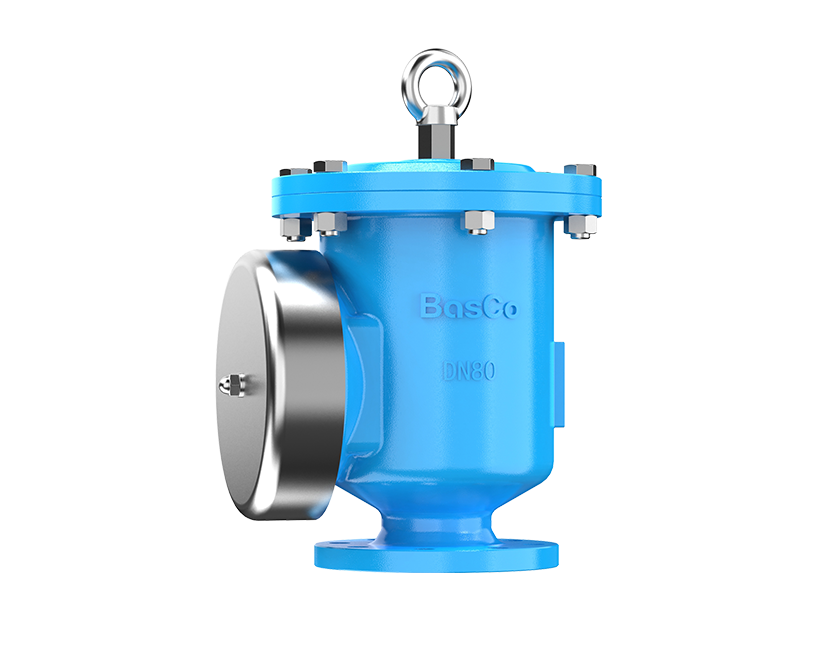
BASCO End-of-line Pressure Vacuum Relief Valve with Integrated Flame Arrester.
From our perspective at BasCo, flame arrester selection should always begin with understanding the process risk. The correct device depends on flame behavior, installation location, operating conditions, process media, and maintenance requirements.
A successful flame protection system is not based on a single product choice. It requires the right flame arrester type, correct installation, proper maintenance, and continuous understanding of the industrial process.
Whether you need an end-of-line flame arrester for tank protection, an inline flame arrester for pipeline safety, or a detonation-rated solution for high-risk systems, BasCo engineers can help evaluate the application and recommend a suitable configuration.
Share your application details with BasCo engineers. We can help review your process conditions, protection requirements, and suitable flame arrester solution.
Request Engineering Support
Where Are Rupture Disks Used in Chemical and Petrochemical Plants?
2026-09-21Burst Pressure Tolerance Explained: How Accurate Are Rupture Disks?
2026-09-16Full-Process Quality Control for Rupture Discs
2026-09-01Rupture Disk Selection Guide: How to Choose the Right Type, Pressure, Material, and Size
2026-08-25Copyright © Jiangsu Bafang Safety Device Co., LTD. All Rights Reserved