

In my experience working with process safety and combustion control systems, flame arrestors are often treated as“install and forget” devices. That mindset is risky. Flame arrestors are passive safety components, but they operate in active, changing process conditions. They age, clog, corrode, and sometimes become unsafe long before anyone expects.
If you're responsible for plant safety, compliance, or uptime, the real question isn't how often to replace a flame arrestor. The real question is under what operating and safety conditions replacement becomes mandatory rather than optional. That distinction matters, because replacing too early wastes money, while replacing too late can expose your operation to serious fire and explosion risks.
Below, I'll walk through the engineering logic I use to decide when replacement is required, when maintenance is sufficient, and when continued operation becomes unsafe.
Most flame arrestor failures don't happen suddenly. They develop gradually as process conditions interact with the arrestor's internal element. The core function—quenching a flame front by absorbing heat—depends on very precise gap geometry, thermal conductivity, and open area. Anything that alters those parameters degrades performance.
In real industrial environments, the most common failure mechanisms I see include particulate buildup, resin or polymer deposition, corrosion of metal elements, and mechanical damage during cleaning or handling. These mechanisms don't always make the arrestor look“broken”, which is why inspection and performance monitoring are critical.

crimped ribbon element
Internally, most flame arrestors rely on a crimped ribbon or cellular element designed to dissipate heat rapidly. The effectiveness of this design depends on maintaining very tight tolerances. Even small changes—like partial clogging or corrosion pitting—can reduce flame-quenching capability while still allowing normal flow.
That's why visual condition alone is never a reliable indicator of safety.

(a): crimped ribbon element, (b): side view of narrow channels, and (c): cross‐section of a channel.
(source:www.researchgate.net )
Not every issue means you must replace the arrestor immediately. One of the most common mistakes I see is confusing maintenance triggers with replacement triggers.
During regular flame arrestor inspection, I typically classify findings into three categories: acceptable, serviceable, and reject.
If deposits are light, evenly distributed, and removable without damaging the element geometry, cleaning and reinstallation may be acceptable. This is common in vapor service with minor particulate carryover or light condensables.
However, once deposits are hardened, uneven, or chemically bonded to the element, cleaning becomes risky. Aggressive cleaning methods can deform or widen quenching gaps, which silently compromises flame arresting performance.
Inspection intervals should never be calendar-only. I base them on process severity:
If inspection frequency keeps increasing to maintain acceptable performance, that's already a signal that replacement planning should start.
Pressure drop is one of the most reliable indirect indicators of flame arrestor health. In my experience, pressure drop trends tell you more than a single inspection snapshot.
A new or clean flame arrestor has a known baseline pressure drop at design flow. As clogging develops, pressure drop increases, sometimes gradually, sometimes abruptly.
An elevated pressure drop does more than restrict flow. It can cause upstream process instability, increase blower or compressor load, and in some cases encourage operators to bypass the arrestor—creating an even bigger safety risk.
As a general engineering guideline, I treat a 30–50% increase over baseline pressure drop as a critical warning zone. Beyond this point, even if the arrestor can still pass flow, the internal geometry is often compromised enough that flame quenching reliability is questionable.
|
Condition |
Continue Using |
Replace |
|
Pressure drop increase <20% |
Acceptable with monitoring |
Not required |
|
Pressure drop increase 30–50% |
Short-term only, plan action |
Strongly recommended |
|
Pressure drop increase >50% |
Unsafe |
Mandatory |
|
Repeated clogging after cleaning |
Not advised |
Mandatory |
|
Element deformation or corrosion |
Unsafe |
Mandatory |
I always remind teams that pressure drop is a leading indicator, not just a nuisance variable.
This is one of the most common questions I get, especially from maintenance teams trying to control costs. The honest answer is: sometimes—but with strict limits.
Cleaning is acceptable only when it restores the element to near-original condition without altering geometry. That usually means low-pressure air, compatible solvents, or manufacturer-approved ultrasonic methods. Mechanical scraping, wire brushing, or high-pressure washing often causes micro-damage that isn't visible during reassembly.
If cleaning must be repeated frequently, replacement is usually the safer and more economical option. Repeated cleaning cycles increase labor cost, downtime risk, and the chance of human error during reinstallation.
From a risk standpoint, I prefer replacing a marginal arrestor during planned maintenance rather than trusting a cleaned element during critical operation.
Process media is one of the biggest drivers of flame arrestor lifespan, yet it's often underestimated during design.
Clean, dry hydrocarbon vapors tend to be forgiving. By contrast, streams containing sulfur compounds, acids, polymers, or fine solids are extremely aggressive toward flame arrestor elements.
In corrosive service, material loss can enlarge quenching gaps long before clogging becomes visible. In polymerizing service, internal passages can partially close, creating uneven flow paths that reduce flame-quenching efficiency.
If your process media changes—even slightly—that alone can justify replacement. I've seen flame arrestors designed for clean vapor service fail prematurely after a process revamp introduced trace contaminants.
Yes, and this distinction matters in replacement planning.
Inline flame arrestors are exposed to continuous flow, pressure cycling, and contaminants. They tend to clog and wear faster but are easier to monitor using pressure drop instrumentation.
End-of-line flame arrestors, such as vent or tank protection devices, may see little flow under normal operation. That doesn't mean they're low risk. Environmental exposure, condensation, insect nesting, and corrosion can quietly degrade them over time.
For end-of-line units, time-based replacement combined with inspection is often more appropriate than relying on pressure drop alone.

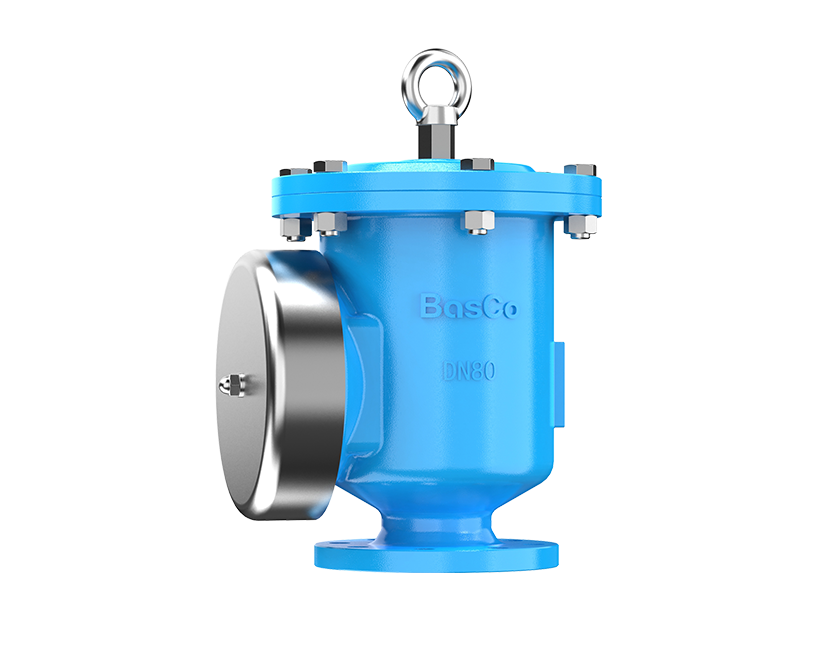
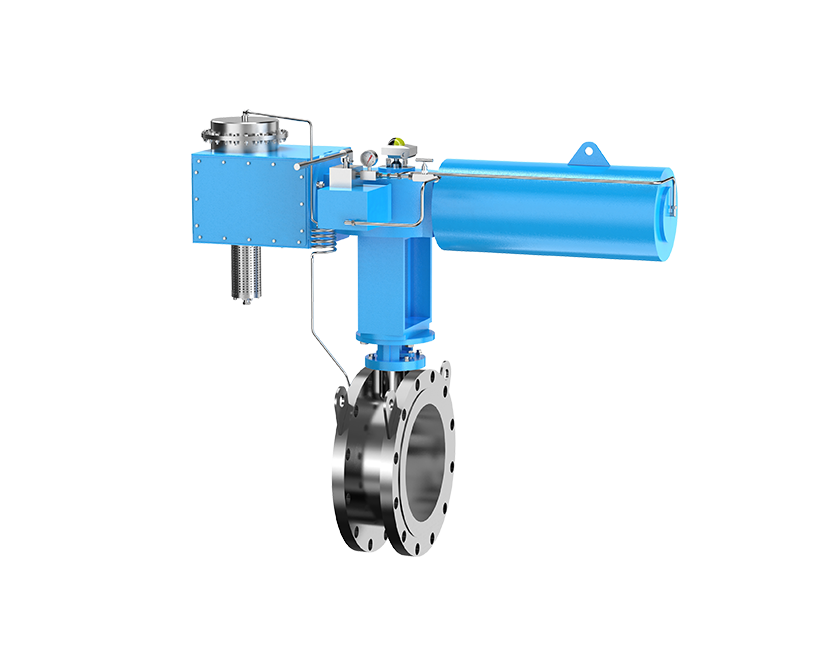
Classification of BASCO flame arrester
One of the clearest replacement triggers I use is process change. If any of the following change, I assume the existing flame arrestor is no longer validated:
Flame arrestors are certified for specific conditions. Operating outside those conditions—even if“close”—introduces unknown risk. From both a safety and compliance perspective, replacement with a correctly rated unit is the responsible choice.
Not all failures are equal. The most dangerous ones are those that reduce flame-quenching capability without obvious external symptoms.
Examples include partial corrosion of internal ribbons, localized clogging that creates preferential flow channels, or subtle deformation from improper cleaning. These failures can allow a flame front to propagate even though the arrestor appears intact.
This is why relying solely on visual checks or age is inadequate. Replacement decisions must be tied to function, not appearance.
From a maintenance strategy standpoint, flame arrestor replacement should be treated similarly to pressure relief devices or safety valves. I recommend assigning them defined inspection intervals, condition-based triggers, and replacement criteria tied into your CMMS.
Proactively replacing a questionable arrestor during a planned shutdown is almost always cheaper than dealing with an unplanned shutdown—or worse, a safety incident. The cost difference isn't just hardware; it's lost production, investigation time, and regulatory exposure.
Absolutely. Many audits reference recognized standards such as those from National Fire Protection Association and ISO. While standards may not mandate fixed replacement intervals, they do require documented inspection, maintenance, and fitness-for-service decisions.
If you cannot demonstrate that a flame arrestor remains suitable for current operating conditions, auditors will often expect replacement. In that sense, documentation gaps alone can become a de facto replacement trigger.
In practice, I use a simple logic flow: confirm operating conditions, review inspection findings, analyze pressure drop trends, and assess process changes. If any path leads to uncertainty about flame-quenching performance, replacement wins.
Safety devices shouldn't rely on optimism.
I'll be direct. A flame arrestor should be replaced when its ability to stop a flame front can no longer be assured with confidence. That loss of confidence can come from excessive pressure drop, irreversible clogging, corrosion, process changes, repeated cleaning, or compliance requirements.
If you're debating replacement, you're probably already close to the threshold. In my experience, decisive, condition-based replacement is one of the simplest ways to reduce both safety risk and operational headaches.
If you'd like help evaluating a specific application or deciding whether maintenance or replacement makes more sense for your operation, I'm always happy to discuss it from a practical, engineering-first perspective.

How to Size a Pressure Vacuum Relief Valve According to API 2000
2026-08-18Flame Arrester Guide: Types, Applications, Selection, and Industrial Solutions
2026-08-04Common Causes of Dust Collector Explosions and How to Protect Against Them
2026-07-13BasCo conducts "CPR+AED Emergency Training to Strengthen Workplace Life Safety Defense"
2026-06-18Copyright © Jiangsu Bafang Safety Device Co., LTD. All Rights Reserved