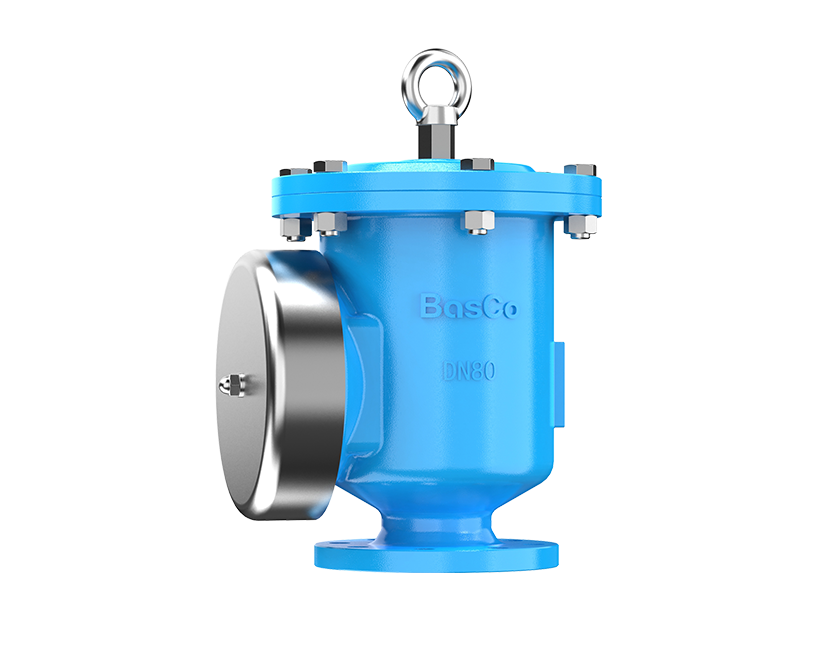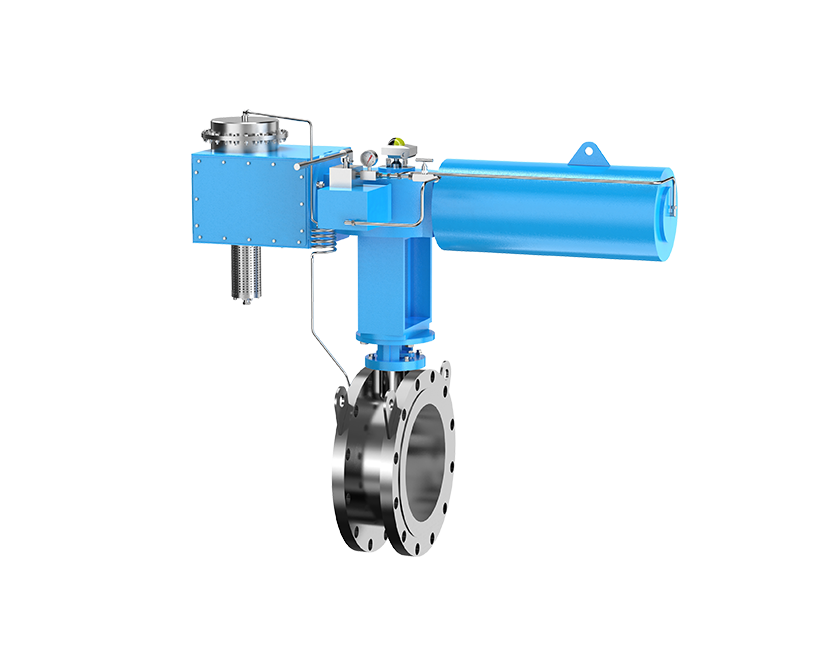


A nitrogen blanketing valve is a precision pressure-control device used to maintain a stable, slightly positive inert-gas atmosphere in the vapor space of a storage tank. By introducing nitrogen into the headspace as needed, the valve ensures that oxygen, moisture, and airborne contaminants are displaced before they can interact with the stored liquid. At its core, a blanketing valve is a safeguard—one that preserves product quality, prevents oxidation, minimizes fire and explosion risk, and helps maintain the structural safety of a tank under dynamic operating conditions.
Across industries such as petrochemical processing, bulk chemical storage, edible oils, pharmaceuticals, and specialty materials, nitrogen blanketing is no longer considered optional. It is a foundational layer of tank safety and product protection, especially for materials that are oxygen-sensitive, volatile, or flammable.
While the concept sounds simple—keep oxygen out by filling the vapor space with nitrogen—the mechanism that supports this goal must be exceptionally reliable. Storage tanks expand and contract, fill and empty, and respond continuously to temperature or atmospheric changes. A nitrogen blanketing valve senses these conditions and compensates instantly, maintaining stable pressure with precision.
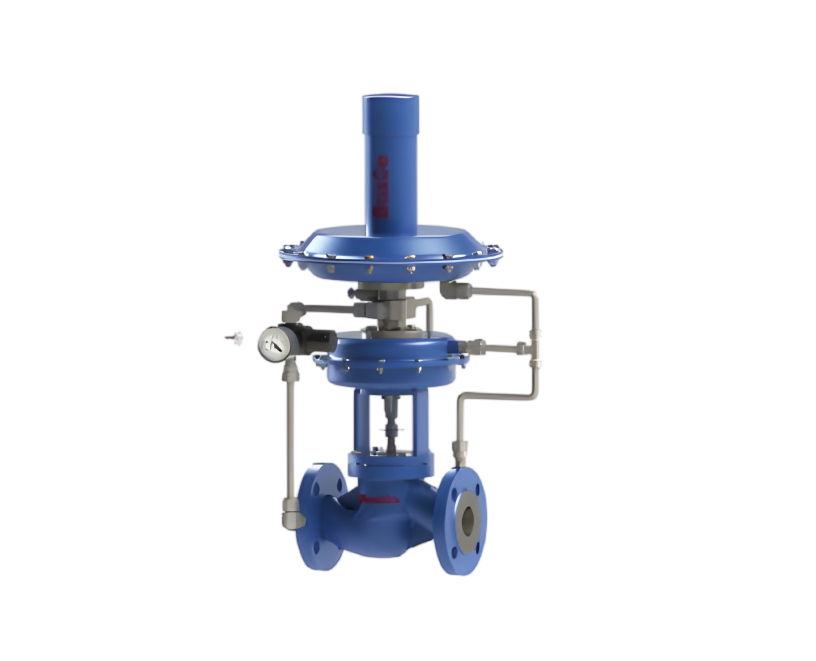
Nitrogen is the most widely used inert gas for blanketing because it combines safety, stability, availability, and cost efficiency. Chemically unreactive and noncombustible, nitrogen forms a protective atmosphere that limits the presence of oxygen—one of the three essential components of combustion. In many production environments, even small exposures to oxygen or humidity can degrade stored materials, trigger corrosion inside tanks, or introduce contaminants that change product specifications. Nitrogen’s neutral behavior and affordability make it the industry standard for large-volume storage tanks.
For sensitive chemicals, oils, solvents, pharmaceutical ingredients, or food-grade liquids, nitrogen blanketing helps extend shelf life and maintain product purity. For highly flammable liquids, it is a frontline defense that drastically reduces ignition risk simply by eliminating oxygen from the environment.
A nitrogen blanketing valve continuously monitors vapor-space pressure inside a storage tank and adjusts nitrogen flow automatically to maintain a defined set point. Its behavior resembles a responsive breathing system, inhaling or exhaling as tank conditions change.
When product is drawn from the tank, or when temperature drops and vapor contracts, the internal pressure decreases. The blanketing valve detects this pressure drop and opens to admit nitrogen. When the vapor space returns to the specified pressure, the valve closes again. Through this cycle, the tank remains slightly pressurized under an inert atmosphere without excessive nitrogen consumption.
This seemingly simple action requires meticulous design. Tank blanketing valves operate at very low pressures—often only a few inches of water column—meaning even minor fluctuations must be controlled with accuracy. The valve must also respond instantly to rapid tank emptying conditions, during which large amounts of nitrogen may be needed to prevent vacuum formation.
Because tanks naturally experience internal pressure changes due to filling, draining, thermal expansion, and barometric variations, the blanketing valve’s responsiveness becomes essential to preventing structural stress and ensuring safe, stable operation.
Tank blanketing systems prioritize maintaining a slight positive pressure within the vapor space—enough to prevent air ingress, but not so high that the tank risks overpressure. This positive pressure creates a gentle outward flow tendency, ensuring that if leaks exist in gaskets or fittings, nitrogen flows out instead of ambient air flowing in. As a result, oxygen and moisture remain outside the tank, and the risk of contamination or chemical reaction is drastically reduced.
This positive pressure also plays a role in controlling evaporation losses. Without blanketing, volatile liquids can vaporize rapidly, especially during thermal swings. Nitrogen reduces vapor-phase concentration gradients and provides a calm, static atmosphere that minimizes product loss and odor emissions.
Nitrogen blanketing valves generally fall into two categories—self-operated and pilot-operated. Each design serves specific process needs based on precision requirements, tank size, and pressure stability expectations.
Self-operated valves use a straightforward mechanical arrangement in which a spring counteracts tank pressure. When tank pressure falls below the spring’s set point, the valve opens. When pressure rises, the valve closes. This simplicity makes self-operated valves cost-effective and dependable for small to medium tanks where extremely tight pressure tolerances are not necessary.
They are well-suited for general storage applications, moderate flow demands, and situations in which tank pressure shifts are gradual rather than abrupt.
Pilot-operated valves use a two-stage control arrangement with a small pilot valve governing the main valve’s movement. This design enables much higher precision, repeatability, and responsiveness. Pilot-operated units maintain stable pressure even in large tanks with high vapor-space volumes or systems requiring rapid nitrogen replenishment during tank unloading or temperature swings.
They also provide tighter control bands, making them preferred for high-value materials, sensitive chemical applications, or processes where minimizing nitrogen consumption is important.

For flammable or combustible liquids, nitrogen blanketing provides a critical layer of fire protection. Combustion requires fuel, oxygen, and an ignition source. In storage tanks, the blanketing system removes oxygen from this equation, keeping concentration levels well below thresholds where combustion can occur.
Even if a spark or static discharge appears—which can happen during product transfer, tank mixing, or instrumentation operations—the reduced oxygen concentration prevents ignition. This is particularly critical for hydrocarbons, solvents, petrochemicals, and any liquid with a low flash point.
In addition, nitrogen blanketing can reduce the formation of explosive vapor/air mixtures during tank maintenance, cleaning, or startup procedures. That stability supports compliance with industry safety standards and helps operators maintain inherently safer storage environments.
Many industrial liquids oxidize when exposed to air. Oils can become rancid, chemicals can degrade, pigments can discolor, and pharmaceutical ingredients can lose potency. Moisture absorption further complicates quality control, particularly for hygroscopic materials or compounds sensitive to water contamination.
A nitrogen atmosphere creates an environment where these oxidation mechanisms are minimized. Materials remain stable, shelf life improves, and the likelihood of product returns or rework decreases. For manufacturers and processors managing tight specifications, blanketing becomes a key contributor to consistent quality.
Companies storing edible oils, resins, adhesives, fine chemicals, and intermediates rely on nitrogen blanketing to maintain both chemical and organoleptic properties. In many cases, blanketing can directly impact profitability by reducing waste and protecting product integrity throughout the storage cycle.

Beyond protecting the stored product, blanketing also protects the storage vessel itself. Oxygen is a catalyst for corrosion, and moisture accelerates it. Tanks, especially those made of carbon steel, are vulnerable to internal corrosion when exposed to oxygen-rich or humid atmospheres.
With nitrogen blanketing, the vapor space remains dry and inert, slowing corrosion processes significantly. This extends the service life of the tank, reduces maintenance frequency, and lowers long-term lifecycle costs associated with repairs, recoating, or replacement.
A nitrogen blanketing valve does not operate in isolation. It functions as part of a broader architecture designed to prevent overpressure, vacuum collapse, ignition hazards, and product loss. For a high-level view of how these devices integrate, refer to our comprehensive tank protection system overview. It is one component of a broader tank protection system that includes pressure-vacuum relief valves, emergency vents, back-pressure regulators, and in some cases flame arrestors. These devices work together to maintain safe operating conditions regardless of process dynamics.
When tank pressure rises due to thermal expansion or operational deviations, pressure-relief valves open to vent excess gas. If internal pressure drops too far and blanketing flow cannot keep up—for example, during rapid pump-out events—vacuum relief devices open to prevent tank collapse.
The blanketing valve’s job is to handle the normal operating window, keeping pressure within the narrow band that ensures product protection without triggering relief equipment unnecessarily.

Blanketing valves must operate at extremely low set pressures, often near atmospheric levels. Maintaining stable pressure at these low set points requires precise internal geometry and sensitive actuation mechanisms. Even minor deviations can lead to nitrogen overconsumption or allow oxygen ingress.
Pilot-operated valves excel in applications that require tight pressure control, quick response to demand surges, or large gas-flow capacities. Self-operated valves, while simpler, still provide reliable performance in applications with moderate precision requirements.
In both cases, proper calibration, installation of sensing lines, and routine inspection are essential for long-term stability.
Correctly sizing a nitrogen blanketing valve is crucial. Undersized valves may not supply enough nitrogen during rapid tank emptying, creating a vacuum threat. Oversized valves can cause unstable control and unnecessary nitrogen use.
Key specification factors include:
Because blanketing valves often control pressures measured in inches of water column while supply pressure may be 100+ psig, internal design must balance these extremes without affecting accuracy.

Nitrogen blanketing is common in:
In each sector, the goals are similar: enhance safety, protect product quality, stabilize storage conditions, and minimize lifecycle costs.
|
Feature |
Self-Operated Valve |
Pilot-Operated Valve |
|
Pressure Control Accuracy |
Moderate |
High |
|
Response Speed |
Adequate for small/medium tanks |
Excellent for large tanks or rapid demand |
|
Complexity |
Simple mechanical design |
More sophisticated two-stage control |
|
Maintenance |
Low |
Moderate |
|
Best For |
General storage, modest precision needs |
High-value materials, tight control, high flow |
|
Cost |
Lower |
Higher but with performance advantages |
A nitrogen blanketing valve is far more than a pressure-control accessory. It is a critical safeguard that protects tanks, products, and personnel. By maintaining a stable inert atmosphere, the valve reduces oxidation, minimizes contamination, prevents fires and explosions, and helps facilities meet rigorous safety and quality standards.
In industries where tank contents fluctuate frequently or where stored liquids are highly sensitive, nitrogen blanketing is a strategic investment. The right valve—properly selected, sized, and installed—creates a safer, more controlled, and more efficient storage environment.

How to Size a Pressure Vacuum Relief Valve According to API 2000
2026-08-18Flame Arrester Guide: Types, Applications, Selection, and Industrial Solutions
2026-08-04Common Causes of Dust Collector Explosions and How to Protect Against Them
2026-07-13BasCo conducts "CPR+AED Emergency Training to Strengthen Workplace Life Safety Defense"
2026-06-18Copyright © Jiangsu Bafang Safety Device Co., LTD. All Rights Reserved