BasCo Engineering Guide / Overpressure Protection
At BasCo, we approach a rupture disk as part of a complete pressure relief system. A blocked outlet, unexpected heat input, or process upset can create pressure beyond normal operating conditions. The device needs to match that scenario, the protected equipment, and the discharge route.
A rupture disk is a non-reclosing pressure relief device that opens when the pressure difference across it reaches its rated bursting condition. It provides a sealed barrier before activation and must be replaced after bursting. The key selection checks are burst pressure at the specified disk temperature, operating margin, material compatibility, holder fit, and relief capacity.
In this guide, we explain the operating principle, compare common designs, and outline the information engineers and buyers should prepare. You can also review four BasCo product options and watch the original working-principle and test videos below.
A rupture disk, also called a bursting disc, is a pressure-sensitive element installed in a compatible holder or specified assembly. It remains intact during normal service and opens irreversibly at its designed bursting condition. The resulting opening provides a path for pressure relief.
The disk responds to differential pressure: upstream pressure minus downstream pressure. Pressure in a discharge header or in the space behind the disk can therefore affect the pressure needed on the process side to activate it. The disk and its holder should be treated as a matched device.
A suitable disk can isolate process media and help control leakage. Sealing performance depends on construction, material, gaskets, and installation.
The pressure difference acts on the element itself. Opening behavior depends on the selected design and service conditions.
After activation, the disk remains open. Replacement and investigation of the event are part of restoring the system to service.
The manufacturer controls the disk's material, geometry, and construction to achieve specified burst behavior. In a forward acting metal disk, process pressure normally loads the concave side and places the dome in tension. In a reverse acting design, pressure loads the convex side, causing the dome to buckle before the intended opening mechanism takes effect.
Scoring or other design features can guide opening. Do not assume every disk creates the same opening area, is non-fragmenting, or is suitable for both gas and liquid. Those characteristics must be checked for the exact product and configuration.
Operating pressure describes normal service, including relevant peaks and cycles. Burst pressure describes the activation condition at a specified disk temperature. The allowable operating ratio and its reference pressure are product-specific; there is no single percentage that applies to all rupture disks.
| Parameter | Meaning | Selection implication |
|---|---|---|
| Operating pressure | Normal range, transient peaks, and cycling profile. | Check against the selected model’s allowable operating ratio and service conditions. |
| Specified burst pressure | The requested bursting condition for the application. | Coordinate with the equipment pressure limits and governing relief design requirements. |
| Marked burst pressure | The pressure identified on the supplied disk at its specified temperature. | Review the supplied marking and records rather than relying only on the purchase request. |
| Burst tolerance | Permitted variation in bursting performance around the marked value. | Account for the applicable limits when assessing activation and operating margin. |
| Manufacturing design range | The agreed range within which the marked burst pressure may fall. | Keep this separate from burst tolerance when reviewing a quotation or replacement. |
| Specified disk temperature | Expected temperature of the disk at activation. | Do not substitute vessel design temperature or normal fluid temperature without review. |
| Back pressure and vacuum | Pressure acting from the downstream side or reverse differential loading. | Confirm resistance to these conditions as well as their effect on activation. |
For a closer look at ordering terminology, read our guide to rupture disk burst pressure and tolerance.
We start with the process conditions before narrowing the design. Pressure cycling, media phase, corrosion, vacuum, back pressure, and the required opening characteristics all influence the shortlist. A family name alone does not establish suitability.
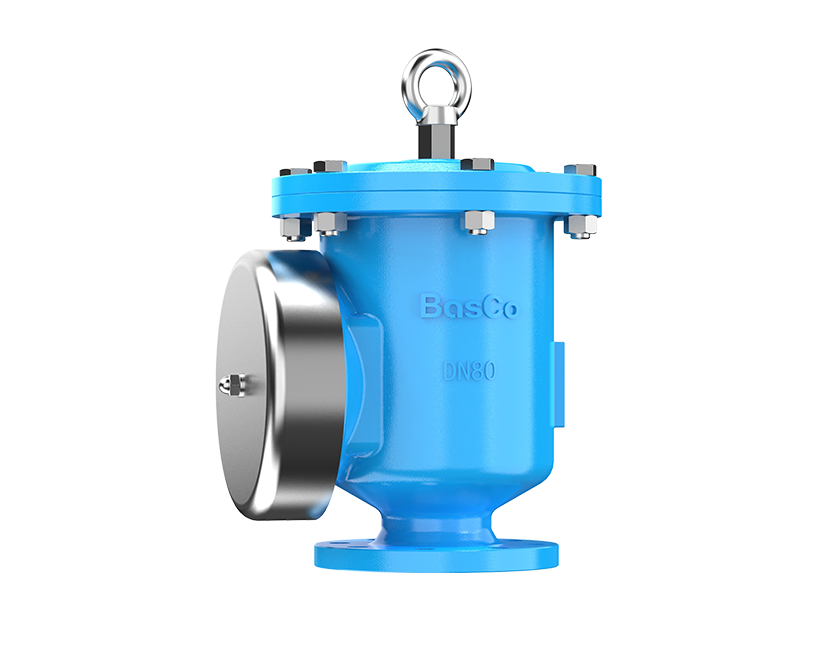
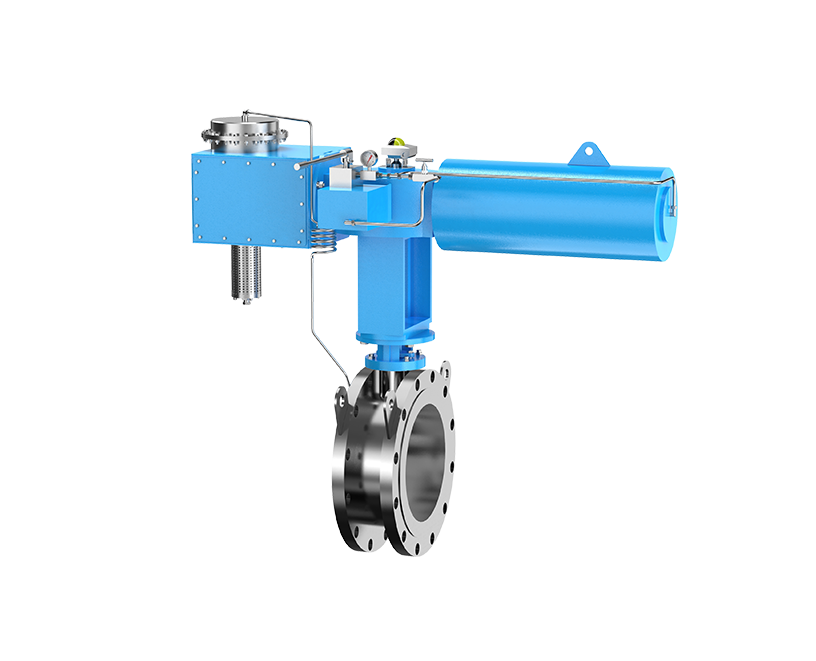
Explore the original four product options below. The cards link to the corresponding product pages for model details and application discussions.
| Design | How it differs | What to verify |
|---|---|---|
| Forward acting scored | Pressure loads the concave side; scoring guides the intended opening. | Allowable operating ratio, cycling duty, liquid or gas suitability, and fragmentation behavior. |
| Flat composite | A multi-layer assembly can separate strength and sealing functions. | Compatibility of every exposed layer, assembly orientation, and support requirements. |
| Reverse acting scored | Pressure loads the convex side and triggers buckling and opening. | The exact model’s operating limits, media suitability, and opening requirements. |
| Low-pressure / bidirectional | Special constructions address low activation pressures or specified relief in two directions. | Each direction’s rating, allowable differential loads, and required holder arrangement. |
| Graphite | A brittle material option for certain chemical and pressure conditions. | Chemical compatibility, handling, temperature limits, and fragment management. |
Our forward acting vs. reverse acting rupture disk guide explains the comparison in more detail. For corrosion-sensitive service, also review rupture disk material selection; the sealing layer and other wetted parts matter alongside the main disk material.
Share the media, pressure range, expected disk temperature, and installation arrangement. We can discuss which BasCo product options should be reviewed for your application.
The main difference is what happens after activation. A rupture disk opens permanently; a safety relief valve is designed to reclose when pressure falls. Both need appropriate sizing and a suitable discharge system. Neither should be selected solely because its connection fits the existing nozzle.
| Consideration | Rupture disk | Safety relief valve |
|---|---|---|
| Activation | The pressure-sensitive element ruptures. | A valve mechanism opens under specified conditions. |
| After relief | Remains open and requires disk replacement. | Designed to reclose; inspection or servicing may still be needed. |
| Process isolation | Can provide a sealed barrier when correctly specified and installed. | Seat leakage performance depends on valve design, condition, and service. |
| Maintenance | Inspect the assembly and follow a defined replacement strategy. | Inspect and test according to the valve and plant requirements. |
| Combined use | Can isolate a relief valve from process media. | Combined capacity and compatibility must be checked for the installed arrangement. |
A disk can help isolate a valve from corrosive, sticky, or contamination-sensitive media. However, the designer must address pressure trapped between the devices, the disk’s opening characteristics, and the capacity of the combination. Do not assume the valve’s standalone rated capacity is unchanged by adding a disk.
Read our rupture disk vs. pressure relief valve guide for a more detailed selection discussion.
Rupture disks are used on pressure vessels, reactors, heat exchangers, and process piping where the identified relief scenario and equipment requirements justify them. Chemical processing, oil and gas, and pharmaceutical manufacturing can present very different challenges. The industry label is only a starting point.
A high pressure reactor may require evaluation of gas generation, blocked discharge, or a runaway reaction. Reactive and two-phase relief cases need appropriate process and sizing methods. Selecting a burst pressure alone does not establish adequate relief capacity.
Trapped liquid expansion, utility-side failures, and process contamination concerns can affect device selection. In hygienic applications, review cleanability, sealing materials, connection design, and the applicable validation requirements. A sealed disk by itself does not establish a sterile assembly.
Storage equipment requires its own pressure and vacuum assessment. A rupture disk is not automatically a substitute for routine tank breathing or vacuum relief equipment. See our chemical and petrochemical rupture disk applications guide for further context.
The following video provides a visual reference for disk activation. It supports discussion of the mechanism; application approval still depends on the specified configuration and supporting records.
We recommend reviewing the entire path from the protected equipment to the discharge destination. The disk must operate within its service limits and provide the capacity needed for the governing relief scenario. Connection diameter and burst pressure are necessary inputs, but they are not a complete selection.
A larger nominal connection does not prove that the system has sufficient relief capacity. The disk opening, flow resistance, upstream and downstream piping, and any associated valve all influence the final assessment.
Use our rupture disk selection guide for a more detailed review. For demanding media or temperature conditions, see selection for high-temperature or corrosive media.
A correctly specified disk can still be compromised by handling or assembly errors. Follow the instructions for the supplied disk and holder, including the flow direction, mating surfaces, seals, fastener sequence, and torque. Do not transfer an unverified torque value from a different assembly.
After activation, make the equipment safe, investigate the cause, inspect the holder and relief path, and install the specified replacement before restart. Never patch, reuse, or substitute an unapproved disk. Our guide to common rupture disk failure modes covers further troubleshooting considerations.
The applicable requirements depend on the installation location, equipment code, and project specification. ASME pressure equipment requirements, relevant ISO standards, and regional conformity requirements may be part of that review. Confirm the applicable editions and the documentation required for the specific supplied assembly.
A general reference to a standard does not establish certification of every product or configuration. Check the required marking, manufacturer documentation, and scope of any claimed certification. See our rupture disk standards guide for an introduction.
For the manufacturing perspective, read full-process quality control for rupture discs.
A useful RFQ describes both the process and the installation. If a value is still being reviewed, identify it as pending. This helps us distinguish confirmed requirements from assumptions before discussing a product configuration.
| Information | What to provide | Why it matters |
|---|---|---|
| Equipment and relief case | Protected equipment, pressure limits, relief scenario, and required capacity if established. | Defines the protection duty and sizing basis. |
| Pressure conditions | Normal and maximum operating pressures, cycling, requested burst pressure, and pressure basis. | Supports activation and operating-margin review. |
| Temperature conditions | Normal process temperature, upset conditions, and expected disk temperature at bursting. | Supports the specified burst condition. |
| Media and exposure | Composition, phase, solids, corrosion concerns, cleaning chemicals, and hygienic requirements. | Supports construction and material selection. |
| Downstream conditions | Header pressure, back pressure, vacuum, and discharge arrangement. | Identifies differential pressure and reverse-loading requirements. |
| Mechanical arrangement | Size, flange specification, holder details, available space, and drawings. | Supports a compatible installed assembly. |
| Valve combination | Valve model, set pressure, capacity information, and arrangement where applicable. | Supports combined-device and relief-path review. |
| Supply and documents | Quantity, spare disks, required records, project specification, and delivery needs. | Aligns the quotation with procurement and maintenance requirements. |
Send BasCo your application data, existing disk markings, and holder details if this is a replacement. Include the relief arrangement so we can discuss the product and documentation scope together.
No. It is a non-reclosing, single-use element. Investigate the event and replace the disk with the approved specification before returning the system to service.
No. Some reverse acting designs support demanding pressure cycling or higher operating ratios, but suitability depends on the exact model, media, burst conditions, and assembly.
No. Resistance to reverse pressure is different from opening to relieve vacuum. Confirm whether the selected device is rated for the required loading and relief direction.
No. Temperature, media, operating conditions, holder compatibility, relief capacity, and the downstream system are also needed. Start with the RFQ checklist above.
There is no universal interval. Follow the manufacturer’s instructions and the plant maintenance strategy, taking account of corrosion, pressure cycling, temperature exposure, inspection findings, and service history.
Use our rupture disk products and engineering guides to move from this introduction to detailed selection topics. Keep the approved process data, supplied device specification, and maintenance records together for future replacement enquiries.

Where Are Rupture Disks Used in Chemical and Petrochemical Plants?
2026-09-21Burst Pressure Tolerance Explained: How Accurate Are Rupture Disks?
2026-09-16Full-Process Quality Control for Rupture Discs
2026-09-01Rupture Disk Selection Guide: How to Choose the Right Type, Pressure, Material, and Size
2026-08-25Copyright © Jiangsu Bafang Safety Device Co., LTD. All Rights Reserved