

Biogas systems are becoming an essential part of modern waste treatment and renewable energy infrastructure. From wastewater treatment plants to agricultural digesters and landfill gas recovery systems, biogas facilities rely on controlled methane production to generate energy. However, whenever methane-rich gas is collected, stored, or transported through pipelines, the risk of ignition and flame propagation becomes a serious engineering concern.
In my experience working with gas handling systems, flame arresters are one of the most critical but frequently misunderstood safety devices in biogas plants. Properly selected flame arresters prevent flame fronts from traveling through pipelines and reaching digesters, gas holders, or storage vessels. The right selection depends on gas composition, methane concentration, pipeline geometry, and installation location. When these factors are evaluated correctly, flame arresters become a highly reliable safeguard against flashback and explosion hazards in biogas infrastructure.
In the sections below, I’ll walk through the engineering principles behind flame arresters, explain why biogas systems require them, and outline the practical selection criteria engineers use when designing safe digester gas systems.
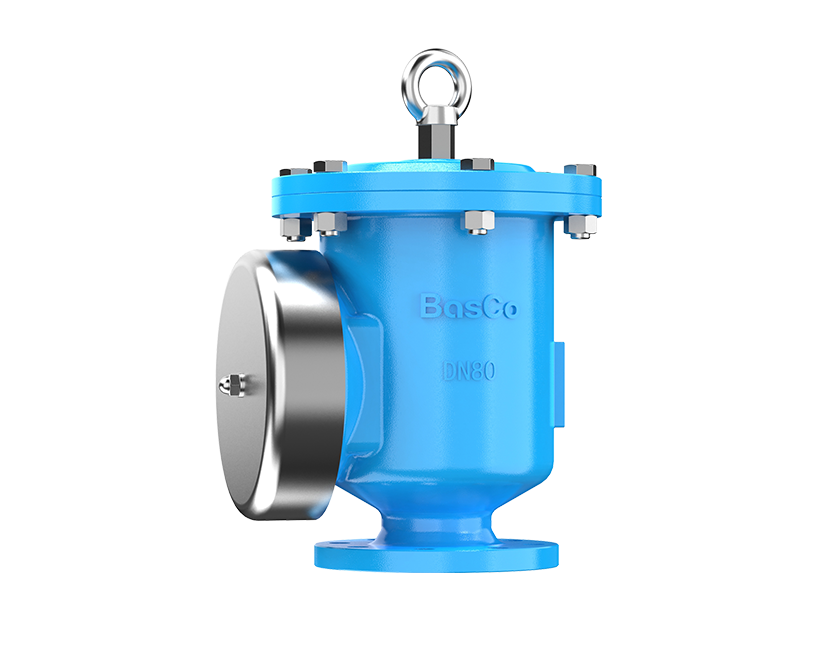
A flame arrester is a passive safety device designed to stop flames from propagating through gas pipelines or vent systems. It allows gases to flow normally during operation while preventing flame fronts from traveling beyond the device.
The operating principle relies on heat absorption and flame quenching. Inside the arrester is a metal element—typically composed of tightly packed channels or crimped metal ribbons—that dissipates heat from a flame front. When a flame enters the arrester, the metal element absorbs thermal energy and reduces the temperature below the ignition point of the gas mixture.
Once the flame temperature falls below the combustion threshold, the flame cannot continue propagating through the pipeline.
This simple principle has made flame arresters a fundamental component of industrial safety systems across many industries including petrochemical plants, tank farms, and increasingly, renewable energy facilities such as biogas plants.

Biogas systems handle combustible gas mixtures that can ignite under the right conditions. When methane mixes with oxygen in the correct ratio, the mixture becomes highly flammable and capable of rapid flame propagation.
In closed digester systems, ignition sources can originate from several locations such as flare stacks, compressors, electrical equipment, or maintenance activities. Without proper protection, a flame originating downstream could travel back through the gas pipeline and reach the digester vessel itself.
This scenario is commonly referred to as flashback.
A flame arrester prevents this by stopping the flame front before it reaches sensitive equipment such as digesters or gas holders.
The exact composition of biogas varies depending on feedstock and digestion conditions, but the gas mixture generally contains several key components.
Methane is the primary combustible component and typically represents 50–70% of the gas. Carbon dioxide makes up a significant portion of the remaining volume and acts as an inert component that reduces the energy density of the gas.
Other minor components may include hydrogen sulfide (H₂S), water vapor, and trace organic compounds.
|
Component |
Typical Range |
Engineering Impact |
|
Methane (CH₄) |
50–70% |
Main combustible gas |
|
Carbon dioxide (CO₂) |
30–50% |
Reduces calorific value |
|
Hydrogen sulfide (H₂S) |
0–3% |
Causes corrosion |
|
Water vapor |
Variable |
Leads to condensation |
Hydrogen sulfide is particularly important in equipment design because it can accelerate corrosion of metal components, including flame arrester elements.
Methane becomes flammable when mixed with air within a specific concentration range. This range is known as the flammability limits.
For methane, the lower explosive limit (LEL) is approximately 5% and the upper explosive limit (UEL) is around 15%. When methane concentrations fall within this range and an ignition source is present, combustion can occur.
In pipeline systems, ignition may occur at flare stacks, burners, or equipment failures. Once ignition occurs, the flame front can propagate through the gas stream unless a flame arrester interrupts it.
Different types of flame arresters are designed for different installation locations and explosion scenarios. Choosing the correct type depends on the pipeline configuration and the level of explosion risk.
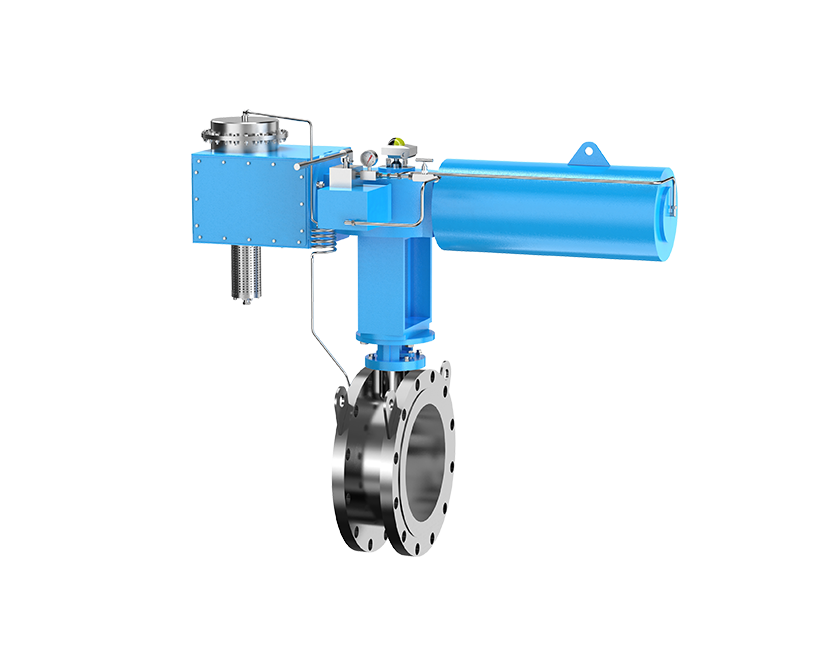
Inline flame arresters are installed directly within gas pipelines.
They are commonly used in biogas transport lines between digesters, gas storage systems, compressors, or upgrading equipment. These arresters are designed to handle continuous gas flow while preventing flame propagation along the pipeline.
End-of-line arresters are typically installed at vent outlets or exhaust points.
These devices protect open discharge systems such as flare stacks or atmospheric vents. Their primary function is to prevent external flames from entering the pipeline system.
In some high-risk installations, flame propagation may accelerate into a detonation wave. Detonation arresters are specifically engineered to withstand these higher pressure and velocity conditions.
These devices are typically used in long pipelines where flame acceleration may occur.
|
Type |
Typical Location |
Protection Level |
|
Inline flame arrester |
Gas pipelines |
Deflagration protection |
|
End-of-line arrester |
Vent outlets |
External flame protection |
|
Detonation arrester |
Long pipelines |
High-energy explosion protection |

Selecting the correct flame arrester requires evaluating several engineering parameters. In practice, the selection process often begins with understanding the gas characteristics and system configuration.
Gas composition directly influences the combustion characteristics of the system.
Higher methane concentrations increase the energy of the flame front, which may require arresters with tighter element gaps or higher thermal capacity. The presence of hydrogen sulfide may also require corrosion-resistant materials such as stainless steel.
Material compatibility becomes particularly important in biogas plants because long-term exposure to H₂S can degrade internal components.
The flow rate of the gas and the diameter of the pipeline determine the size and pressure drop of the flame arrester.
An undersized arrester can create excessive pressure drop in the gas system, which may reduce efficiency or affect digester operation. Conversely, oversized units may not provide optimal flame quenching performance.
Engineers typically match the arrester size to the pipeline diameter and design flow rate to maintain proper system performance.
Proper installation location is just as important as selecting the correct device.
In most biogas plants, flame arresters are installed at key points where ignition risk exists or where equipment requires protection.
Common installation locations include the outlet of the digester, the inlet of gas storage systems, and pipelines leading to flare stacks.
|
Location |
Purpose |
|
Digester outlet |
Protect digester from flashback |
|
Gas holder inlet |
Prevent flame entering storage |
|
Flare line |
Stop flame propagation from flare |
Biogas often contains hydrogen sulfide and moisture, both of which can create corrosive environments.
Flame arrester elements must therefore be constructed from materials that resist corrosion over long operating periods. Stainless steel is commonly used because it provides good durability under these conditions.
Without proper corrosion resistance, the arrester element may degrade and lose its ability to effectively quench flames.
Several international standards govern the design and testing of flame arresters.
Standards such asISO/ICE80079-49 define testing procedures and performance requirements for flame arrester devices. In Europe, ATEX certification is often required for equipment used in explosive atmospheres.
Compliance with these standards ensures that the device has been tested for real explosion scenarios and provides reliable protection.
In most modern biogas plants, flame arresters are installed at multiple points within the gas handling system. The goal is to prevent flame propagation between major system components.
A typical biogas system includes digesters, gas storage tanks, compressors, and flare stacks. Each of these components may require protection depending on the system configuration.
For example, a flame originating at a flare stack could travel back through the gas pipeline toward the digester if no arrester is installed. Similarly, ignition occurring within a compressor system could propagate into upstream equipment.
Proper placement of flame arresters ensures that a flame front cannot travel between these sections of the system.
Even though flame arresters are passive devices, they require periodic inspection to ensure continued performance.
Over time, debris, corrosion, or condensate buildup can affect the performance of the arrester element. Regular inspection helps ensure that the element remains clean and unobstructed.
Cleaning procedures typically involve removing the element and flushing deposits from the metal channels. In environments with high hydrogen sulfide levels, inspections may need to occur more frequently due to corrosion risks.
Preventive maintenance helps ensure that the arrester will function correctly in the event of an ignition incident.
In biogas plants, flame arresters play a critical role in preventing explosions and protecting essential equipment such as digesters, gas holders, and flare systems. Although the device itself appears simple, selecting the correct type requires careful evaluation of gas composition, pipeline configuration, and explosion risk.
From my perspective, the most successful biogas projects are those where flame arrester selection is integrated into the system design from the beginning. Considering factors such as methane concentration, pipeline length, installation location, and corrosion resistance helps ensure that the chosen device will perform reliably over the long term.
Manufacturers such as BASCO that specialize in engineered flame arrester solutions typically design their equipment to meet the demanding conditions found in biogas plants, helping operators maintain safe and efficient gas handling systems.
Inline or detonation flame arresters are commonly used depending on the pipeline length and explosion risk.
Yes. If methane mixes with air within flammable limits and an ignition source is present, combustion or explosion can occur.
Inspection frequency depends on operating conditions but is typically performed annually or during scheduled plant maintenance.
Yes. Flame arresters are often installed in flare lines to prevent flames from traveling back into gas pipelines.
Common standards includeISO/ICE80079-49, ATEX directives in Europe, and other regional explosion protection regulations.

Where Are Rupture Disks Used in Chemical and Petrochemical Plants?
2026-09-21Burst Pressure Tolerance Explained: How Accurate Are Rupture Disks?
2026-09-16Full-Process Quality Control for Rupture Discs
2026-09-01Rupture Disk Selection Guide: How to Choose the Right Type, Pressure, Material, and Size
2026-08-25Copyright © Jiangsu Bafang Safety Device Co., LTD. All Rights Reserved