

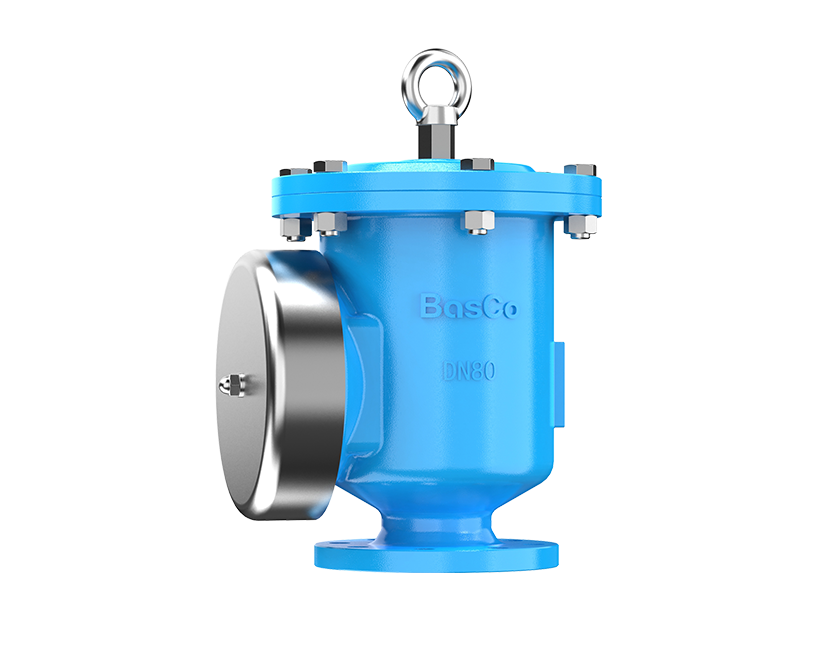

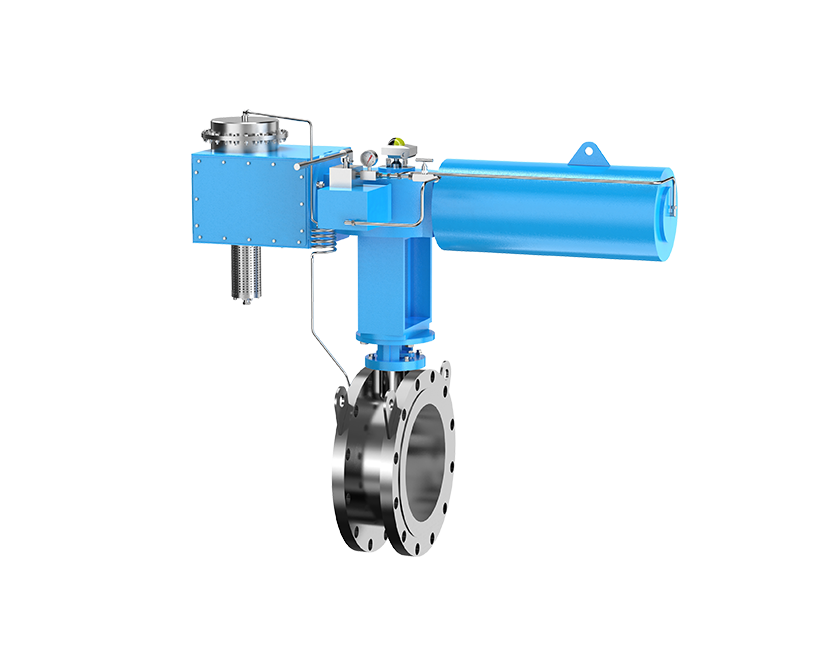










In storage tank systems, most operators pay close attention to overpressure protection, but vacuum protection is often underestimated. Over the years, I’ve seen several cases where tanks were severely damaged not by excessive internal pressure, but by vacuum conditions created during normal operations. In many situations, the pressure differential required to deform a tank is surprisingly small, especially in atmospheric or low-pressure storage systems.
From my experience as a BASCO engineer working on industrial tank venting systems, a vacuum relief valve is one of the most critical components for protecting tanks and vessels against inward pressure collapse. Unlike pressure relief devices that release excess internal pressure, vacuum relief valves allow air or gas to enter the system when internal pressure drops below safe operating limits. The real engineering challenge is not simply opening the valve during vacuum conditions, but ensuring that airflow capacity, vent line resistance, and system dynamics are correctly matched to the tank’s operating behavior. Poor vacuum protection design can lead to tank deformation, unstable venting, excessive emissions, or complete structural collapse.
In this article, I’ll explain how vacuum relief valves work, why vacuum forms inside tanks, how API 2000 affects venting calculations, and how we approach sizing and selection in real industrial applications.
What Is a Vacuum Relief Valve?
A vacuum relief valve is a mechanical venting device designed to protect tanks and vessels from excessive vacuum conditions.
When internal pressure drops below the configured vacuum set point, the valve opens automatically and allows atmospheric air or inert gas to enter the system. Once pressure returns to a safe range, the valve closes again.
From an engineering standpoint, the valve protects the tank from inward structural stress caused by pressure imbalance.
In practical applications, vacuum relief valves are commonly used on atmospheric storage tanks, process vessels, tank vent systems, and vapor recovery systems.
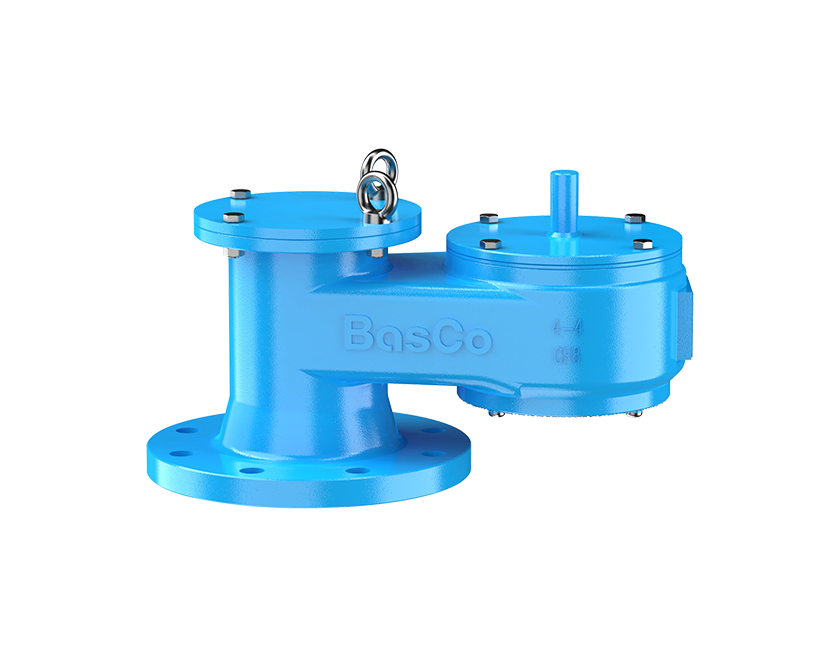
BasCo Vacuum Relief Valve
How Does a Vacuum Relief Valve Work?
A vacuum relief valve operates by monitoring the pressure difference between the inside of the vessel and the surrounding atmosphere.
Under normal conditions, the valve remains closed to maintain process integrity and minimize unnecessary airflow. Once internal pressure drops below the configured vacuum setting, the valve opens automatically.
How Does Vacuum Form Inside a Tank?
Vacuum conditions occur whenever vapor volume inside the tank decreases faster than replacement air can enter.
One of the most common causes is thermal contraction. When vapor cools, it contracts and reduces internal pressure.
Pump-out operations can also create vacuum conditions. As liquid leaves the tank, vapor space increases rapidly. If air intake is restricted, internal pressure decreases and vacuum develops.
From my experience, vacuum formation often occurs gradually, making it easy for operators to underestimate the structural risk until visible tank deformation appears.
How Does the Air Intake Mechanism Work?
Once the vacuum set point is reached, the valve pallet opens inward and allows atmospheric air or process gas to enter the tank.
This airflow balances internal pressure and prevents excessive inward loading on the tank shell.
In real systems, airflow performance is heavily influenced by vent piping restrictions, flame arresters, and inlet resistance. This is why airflow capacity calculations are critical during valve selection.
Why Do Tanks Need Vacuum Protection?
Many atmospheric tanks are designed to handle only very small pressure differentials.
In practice, it often takes surprisingly little vacuum pressure to deform a tank roof or shell.
How Does Thermal Contraction Create Vacuum Conditions?
Thermal contraction occurs when vapor temperature decreases inside the tank.
During nighttime cooling or sudden weather changes, vapor contracts and internal pressure drops.
If air cannot enter the tank quickly enough, vacuum conditions develop progressively.
From my experience, thermal breathing is one of the most underestimated causes of tank vacuum formation.
Why Are Pump-Out Conditions Dangerous?
Pump-out conditions occur when liquid is removed from the tank faster than replacement air enters.
As vapor space increases, pressure decreases rapidly.
If venting capacity is insufficient, the tank can experience severe inward loading.
In large storage systems, high pump-out flow rates can create vacuum conditions very quickly.

From esitechgroup.com
What Is the Difference Between a Vacuum Relief Valve and a PVRV?
This is one of the most common questions we receive from customers at BASCO.
A vacuum relief valve only protects against vacuum conditions. A pressure vacuum relief valve (PVRV), however, provides both pressure relief and vacuum relief functions within a single assembly.
From an engineering perspective, the selection depends on system operating requirements and venting philosophy.
In systems where both positive and negative pressure conditions occur, a PVRV is often preferred.
| Feature | Vacuum Relief Valve | PVRV |
| Vacuum protection | Yes | Yes |
| Pressure relief | No | Yes |
| Typical application | Vacuum-only systems | Tank breathing systems |
| Venting function | Inward airflow | Inward and outward flow |
Where Are Vacuum Relief Valves Typically Used?
Vacuum relief valves are used in many industrial systems where internal pressure can fall below atmospheric pressure.
Why Are Vacuum Relief Valves Used on Storage Tanks?
Storage tanks experience continuous thermal breathing and transfer operations.
Vacuum relief valves protect against structural damage during cooling and pump-out conditions.
Why Are Vacuum Relief Valves Used on Process Vessels?
Process vessels often experience rapid pressure fluctuations due to temperature changes or process dynamics.
Vacuum protection prevents vessel deformation and maintains process stability.
Why Are Vacuum Relief Valves Important in Tank Vent Systems?
Tank vent systems rely on balanced airflow to maintain stable operating pressure.
Without adequate vacuum venting, restrictions in the vent system can cause vacuum accumulation and unstable breathing behavior.
How Does API 2000 Affect Vacuum Venting Design?
API 2000 is one of the most important standards governing atmospheric tank venting systems.
The standard defines venting requirements for both pressure and vacuum conditions.
What Does API 2000 Consider During Vacuum Sizing?
API 2000 considers operating conditions such as thermal contraction, pump-out rates, vapor space behavior, and vent line resistance during vacuum vent sizing.
From my experience, identifying the governing vacuum scenario is critical for accurate sizing.
Why Does Vent Line Restriction Matter?
Vent piping, flame arresters, elbows, and reducers all create airflow resistance.
This resistance reduces effective venting performance and increases vacuum accumulation risk.
In practical systems, vent line restriction is often the dominant factor affecting vacuum valve behavior.
What Factors Should Be Considered When Selecting a Vacuum Relief Valve?
Selection should always begin with understanding the complete tank operating conditions.
How Does Set Vacuum Affect Selection?
Set vacuum determines when the valve begins to open.
The selected value must remain within the allowable vacuum limits of the tank design.
Why Is Flow Capacity Critical?
The valve must provide sufficient airflow during worst-case vacuum conditions.
Insufficient capacity can lead to severe tank deformation or collapse.
How Does Material Selection Affect Reliability?
Material compatibility is especially important in corrosive or outdoor environments.
In many chemical and coastal applications, stainless steel construction is preferred to improve long-term reliability.
Why Does Pressure Drop Matter?
Pressure losses through vent piping and flame arresters affect the actual pressure experienced at the valve.
From an engineering standpoint, pressure drop must always be evaluated as part of the total venting system.
| Parameter | Engineering Impact |
| Set vacuum | Defines opening point |
| Flow capacity | Determines airflow performance |
| Material | Influences corrosion resistance |
| Pressure drop | Affects venting efficiency |
| Tank operating conditions | Governs sizing requirements |
What Are the Most Common Problems and Mistakes?
One of the most common mistakes is underestimating how easily atmospheric tanks can collapse under vacuum conditions.
I’ve also seen systems where vent line restrictions were added without recalculating airflow resistance. This often reduces effective venting capacity below required levels.
Another frequent issue is improper valve sizing during high pump-out operations.
Maintenance is also critical. Corrosion, contamination, and sticking valve pallets can significantly reduce vacuum protection performance.
How Should Engineers Request a Vacuum Relief Valve Quote?
From my experience at BASCO, the quality of the RFQ directly affects selection accuracy.
The most important information includes tank operating pressure, vacuum limits, flow requirements, fluid characteristics, and vent piping configuration.
Environmental conditions, corrosion concerns, and flame arrester integration should also be identified during the quotation stage.
When engineers provide complete operating data early in the project, sizing accuracy and system reliability improve significantly.
Conclusion
Vacuum relief valves play a critical role in protecting atmospheric tanks and process vessels from inward structural failure caused by vacuum conditions.
From my experience at BASCO, successful vacuum protection design depends on understanding how vacuum actually develops inside the system. Thermal contraction, pump-out conditions, vent line restrictions, and airflow dynamics all influence valve performance in real-world operation.
For engineers and operators, selecting the correct vacuum relief valve is ultimately about designing a balanced, reliable, and properly sized tank venting system for long-term safety and operational stability.