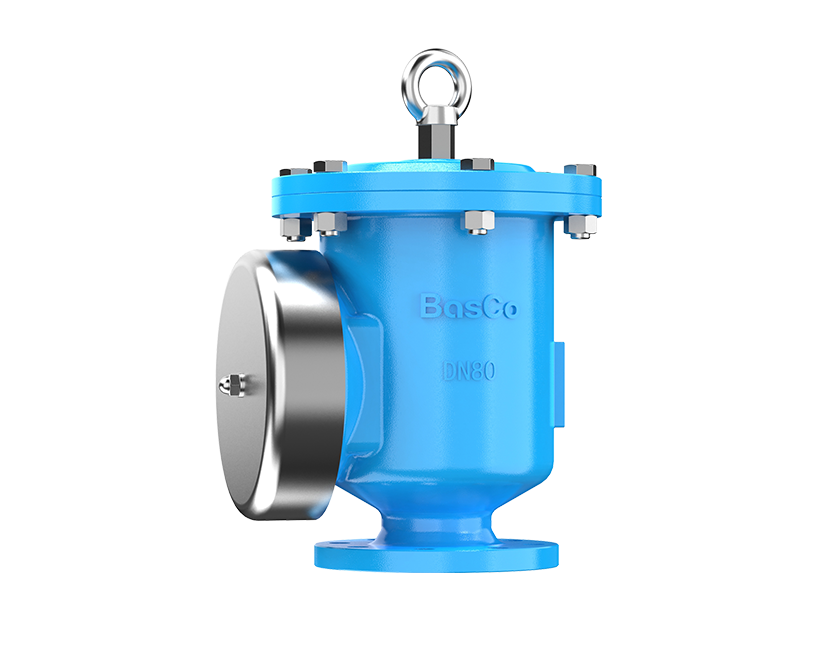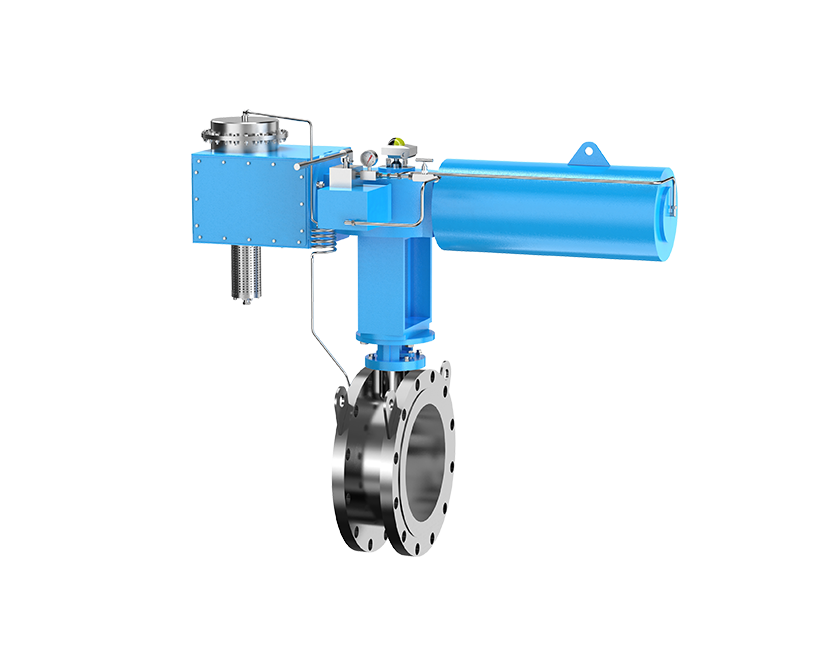


Flame arresters are essential safety devices that stop flames from spreading into equipment, pipelines, or tanks containing flammable gases, vapors, or liquids. They serve as a barrier to prevent explosions by stopping flames before they reach fuel systems or process equipment. These devices are used in places like tank farms, pipeline networks, solvent recovery systems, and biogas digesters to protect assets, workers, and keep production running smoothly. Because they are so important, engineering and procurement teams need to understand both how they perform and what affects their price. Unlike standard valves or fittings, flame arresters are specially engineered and certified safety systems, and their price reflects their performance and regulatory requirements. Knowing what influences cost helps buyers make safe, informed choices while getting good value.
Industrial buyers often see that flame arrester prices vary widely, from a few hundred dollars for basic vent devices to over $80,000 for large, detonation-rated units. These price differences are based on factors like engineering complexity, certification needs, materials, how severe the application is, system pressure and flow, and expected performance over time. This article covers the main reasons for these price differences, typical price ranges, and tips for getting the best and most accurate quote without sacrificing safety or compliance.

3.1.1 End-of-Line Flame Arresters
End-of-line arresters are placed at tank and vessel vents to protect against flames from the atmosphere. They are the most affordable type, usually costing between $200 and $8,000 depending on size, material, and certification. These arresters are common in tank farms, chemical storage, and transfer systems. Because they have simpler requirements, they are less complex to engineer, but it is still important to choose the right type and certification to meet compliance and insurance needs.
3.1.2 Inline Deflagration Arresters
Inline deflagration flame arresters stop slower-moving flames in pipelines, where flames can speed up and pressure can increase quickly. These units usually cost between $800 and $30,000 because they are more complex. Their design includes features for absorbing heat, optimizing flow, and being strong enough to handle pressure surges. They are used in fuel vapor lines, solvent recovery pipes, and process gas systems where flames move faster than in open air.
3.1.3 Inline Detonation Arresters
Detonation arresters are the highest-performing type and are built to stop very fast explosion waves and handle sudden pressure spikes. They typically cost between $2,500 and $80,000 or more, depending on pipe size and certification. These arresters are used in the most demanding industrial settings, such as hydrogen distribution, petrochemical plants, LNG terminals, and systems with explosive solvents, where the risk of fast-moving flames and explosions requires advanced engineering.
|
Type |
Typical Price Range (USD) |
|
End-of-Line Flame Arrester |
$200 – $8,000+ |
|
Inline Flame Arrester |
$500 – $50,000+ |
|
Deflagration Flame Arrester |
$800 – $30,000+ |
|
Detonation Flame Arrester |
$2,500 – $80,000+ |
|
Tank Breather / Vent Arrester |
$300 – $10,000+ |
|
Hydrogen-Rated Flame Arrester |
$1,500 – $100,000+ |

Pipe size is a major factor in price. A one-inch arrester costs much less than a twelve-inch one, not because of performance, but because larger sizes need more materials, longer machining time, and are harder to make. High-flow models also need carefully designed parts to keep pressure drop low while still stopping flames. Bigger sizes require stronger housings, reinforced flame elements, and more testing, which all add to the cost.
|
Pipe Size |
Typical Cost Impact |
|
1"–2" |
Low cost |
|
3"–4" |
Moderate |
|
6"–12"+ |
High cost — exponential increase |
Material selection directly affects lifespan and cost. Standard options include:
▪ Carbon Steel–Cost-effective for mild conditions
▪ Stainless Steel 304 / 316–Standard for corrosion resistance in chemicals and fuel vapors
▪ Duplex Stainless Steels–High-strength, corrosion-resistant premium
▪ Exotic Alloys (Hastelloy, Monel, Inconel)–For aggressive media or hydrogen service
Upgrading materials is sometimes needed, but each upgrade raises the price because of higher metal costs, harder machining, and higher performance standards. Choosing the right alloy for the conditions is important to prevent early failure and extra costs.
|
Material |
Impact on Price |
|
Carbon steel |
Lowest cost |
|
Aluminum |
Low to mid range |
|
304 Stainless Steel |
Mid-range |
|
316L Stainless Steel |
Higher |
|
Duplex / Super Duplex |
Premium |
|
Hastelloy, Monel, Inconel |
Highest |

Flame arresters have to meet strict global standards like ATEX, IECEx, UL, FM, ISO 16852, and EN 12874. Getting certified means passing advanced tests such as explosion simulations, flame-quenching checks, heat transfer modeling, and having traceable manufacturing controls. Meeting these standards adds engineering and lab costs, but it ensures the product works as required and is legally approved. In regulated industries, uncertified products are not allowed and can cause insurance and safety problems. Certified units show proven reliability and compliance, making them worth the extra cost.
For readers who want to understand how flame arresters fit within the broader architecture of tank venting, PVRVs, emergency vents, and explosion-prevention systems, you may also refer to the Complete Engineering Guide to Tank Venting & Explosion Protection, which provides a unified overview of how all these devices work together to meet safety and certification requirements.
Operating environment influences engineering and pricing. Variables include:
▪ Gas or vapor characteristics
▪ Temperature and pressure
▪ Hazard classification zone
▪ Permitted pressure drop
▪ Condensate or fouling risk
▪ Corrosive or particulate-laden flow
Hydrogen, solvent vapors, biogas, and oxygen-rich systems all have different flame speeds and ignition properties. This means they need carefully designed flame cells and special engineering. Higher performance means higher cost, but it also gives a better safety margin.
Some arresters are made for easy maintenance, with features like removable cartridges, quick-release covers, anti-fouling cells, and cleaning ports. These features make the initial price higher, but they lower downtime, labor, and cleaning needs over the years. In places like refineries or bio-energy plants that run all the time, easier maintenance can save a lot of money. When choosing a flame arrester, consider the total cost over its life, not just the purchase price.

Well-known industrial brands spend on engineering, quality manufacturing, and good service, which is reflected in their prices. Buyers benefit from technical support, help with installation, certified documents, spare parts, and warranties. Cheaper or lesser-known suppliers may offer lower prices, but they often cannot provide the same long-term support or detailed documentation. For facilities that face compliance checks and risk assessments, having a reliable vendor is a real advantage, not just a nice extra.
Standard models that are kept in stock offer the best prices and fastest delivery. Custom units, such as those with special flanges, high-temperature features, exotic alloys, or unique cell designs, take longer to make and cost more because of extra design, welding, and testing. Buyers who plan ahead and avoid last-minute orders usually get better deals.
Accurate pricing requires accurate inputs. Include:
▪ Vapor/gas type and concentration
▪ Temperature and pressure conditions
▪ Flow rate and allowable pressure drop
▪ Pipe size and flange standard
▪ Certification required
▪ Material preference
▪ Installation orientation (inline or end-of-line)
▪ Hazardous zone classification
The more details you give, the more accurate and competitive your quote will be. This also stops suppliers from adding extra costs because of missing information.

Always ask for quotes from several suppliers. Look at more than just the price—check warranty terms, documentation quality, delivery times, and support. Stay away from uncertified products and vendors who cannot prove compliance.
Don't focus only on the initial price. Maintenance, resistance to fouling, access to spare parts, and long-term performance are more important than saving money upfront. The cheapest arrester now could end up costing the most if it fails.
|
Mistake |
Risk |
|
Buying based on price only |
Safety and compliance failure |
|
Not confirming certification |
Insurance or legal violation |
|
Choosing wrong type |
Fire/explosion hazard |
|
Missing installation orientation |
Device may fail |
|
Skipping maintenance plan |
Efficiency drops, clogging |
The price of a flame arrester depends on how complex it is to engineer, how strict the certification is, the materials used, the operating conditions, and the level of support offered. When buyers understand these technical factors, they can make better choices, get good prices, and make sure they meet safety and compliance needs. Flame arresters are not just regular hardware—they are safety devices made to protect people, equipment, and your facility. Teams that plan ahead, specify clearly, and work with trusted certified manufacturers get the best results. Safety, compliance, and long-term reliability should always be the main focus, because keeping your plant safe is the best investment.
BASCO has specialized in safety pressure relief products and solutions for more than 20 years, holding our own intellectual property and many patents. If you have questions or need assistance, feel free to contact us at any time.

Where Are Rupture Disks Used in Chemical and Petrochemical Plants?
2026-09-21Burst Pressure Tolerance Explained: How Accurate Are Rupture Disks?
2026-09-16Full-Process Quality Control for Rupture Discs
2026-09-01Rupture Disk Selection Guide: How to Choose the Right Type, Pressure, Material, and Size
2026-08-25Copyright © Jiangsu Bafang Safety Device Co., LTD. All Rights Reserved