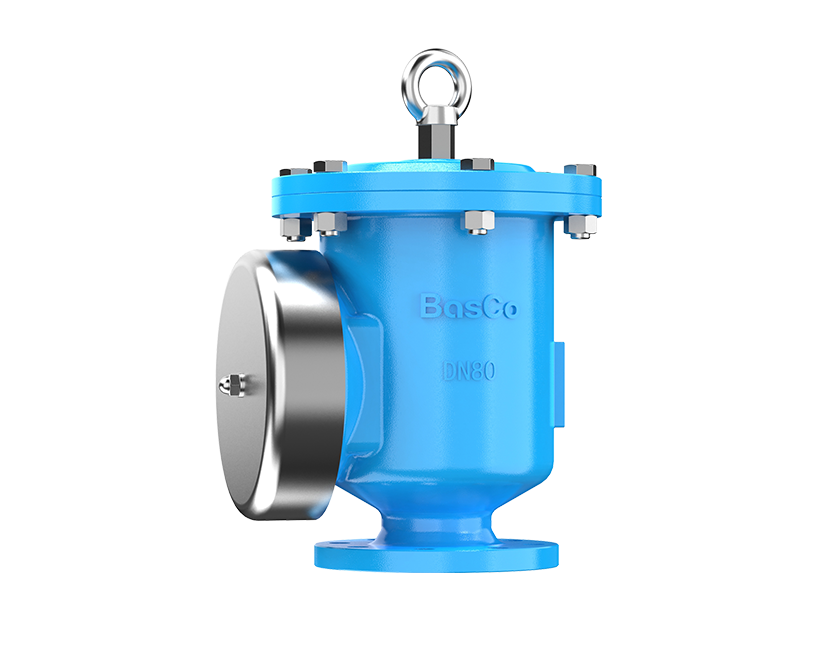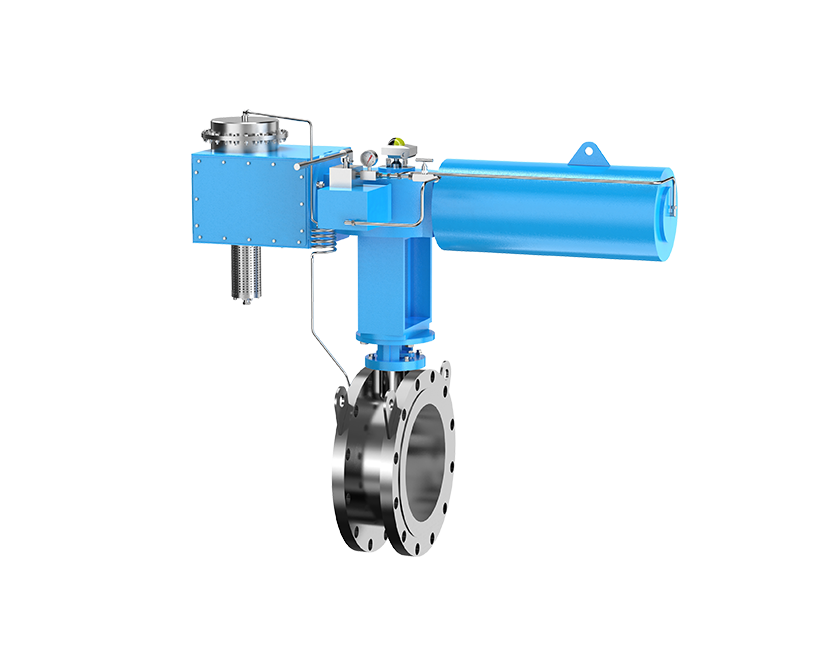


Over the years I have been responsible for the maintenance of fuel systems in construction machinery and vehicles, the fuel tank breather valve is definitely one of the most easily overlooked yet crucial core components. Many people only focus on the fuel tank capacity and fuel quality, but ignore this small valve. It is silently regulating the pressure inside and outside the fuel tank, isolating impurities, and safeguarding the stability and safety of the entire fuel system.
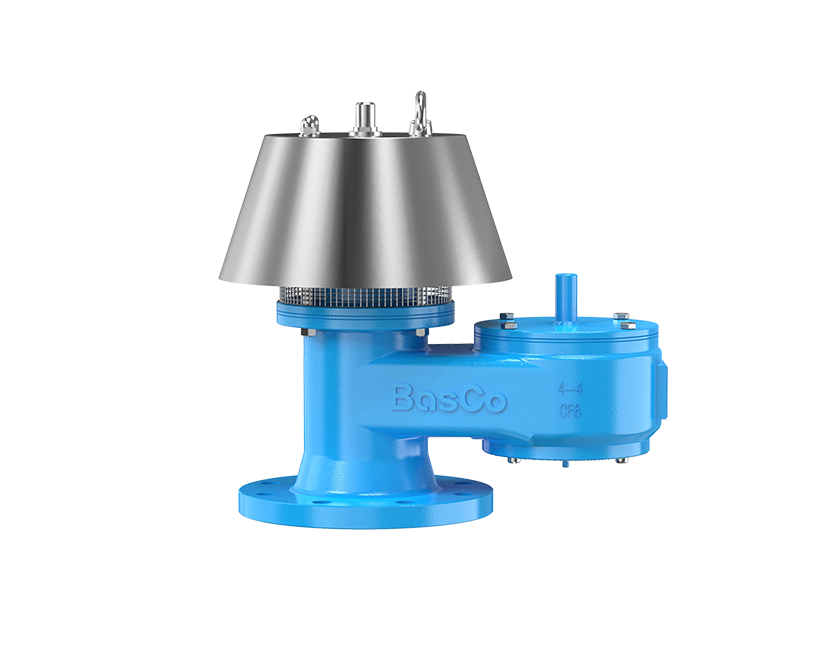
My first in-depth understanding of the fuel tank breather valve came from a tricky equipment failure. A few years ago, a loader that had been operating in a high-temperature environment frequently experienced fuel tank deformation and fuel leakage. We investigated for a long time but couldn't find the root cause. It wasn't until I disassembled the ventilation device on the top of the fuel tank that I discovered the fuel tank breather valve was clogged and malfunctioning. Originally, when the loader is working, the fuel expands as the temperature rises, and the generated gas should be discharged through the breather valve. However, the clogged valve prevented the gas from being released, causing the pressure inside the fuel tank to rise continuously, which eventually led to deformation and leakage. This failure made me fully realize that this inconspicuous "small part" is actually the "respiratory organ" of the fuel tank, indispensable.
Under normal circumstances, the working logic of the fuel tank breather valve is very clear, yet full of rigorous design. When fuel is consumed in the tank or the temperature drops, negative pressure is formed inside. At this time, the breather valve will automatically open to inhale external air, balance the pressure inside and outside the fuel tank, and avoid the failure of smooth fuel supply to the engine due to negative pressure. When the fuel expands or the temperature rises to generate positive pressure, the breather valve will open in a timely manner to discharge excess gas and prevent damage to the fuel tank due to pressure. More importantly, high-quality breather valves are also equipped with filtering and dust-proof structures, which can block dust, moisture and other impurities in the air from entering the fuel tank while ventilating, avoiding contamination of fuel by these impurities and subsequent wear of precision components such as the engine's fuel injectors and oil pumps.
In subsequent maintenance work, I formulated strict procedures for the inspection and replacement of fuel tank breather valves. Especially for equipment operating in harsh environments for a long time, such as mining machinery and desert operation vehicles, the risk of breather valve clogging is greatly increased. I regularly disassemble and inspect the valve core, spring and filter elements of the breather valve, timely clean the attached oil stains and dust, and replace aging and malfunctioning components immediately. Once, after I replaced a high-quality fuel tank breather valve for a pickup truck operating in the desert, the owner reported that not only did the fuel tank no longer bulge, but the engine's power output was also more stable. This is precisely because clean fuel and stable fuel tank pressure allowed the engine's fuel supply system to perform at its best.

How to Size a Pressure Vacuum Relief Valve According to API 2000
2026-08-18Flame Arrester Guide: Types, Applications, Selection, and Industrial Solutions
2026-08-04Common Causes of Dust Collector Explosions and How to Protect Against Them
2026-07-13BasCo conducts "CPR+AED Emergency Training to Strengthen Workplace Life Safety Defense"
2026-06-18Copyright © Jiangsu Bafang Safety Device Co., LTD. All Rights Reserved