

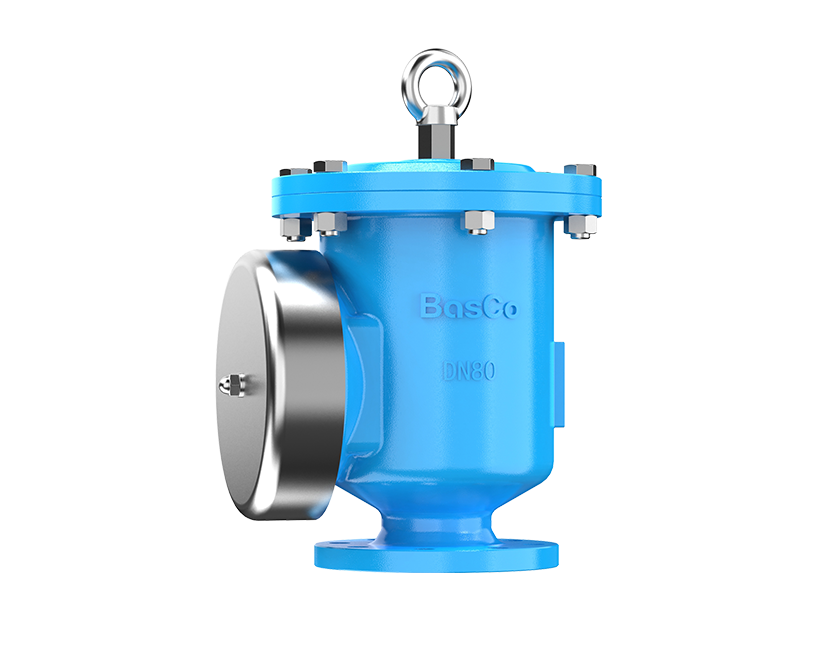

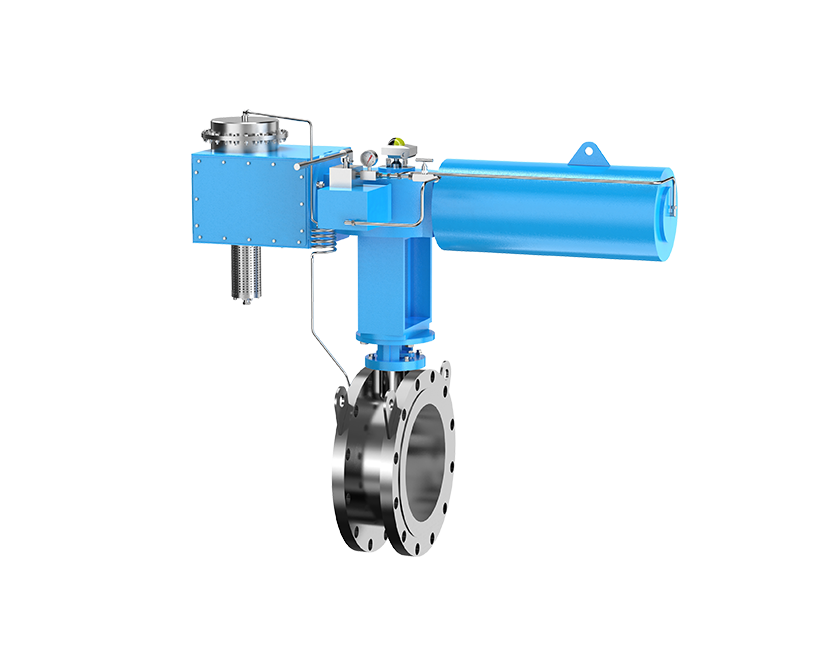










In industrial storage systems, pressure control is one of the most important conditions for safe tank operation. Tanks storing petroleum products, chemicals, solvents, fuels, or volatile liquids constantly experience pressure changes caused by temperature movement, vapor expansion, product filling, and liquid withdrawal. In my experience, most tank venting problems do not come from the absence of a valve. They come from selecting a valve without fully understanding the tank's real breathing demand.
From an engineering perspective, a breather valve is an essential safety device for atmospheric storage tanks because it automatically controls both pressure and vacuum conditions. A well-selected breather valve protects the tank structure, reduces unnecessary vapor loss, supports emission control, and helps the system meet venting requirements such as API 2000. The key trade-off is simple: the valve must stay sealed during normal stable conditions, but it must open reliably when the tank needs pressure relief or vacuum relief. My recommendation is to evaluate breather valves by set pressure, sealing performance, material compatibility, and verified flow capacity rather than choosing only by tank nozzle size.
Understanding how a breather valve works requires looking at its internal mechanism, operating sequence, testing method, and real field application. In the sections below, I will explain what the valve does, how it opens under pressure and vacuum conditions, how flow capacity is evaluated, and how engineers select the right model for different storage tank systems.
What Does a Breather Valve Do in a Storage Tank?
A breather valve protects a storage tank by automatically controlling internal pressure and vacuum levels. When pressure inside the tank rises because of vapor expansion or liquid filling, the valve releases vapor to prevent overpressure. When liquid is removed from the tank or vapor cools, the valve allows air to enter the tank to prevent excessive vacuum. This controlled breathing process keeps the tank operating within safe pressure limits.
The practical value of a breather valve is that it does not behave like an open vent. It remains closed during normal conditions and opens only when pressure or vacuum reaches the preset level. This helps reduce vapor loss while still protecting the tank from structural damage. For products with strong vapor behavior, this difference can have a major impact on operating safety, environmental control, and product conservation.
Breather valves help tanks breathe safely by relieving pressure and admitting air only when required.
What Is a Breather Valve?
A breather valve is a mechanical pressure-vacuum relief device installed on storage tanks to regulate airflow into and out of the tank. It maintains internal tank pressure within a safe operating range. Storage tanks naturally breathe during daily operation, and the breather valve gives that breathing process a controlled path.
When temperature increases or liquid enters the tank, vapor expands and internal pressure rises. When temperature drops or liquid is pumped out, the internal pressure may fall below atmospheric pressure. The breather valve responds automatically to these pressure changes. In real projects, I treat it as both a safety device and a vapor management device.
Definition
In engineering terms, a breather valve is a device that opens at preset pressure or vacuum levels to release vapor or admit air. Its purpose is to protect the tank from pressure-related structural stress. The valve is normally installed on the tank roof, vent line, or vapor management system depending on the tank design.
Purpose in Storage Tanks
The primary purpose of a breather valve is to prevent excessive pressure or vacuum inside storage tanks. It also helps reduce vapor emissions by opening only when pressure reaches predetermined limits. This makes it especially useful for tanks storing petroleum products, solvents, fuels, and other volatile liquids.
Difference From a Normal Vent
Unlike a simple open vent pipe, a breather valve remains sealed during normal operation. It only opens when pressure or vacuum conditions exceed the configured set points. This controlled response helps protect the tank while limiting continuous vapor release. For many facilities, that is the difference between basic venting and engineered pressure control.

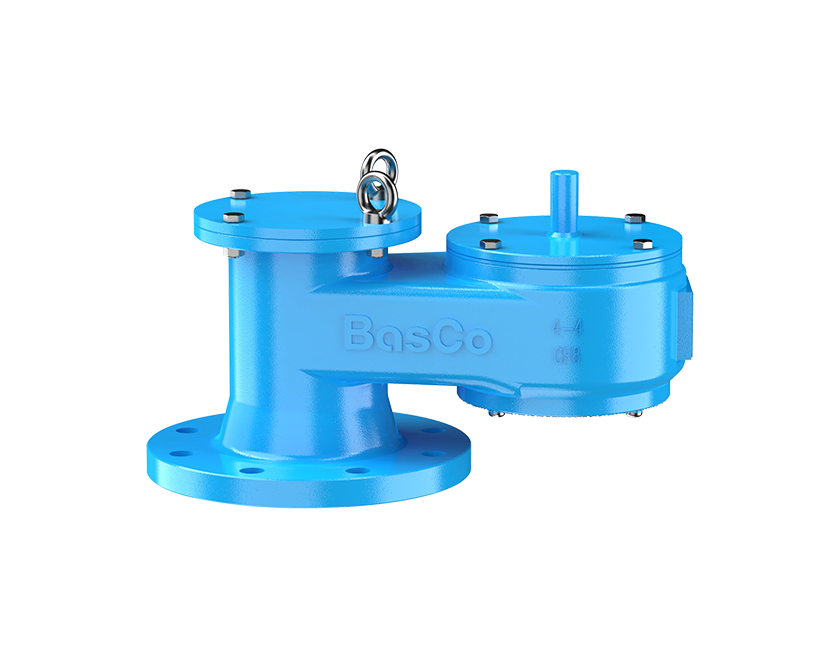
How Does a Breather Valve Work?
Breather valves operate through pressure and vacuum relief mechanisms that respond to changes inside the tank. Inside the valve are movable pallets, seats, and loading elements that determine when the valve opens. When the pressure difference reaches the set value, the pallet lifts from the seat and creates a flow path. Once the tank pressure returns to a safe range, the pallet closes again.
This opening and closing behavior looks simple, but it must be precise. If the valve opens too early, the tank may lose vapor unnecessarily. If it opens too late, the tank may experience excessive pressure or vacuum stress. That is why set pressure accuracy, seat tightness, and flow capacity all matter in valve selection.
Pressure Relief Mechanism
When liquid enters the tank or vapor expands due to heating, internal pressure increases. Once the pressure exceeds the valve's set pressure, the pressure pallet lifts and allows vapor to escape from the tank. The valve continues relieving pressure until the tank returns to a safer operating range. After pressure decreases, the pallet closes again to prevent unnecessary vapor loss.
Vacuum Relief Mechanism
When liquid is pumped out of the tank or vapor cools, internal pressure may drop below atmospheric pressure. The vacuum pallet opens and allows air or blanketing gas to enter the tank. This prevents the tank from collapsing due to excessive vacuum. In thin-wall atmospheric tanks, reliable vacuum relief is just as important as pressure relief.
Set Pressure Operation
Breather valves are designed with calibrated pressure and vacuum settings. These settings ensure the valve activates only when required, maintaining safe tank venting while minimizing emissions. In my experience, set pressure should never be treated as a small detail. It must be matched to the tank design pressure, expected operating range, stored medium, and any connected vapor control equipment.
How Should Breather Valve Performance and Flow Capacity Be Tested?
A breather valve should not be judged only by its appearance or connection size. Its real value depends on whether it opens at the correct set pressure and provides enough flow capacity under actual operating demand. In storage tank projects, I pay close attention to performance testing because it confirms whether the valve can respond reliably during filling, discharge, and temperature-related breathing. A valve that looks correct but cannot pass flow verification may still leave the tank exposed to pressure risk.
The breather valve performance and flow capacity test video below is useful because it shows the valve as a functional safety device rather than a static product. It helps buyers, engineers, and maintenance teams understand that opening behavior, flow path stability, and venting capacity should be verified before the valve is trusted in service. This is especially important when the tank handles volatile liquids, high transfer rates, or strict emission control requirements.
Breather valve performance and flow capacity testing helps verify opening response, relief behavior, and practical venting capability.
During a performance review, I usually focus on three practical questions: whether the valve begins opening at the specified set pressure, whether the pallet movement is smooth and stable, and whether the valve can deliver the required flow capacity without excessive pressure buildup. These details matter because tank breathing demand changes quickly during product transfer. A valve with poor response can create pressure spikes even when it is technically installed in the correct location.
| Test Focus | What It Confirms | Why It Matters in Real Operation |
|---|---|---|
| Set pressure response | The valve opens at the specified pressure or vacuum setting. | Protects the tank before pressure or vacuum reaches unsafe levels. |
| Seat tightness | The valve remains sealed before the set point is reached. | Reduces unnecessary vapor loss and helps control emissions. |
| Flow capacity | The valve provides enough venting volume under required conditions. | Prevents pressure accumulation during filling, withdrawal, or thermal breathing. |
| Stable operation | The pallet opens and closes smoothly without abnormal vibration. | Improves reliability and reduces long-term wear on internal components. |
What Are the Main Components of a Breather Valve?
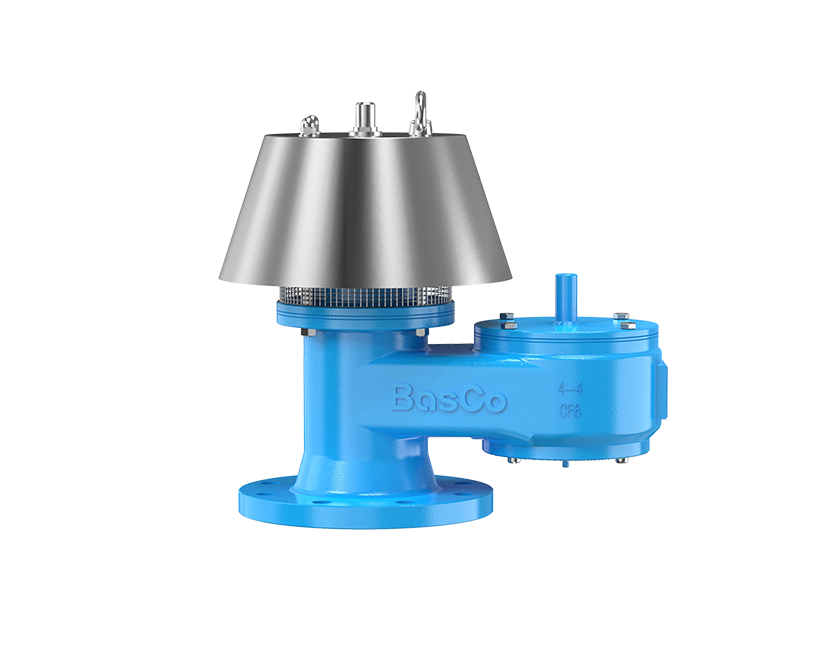
Although designs vary between manufacturers, most breather valves contain several key internal components that control pressure and vacuum relief. The most important elements are the pressure pallet and vacuum pallet. These movable components respond directly to pressure changes inside the tank. Their movement determines whether vapor exits the tank or air enters the tank.
The pressure pallet lifts to release excess vapor when internal pressure rises above the set limit. The vacuum pallet opens when negative pressure develops, allowing atmospheric air or controlled blanketing gas to enter the tank. Other structural components include the valve body, valve seat, cover, weather hood, guide stem, sealing surface, and weight or spring loading mechanism. Each part affects how accurately and reliably the valve performs.
Some breather valves also incorporate flame arrester elements to prevent flame propagation into the tank. In applications involving flammable vapor, this combination can be valuable, but it must be applied carefully. A flame arrester adds flow resistance, so the total venting capacity must be checked after the complete assembly is considered. This is one reason performance testing and capacity verification are so important.
Which Types of Breather Valves Are Used in Storage Tanks?
Different industrial storage systems require different breather valve designs depending on pressure limits, tank size, stored medium, vapor control requirements, and safety philosophy. In my experience, the most common mistake is assuming one valve style fits every tank. A small solvent tank, a large petroleum storage tank, and a fuel terminal tank may all need pressure-vacuum control, but the selection logic can be very different.
Pressure Vacuum Relief Valve
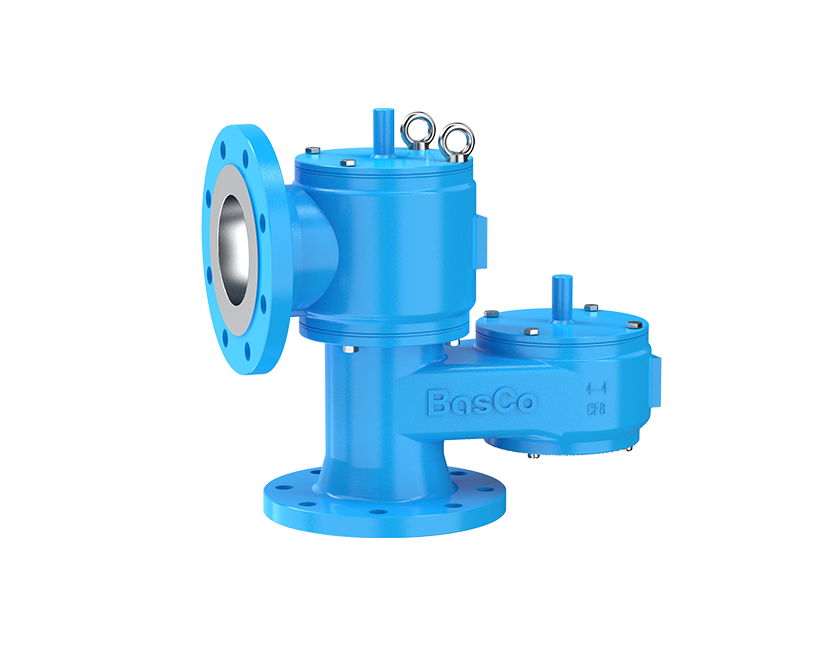
The most widely used type is the pressure vacuum relief valve, commonly known as a PVRV. This valve provides both pressure relief and vacuum protection in a single unit. It is typically installed on petroleum tanks, chemical tanks, fuel tanks, and solvent storage systems. For many atmospheric tanks, this is the primary breathing device.
Conservation Breather Valve
Conservation breather valves are designed to minimize vapor losses by maintaining a tight seal until pressure reaches the set point. These valves are commonly used in fuel storage, solvent storage, and other applications where vapor conservation matters. They help reduce product loss while still protecting the tank from unsafe pressure conditions.
Emergency Vent Valve
Emergency vent valves provide additional protection during abnormal events such as fire exposure, rapid vapor expansion, or blocked venting conditions. They are typically installed on larger storage tanks as secondary safety devices. A normal breather valve is not intended to handle every emergency scenario. Emergency venting must be sized separately based on credible worst-case conditions.
| Valve Type | Primary Function | Typical Application | Selection Focus |
|---|---|---|---|
| Pressure Vacuum Relief Valve | Pressure and vacuum control. | Petroleum tanks, chemical tanks, fuel tanks. | Set pressure, vacuum setting, flow capacity, and material compatibility. |
| Conservation Breather Valve | Vapor loss reduction and controlled breathing. | Fuel storage and volatile liquid storage. | Seat tightness, emission control, and stable opening performance. |
| Emergency Vent Valve | Emergency pressure release. | Large tanks and fire-risk storage areas. | Emergency relief capacity and safe discharge design. |
Where Are Breather Valves Used?
Breather valves are used across many industrial sectors where liquids are stored in atmospheric or low-pressure tanks. Petroleum storage terminals rely on breather valves to control vapor pressure inside crude oil or refined product tanks. Daily temperature changes can cause significant vapor expansion, and controlled venting is essential for safe operation. Without proper breathing capacity, tanks may experience pressure stress during routine operating cycles.
Chemical processing plants also install breather valves on tanks storing solvents and volatile chemicals. These valves protect tanks from vacuum conditions during liquid transfer operations while also reducing uncontrolled vapor release. Fuel storage systems, including gasoline, diesel, ethanol, and blending tanks, require breather valves to maintain stable pressure and reduce evaporative losses. Industrial process tanks used in manufacturing facilities also rely on tank venting systems to support safe and predictable operation.
What Is the Difference Between a Breather Valve and a Pressure Relief Valve?
Breather valves are sometimes confused with pressure relief valves, but their applications are different. A breather valve is mainly used on atmospheric or low-pressure storage tanks where both pressure relief and vacuum relief are required. A pressure relief valve is typically used on pressurized equipment where overpressure protection is the main function. The operating pressure range, design code, and safety objective are not the same.
In practical terms, a breather valve manages tank breathing during normal storage and transfer conditions. A pressure relief valve protects a pressurized system from exceeding its allowable pressure. Confusing the two can lead to incorrect selection, poor protection, or unnecessary compliance problems. I always recommend confirming the system type before discussing valve size or connection standard.
| Feature | Breather Valve | Pressure Relief Valve |
|---|---|---|
| System Type | Atmospheric or low-pressure storage tanks. | Pressurized vessels, boilers, reactors, and process systems. |
| Main Function | Pressure and vacuum control. | Overpressure protection. |
| Operating Pressure | Low pressure. | Medium to high pressure. |
| Typical Standard | API 2000 for tank venting applications. | Often selected under pressure vessel or process safety requirements. |
| Normal Behavior | Opens during breathing demand caused by filling, withdrawal, or temperature change. | Opens during overpressure events above the set pressure. |
How Do Engineers Size and Select a Breather Valve?
Selecting the correct breather valve requires understanding the tank's actual operating conditions and vapor generation rates. Engineers usually begin by evaluating tank volume, maximum liquid filling rate, and maximum withdrawal rate. These factors determine the working breathing demand of the tank. If the valve cannot handle this demand, pressure or vacuum can build up faster than the valve can relieve it.
The next step is calculating thermal breathing caused by temperature fluctuations. As vapor expands or contracts with daily or seasonal temperature changes, additional airflow capacity must be provided. The stored medium also matters because vapor pressure, flash point, corrosiveness, and emission sensitivity influence valve design. For volatile products, I pay special attention to sealing performance and verified capacity.
The pressure and vacuum set points of the valve must then be matched with the tank design pressure. These settings ensure the valve opens only when pressure limits are exceeded. Finally, the selected valve must comply with engineering standards and provide sufficient flow capacity to handle both pressure release and vacuum relief conditions. A good selection process combines calculation, product data, and practical testing evidence.
What Is the API 2000 Standard for Tank Venting?
API 2000 is widely used as a reference standard for designing venting systems on atmospheric and low-pressure storage tanks. It provides engineering methods for calculating required venting capacity based on tank breathing conditions. These include thermal breathing caused by temperature changes and working breathing caused by liquid movement. Engineers use these calculations to determine how much airflow capacity the tank needs.
Following API 2000 guidance helps ensure that tanks remain protected from excessive pressure and vacuum conditions during normal operation. However, I do not treat the calculation as the end of the engineering process. The selected breather valve still needs appropriate set pressure, material compatibility, installation layout, and flow capacity verification. In real facilities, the best result comes from combining standard-based sizing with practical operating knowledge.
How Are Breather Valves Applied in Real Industrial Projects?
In crude oil storage terminals, breather valves regulate vapor pressure in large atmospheric tanks exposed to daily temperature fluctuations. Without controlled venting, vapor expansion could create dangerous overpressure conditions. In these applications, I usually pay attention to large flow demand, outdoor exposure, maintenance access, and compatibility with connected vapor control equipment. The valve must perform reliably even when the operating environment is dusty, humid, or corrosive.
Ethanol storage facilities also require breather valves because ethanol vapor can be volatile and flammable. Proper venting helps maintain safe tank pressure while reducing vapor loss. Chemical processing plants frequently use breather valves on solvent storage tanks, where vacuum protection during transfer operations is critical. In these systems, the valve must protect the tank while also supporting emission control and product quality requirements.
Fuel storage systems create another common application. Gasoline, diesel, and blending tanks may operate through frequent filling and withdrawal cycles. Every cycle changes the vapor space volume inside the tank. A correctly selected breather valve allows the tank to breathe without leaving it continuously open to the atmosphere.
What Should Buyers Check Before Purchasing a Breather Valve?
From a buyer's perspective, the most important step is to provide accurate operating information before requesting a valve quote. Tank size, design pressure, design vacuum, maximum filling rate, maximum withdrawal rate, stored liquid, vapor characteristics, and required materials all affect the final selection. When this information is missing, the valve is often selected by flange size alone. That approach may be convenient, but it is not reliable engineering.
I usually advise buyers to check three things before purchase: set pressure range, certified or tested flow capacity, and material compatibility. These are more important than appearance or weight alone. If the valve will be used in a corrosive, flammable, or emission-sensitive service, the buyer should also confirm sealing structure, gasket material, flame arrester requirements, and maintenance access. A breather valve is a long-term safety device, not a simple pipe fitting.
Why Do Breather Valves Matter for Long-Term Tank Safety?
From my experience working with industrial tank systems, breather valves are among the most important safety devices used to protect atmospheric storage tanks. By automatically regulating pressure and vacuum conditions, they help tanks operate within safe limits while minimizing vapor loss. Their performance affects structural safety, environmental control, product conservation, and operating stability. A properly selected valve quietly protects the tank every day.
Understanding the working principle, design structure, testing method, and selection criteria of breather valves is essential for engineers responsible for tank safety and vapor management. When properly sized, tested, installed, and maintained according to recognized standards such as API 2000, breather valves play a critical role in safe and efficient tank operation. At BASCO, we look at breather valves as engineered pressure-control devices, and I recommend evaluating them by real operating demand rather than by connection size alone.
FAQ
What does a breather valve do?
A breather valve regulates pressure inside a storage tank by releasing vapor when internal pressure rises and allowing air to enter when vacuum forms. This protects the tank from overpressure and vacuum damage. It also helps reduce unnecessary vapor loss because the valve stays closed during normal stable conditions.
Where are breather valves used?
Breather valves are commonly used in petroleum storage tanks, chemical tanks, fuel tanks, solvent tanks, and other industrial storage systems. They are especially important where stored liquids create vapor or where tank pressure changes during filling, withdrawal, or temperature fluctuation. Their role is to keep the tank breathing safely under changing operating conditions.
Why do tanks need breather valves?
Storage tanks need breather valves to prevent excessive pressure or vacuum conditions that could damage the tank structure. A tank without proper venting may deform, collapse, leak vapor, or experience unsafe operating conditions. The breather valve provides controlled pressure relief and vacuum relief so the tank can operate safely over time.
Why is flow capacity testing important?
Flow capacity testing helps confirm whether the breather valve can provide enough venting volume under real operating demand. This matters during high-rate filling, product withdrawal, and thermal breathing. A valve may have the right connection size, but if its flow capacity is insufficient, the tank can still experience unsafe pressure or vacuum conditions.